 iOS App
  Android App
 Piply Blog
Study tips, product updates, and practical AI learning strategies from the Piply team.
No articles match. Clear the search or choose another topic.
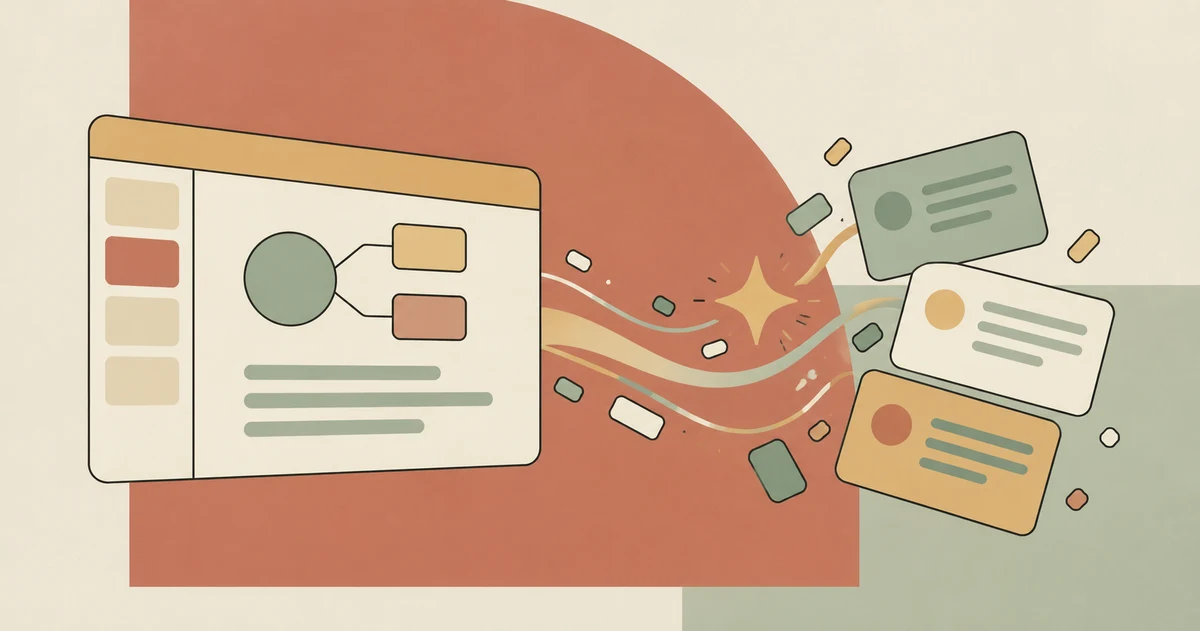
How to Study Lecture Slides With AI
Turn lecture slides into a study guide, flashcards, and practice questions with AI. Follow a practical workflow and check every answer against your course material.
Read article
AI for Certification Exam Preparation: A Practical Guide
Use AI for certification exam preparation with official objectives, checked practice questions, and a realistic study routine that fits around work.
The Pretesting Effect: Try Questions Before Learning the Answers
Questions before a reading can help with learning some answers when followed by accurate instruction. Explore the evidence, limits and a practical way to try it.
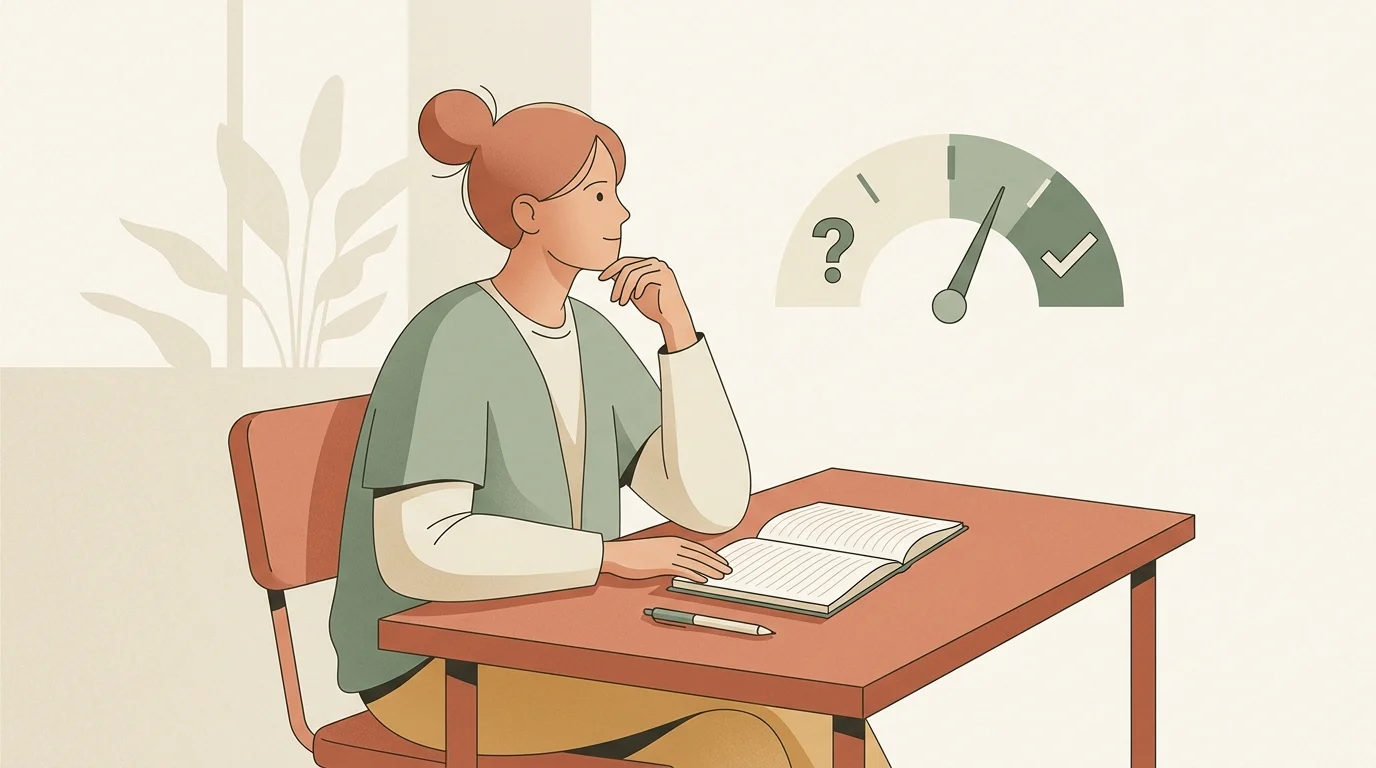
Judgments of Learning: Predict, Test and Check What You Remember
A judgment of learning predicts later recall. Use delayed self-checks to compare confidence with performance, while keeping the task and timing clear.
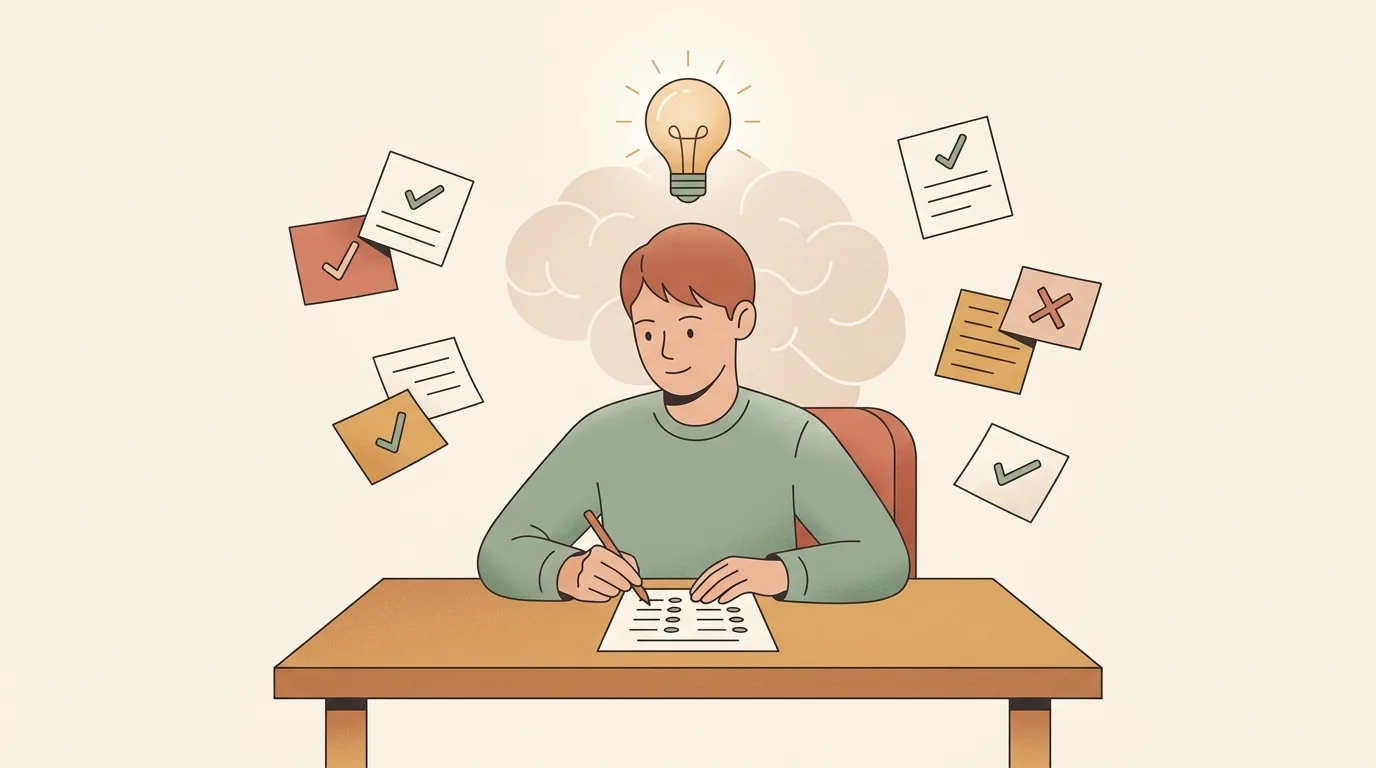
The Hypercorrection Effect: Check Answers You Were Sure About
Research on general-knowledge questions finds that confidently wrong answers can be more likely to be corrected after feedback. Learn what that means for practice.
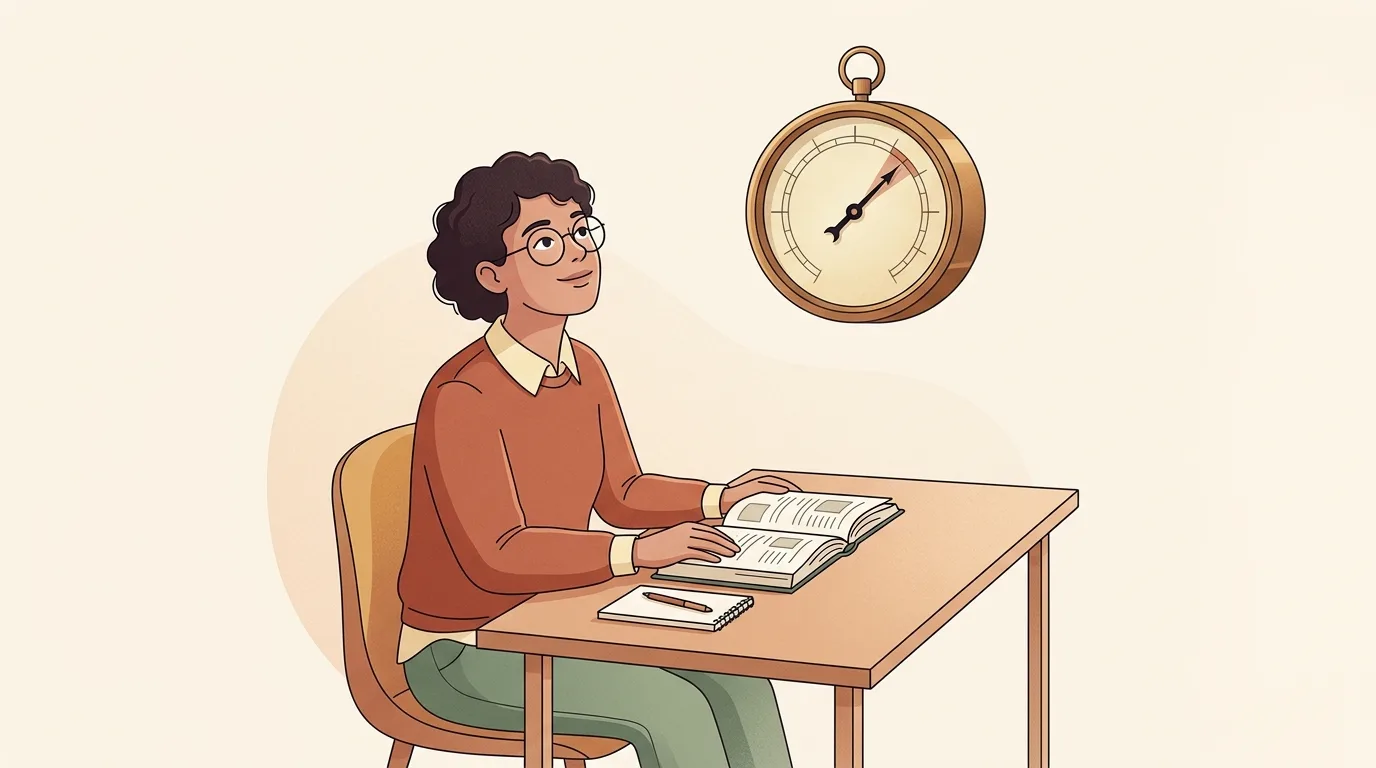
Learning Calibration: Compare Confidence With Checked Results
Compare predicted and observed performance across repeated self-checks. Learn how score calibration differs from ranking which topics you understand best.
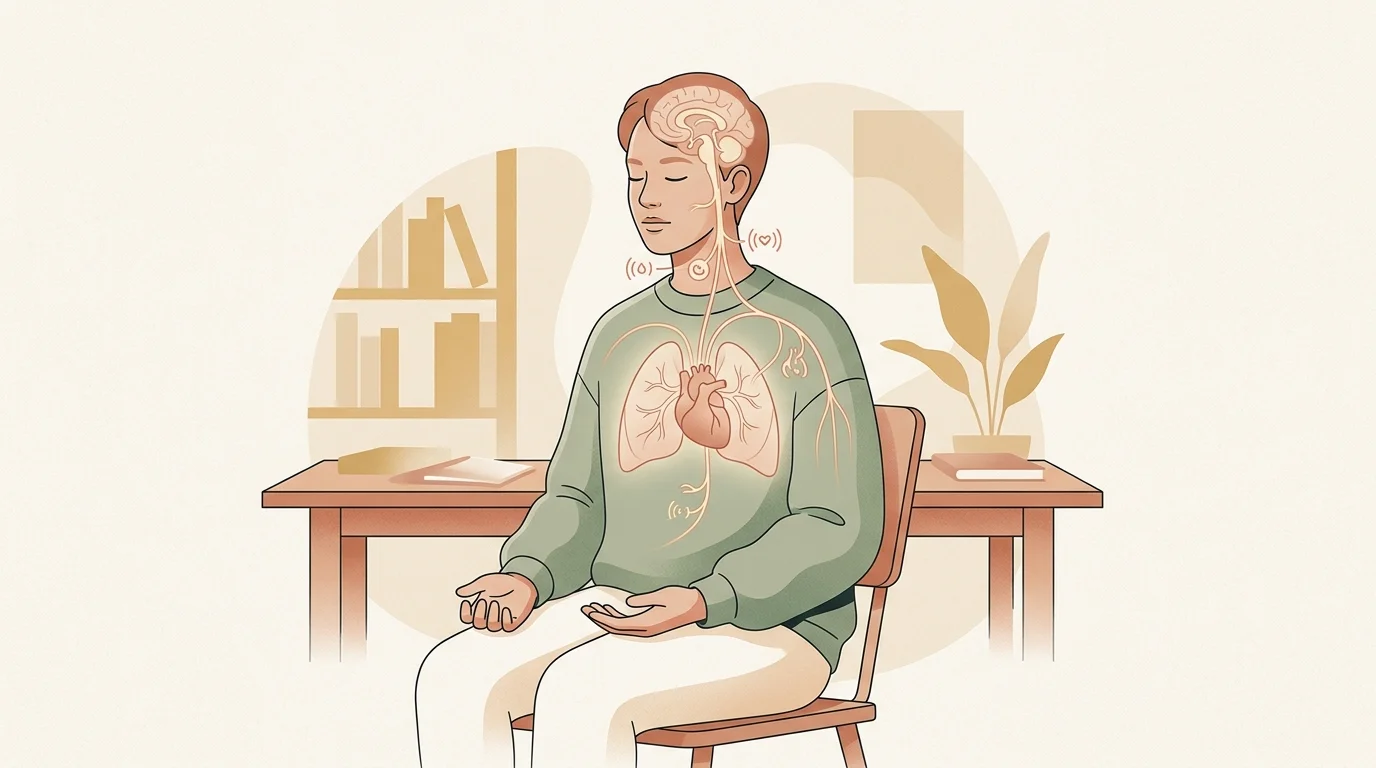
Breathwork Before an Exam: A 90-Second Technique Backed by Vagal Nerve Studies
Your heart is pounding. Your palms are slick. The exam paper sits face-down on the desk in front of you and your brain feels like it's been replaced with static. You studied. You know this stuff. But right now, your body is screaming danger signals so loud that nothing else gets through. Here's what most students don't know: you can flip that switch in about 90 seconds.
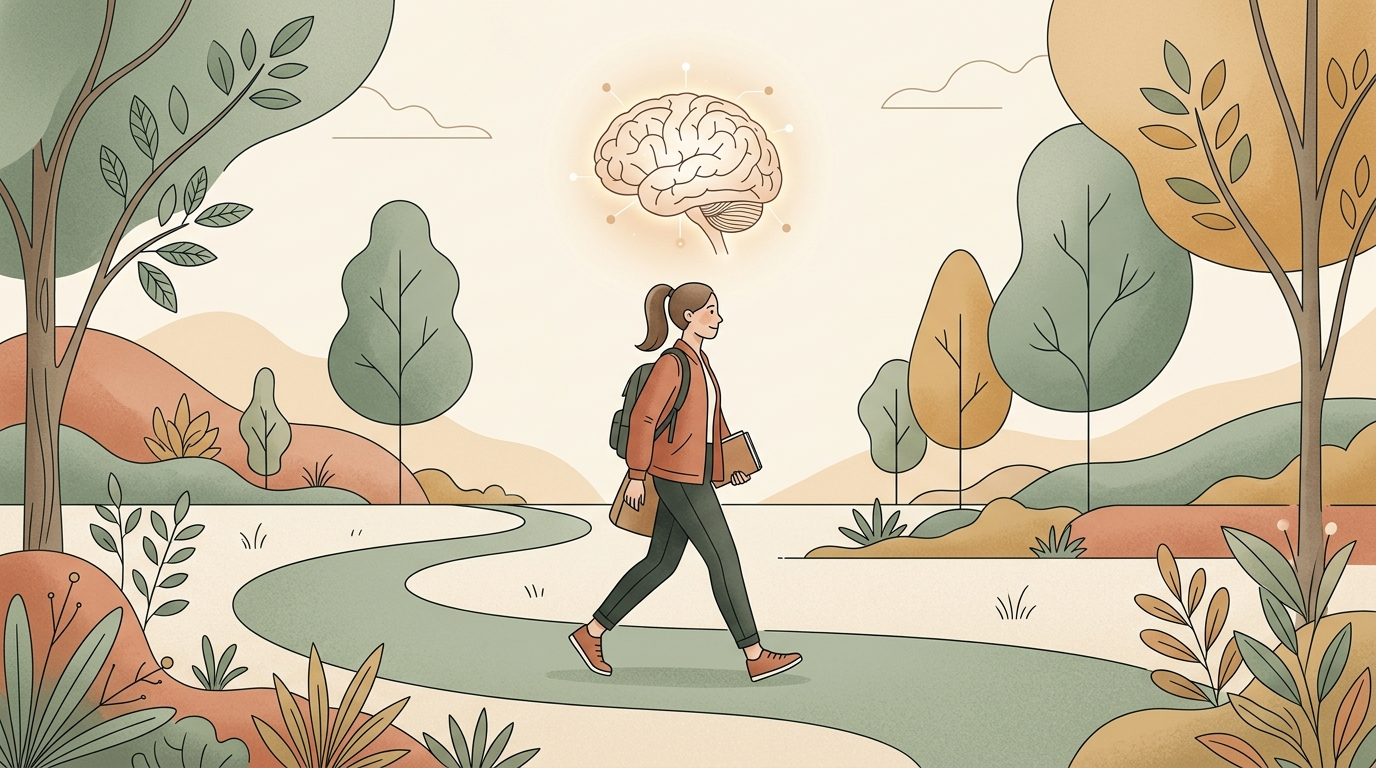
Exercise and Memory: Why 20 Minutes of Walking Before an Exam Changes Your Score
A 20-minute walk before your exam isn't a distraction. It's one of the most direct routes to a better grade, and the evidence behind it has nothing to do with clearing your head.
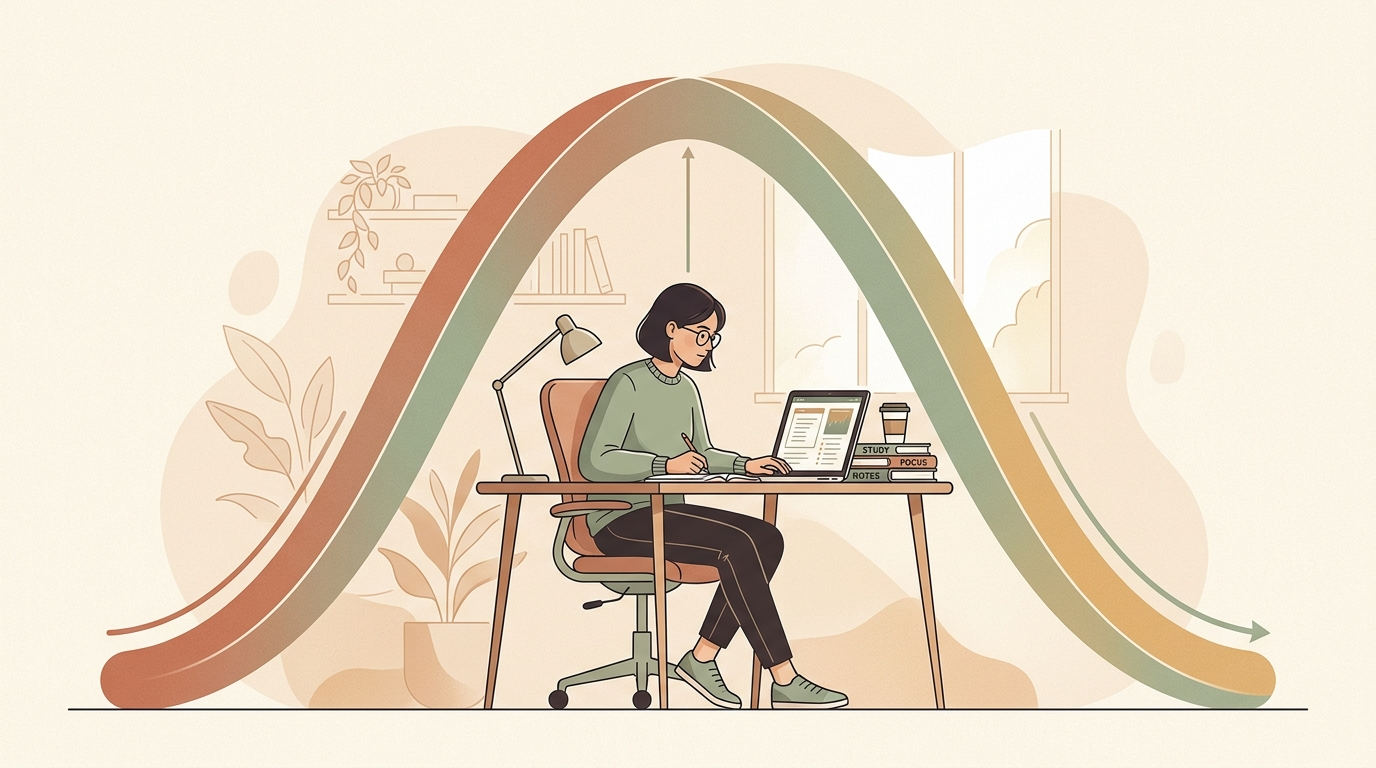
Yerkes-Dodson Law: Why Moderate Stress Makes You Smarter and Panic Makes You Stupider
Most study advice treats stress like poison. But the research tells a stranger story: the right amount of anxiety sharpens your recall. The Yerkes-Dodson law explains why.
Habit Stacking for Students: Use a Routine as a Study Cue
Try linking a manageable study task to an existing routine, check what you learn, and adjust the cue when your schedule changes.
Implementation Intentions: The 2-Sentence Trick That Doubles Study Follow-Through
You know what to study. You know when to study. And yet, somehow, 4pm arrives and you're still scrolling. The problem isn't motivation. It's the gap between intention and action, and there's a surprisingly simple fix that research has been quietly proving for nearly three decades.
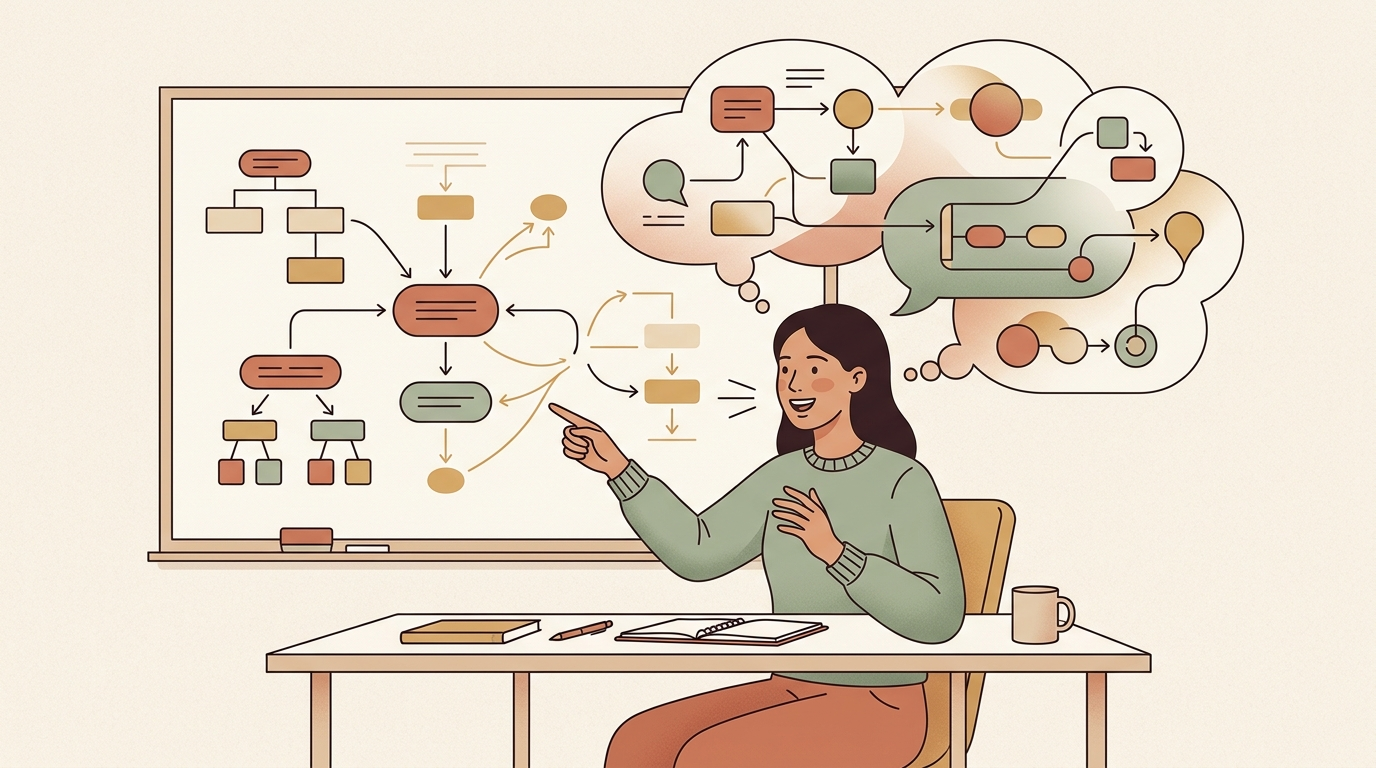
Self-Explanation Effect: Why Teaching Yourself Out Loud Doubles What You Learn
Most students think they understand a concept until they try to explain it. That moment when you open your mouth and nothing comes out? That's not failure. That's where learning actually starts.
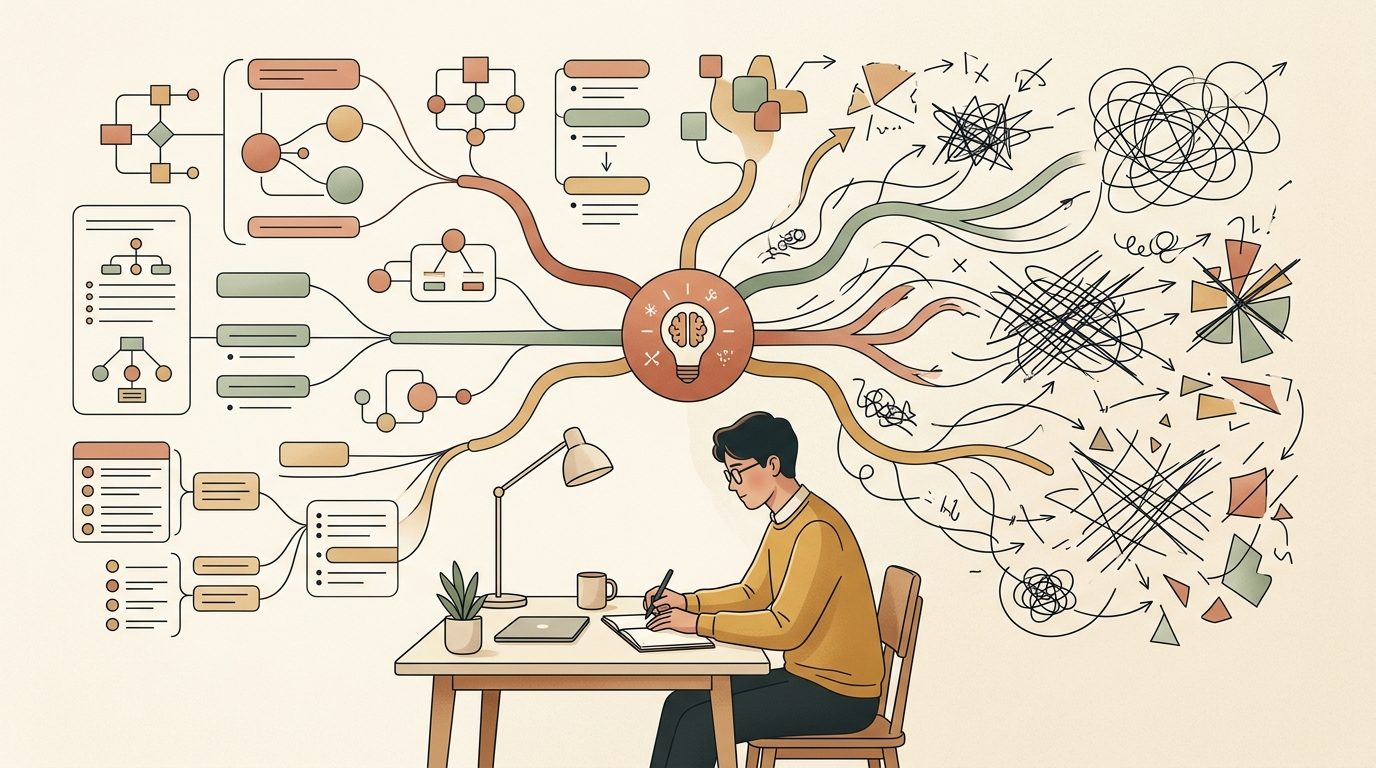
Mind maps, concept maps or outlines: choose a format for the task
Compare maps and text-based notes by how well they help you explain and use the material, without assigning yourself a fixed learning style.
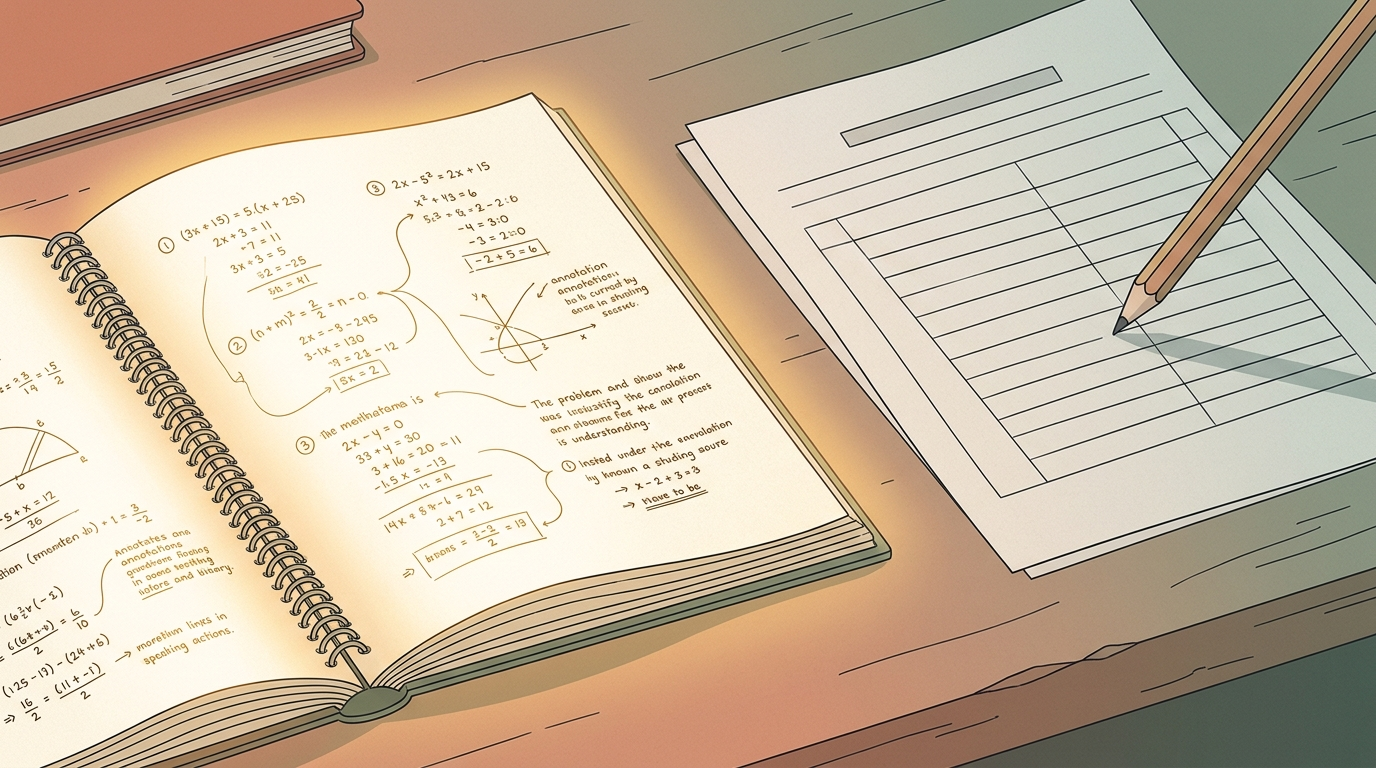
Worked examples and problem solving: choosing the next practice task
Use a checked solution to study an unfamiliar procedure, then choose guided or independent practice based on what you can do.
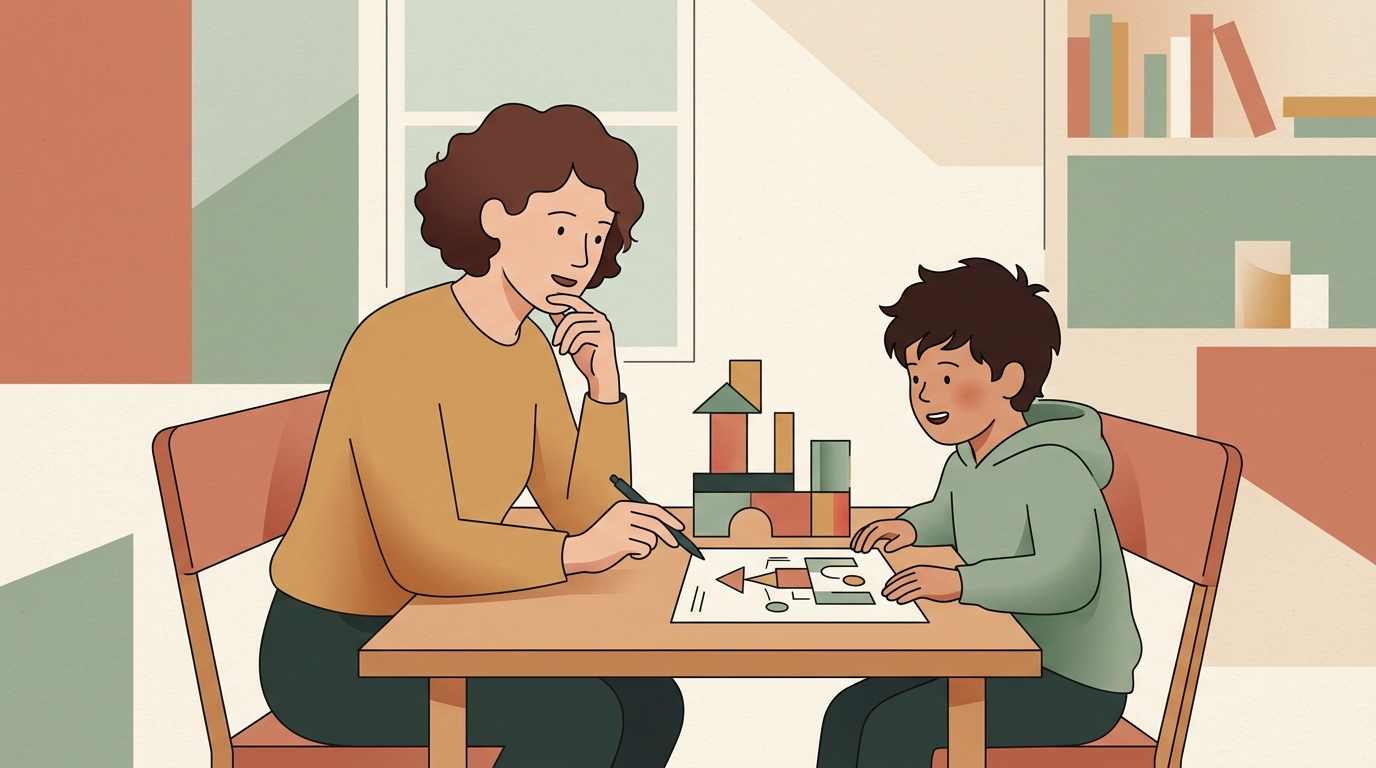
The Feynman technique: explain, check and revise
Use the Feynman technique to explain an idea in your own words, check it against your source and revise unclear or inaccurate parts.
Best Free Study Schedule Makers in 2026 (Honest Comparison)
Compare free study schedule makers and exam timetable generators. See when a spreadsheet is enough, and when Piply's free study plan tool is the better pick.
Free Essay Outline Generator: How to Structure Any Essay (With Examples)
A free essay outline generator turns a thesis and arguments into a clean structure before you draft. See examples for argumentative and research essays, plus a free Piply tool.
Notes to Flashcards: Turn Study Notes Into Cards Without the Busywork
Stop rewriting notes into cards by hand. Paste study notes into a free flashcard maker, generate a deck, and export Anki-ready CSV or study in Piply.
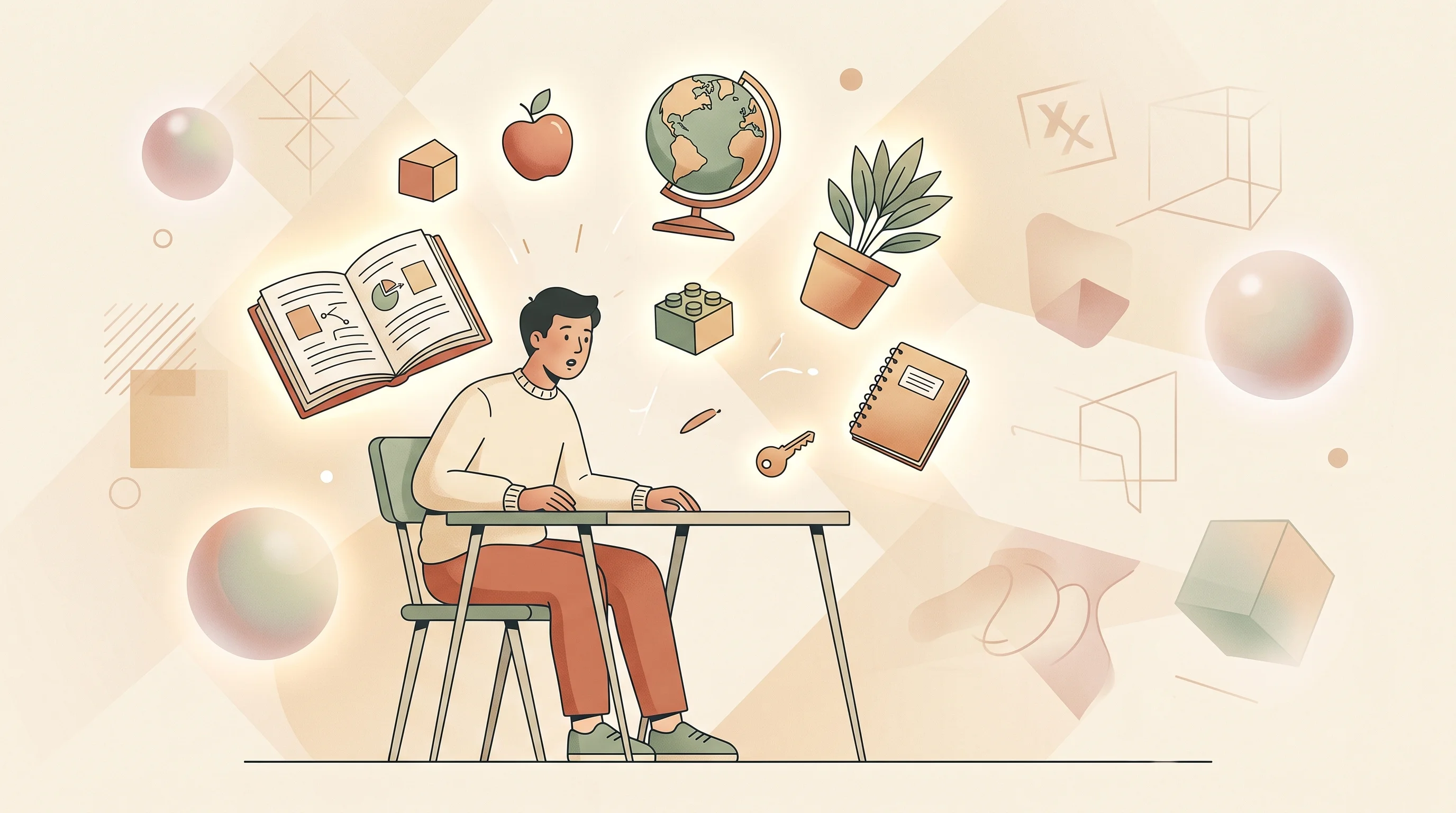
The Concreteness Effect: Why Specific Examples Always Beat Abstract Definitions
An abstract definition feels slippery. But when you tie a concept to a concrete image, understanding clicks. The concreteness effect has been documented for decades, and the impact on memory is substantial.
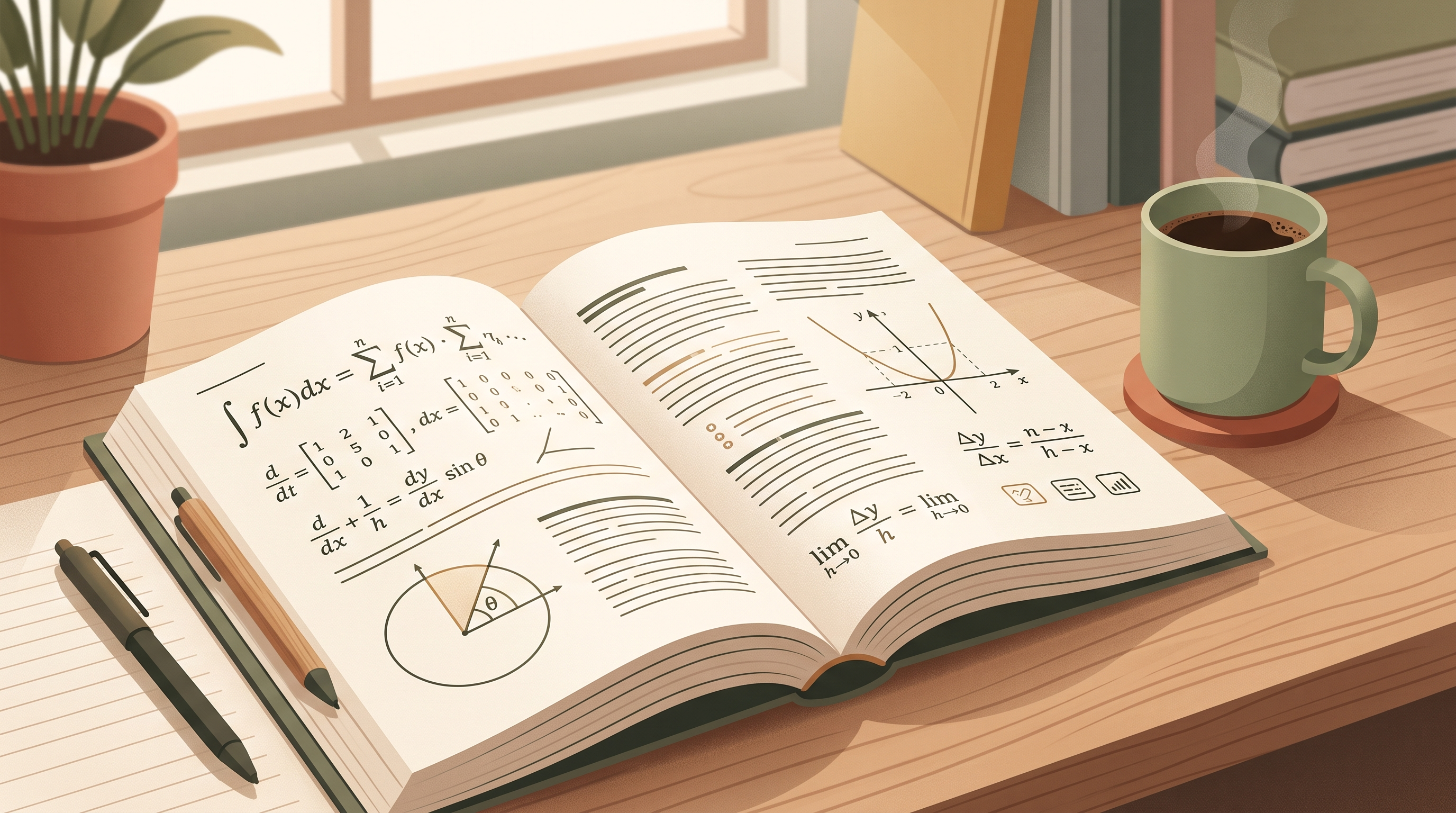
Automaticity: Why Reading Fluency Predicts Calculus Success Long Before You Touch Algebra
Your brain can only hold so much at once. When reading is automatic, your working memory is free to actually think about what you're reading instead of decoding words. That
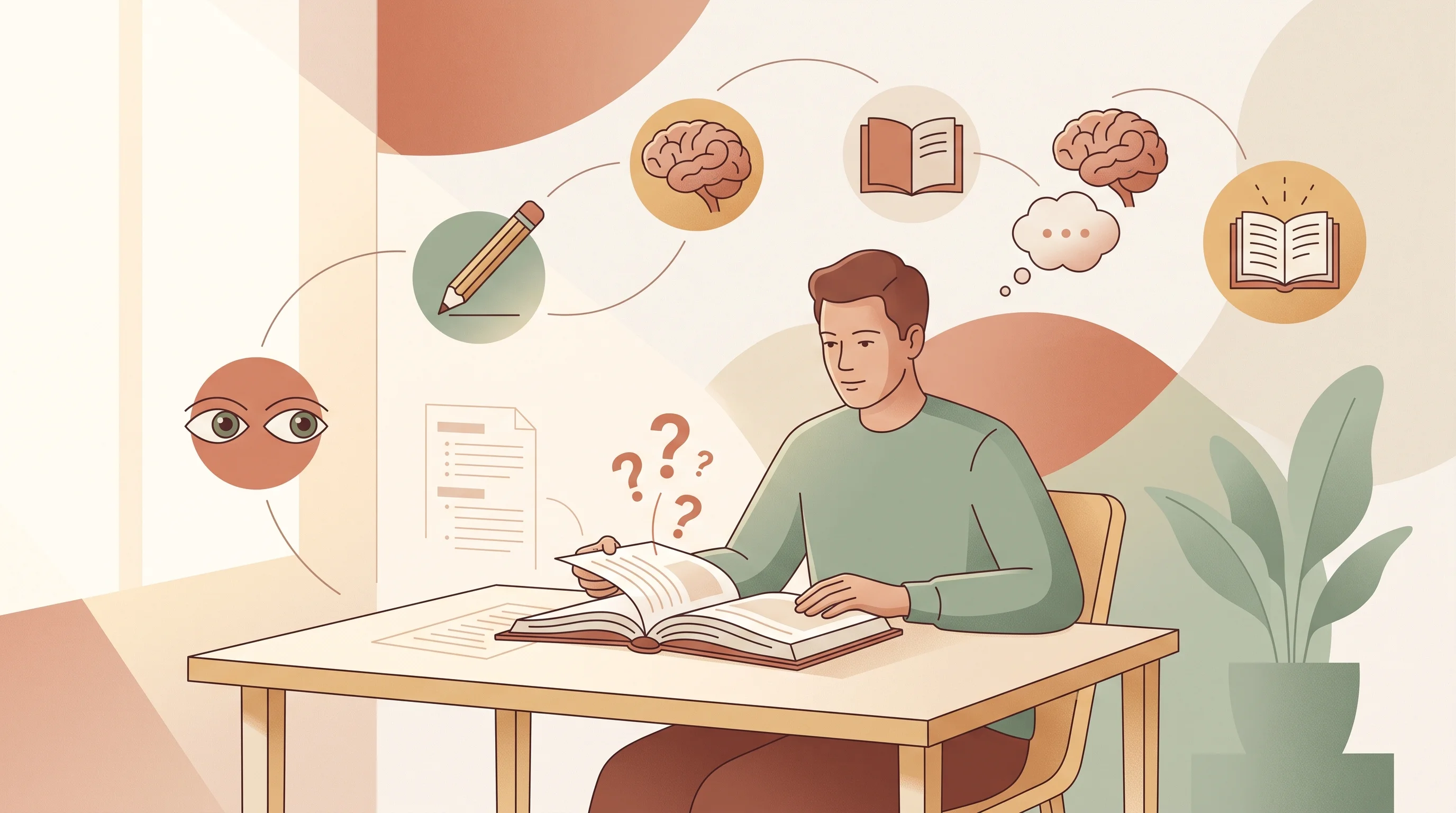
PQ4R: A Pre-Reading Method From 1976 That Outperforms Most Modern Study Guides
Preview. Question. Read. Reflect. Recite. Review. The PQ4R method has been around since 1976. Here's why it still beats most modern study systems.
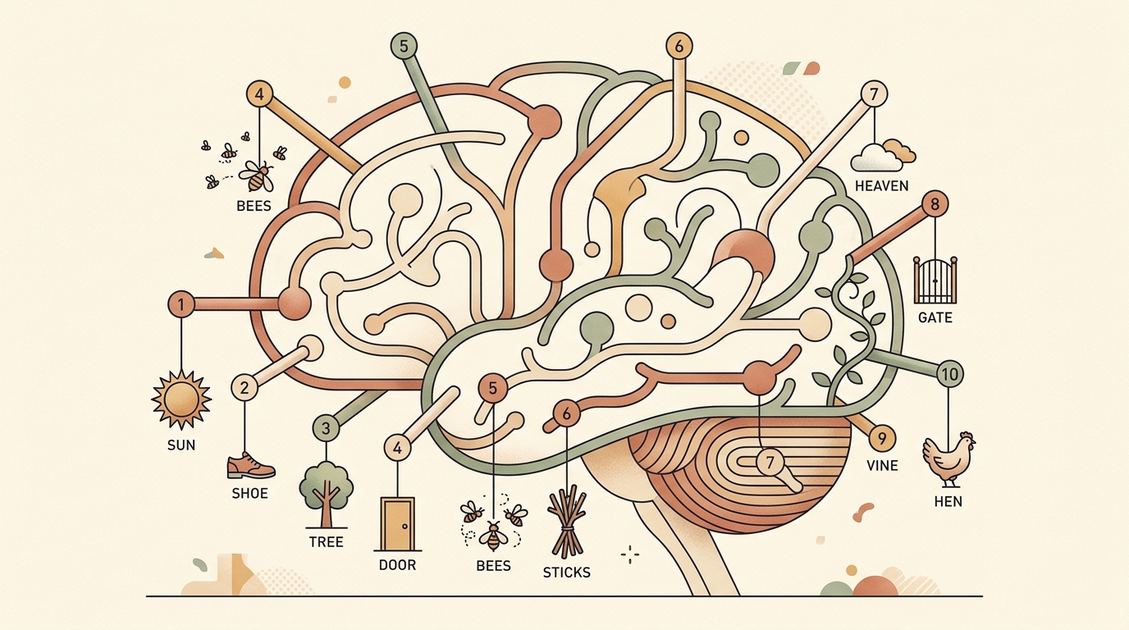
The Peg Word System: A 2,000-Year-Old Memory Trick for Modern Exams
Phone numbers break apart in your working memory the second you look away. But throw in a rhyme and suddenly you can remember a dozen unrelated items in order. That's the peg word system at work, and it's older than your university.
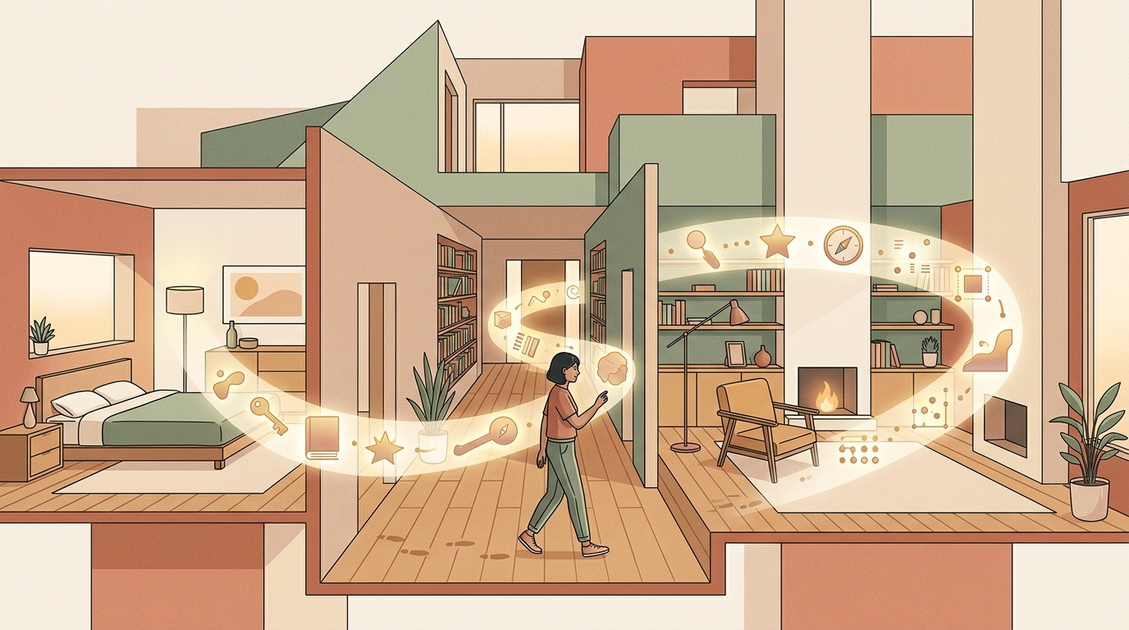
Method of Loci: Why Walking Through Your House Beats Re-Reading the Same Notes
The method of loci turns your mental map of familiar places into a memory palace. You place what you need to recall along a path you know by heart, then walk it in your head to retrieve it.
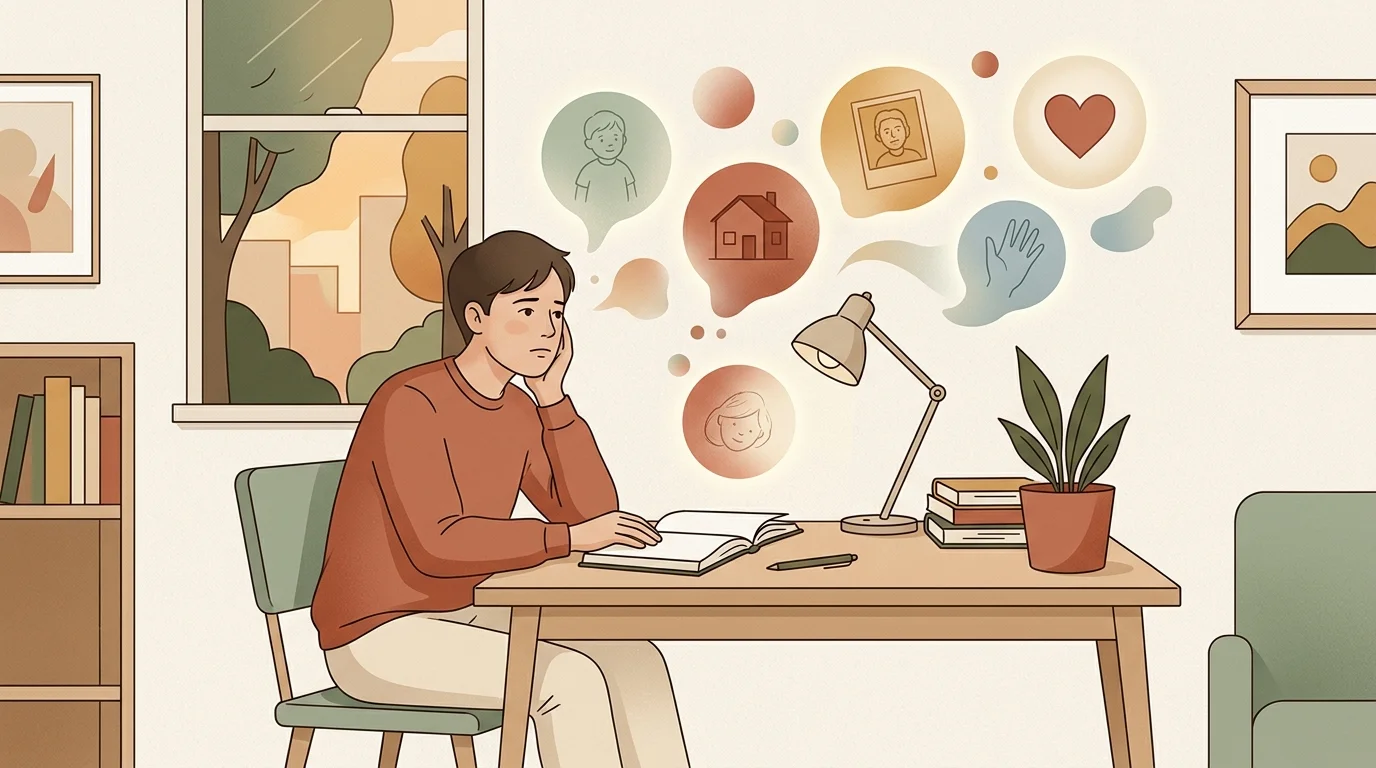
Mood-Congruent Memory: How Mood Can Bias What You Remember
Mood can influence which emotional memories come to mind. Learn how this differs from mood-dependent memory, and why neither is a reason to make studying stressful.
The Two-Day Rule: An Optional Cue to Replan Your Study Routine
A missed study session is a reason to review your plan, not a neurological deadline. Choose a feasible next task around rest, work and care.
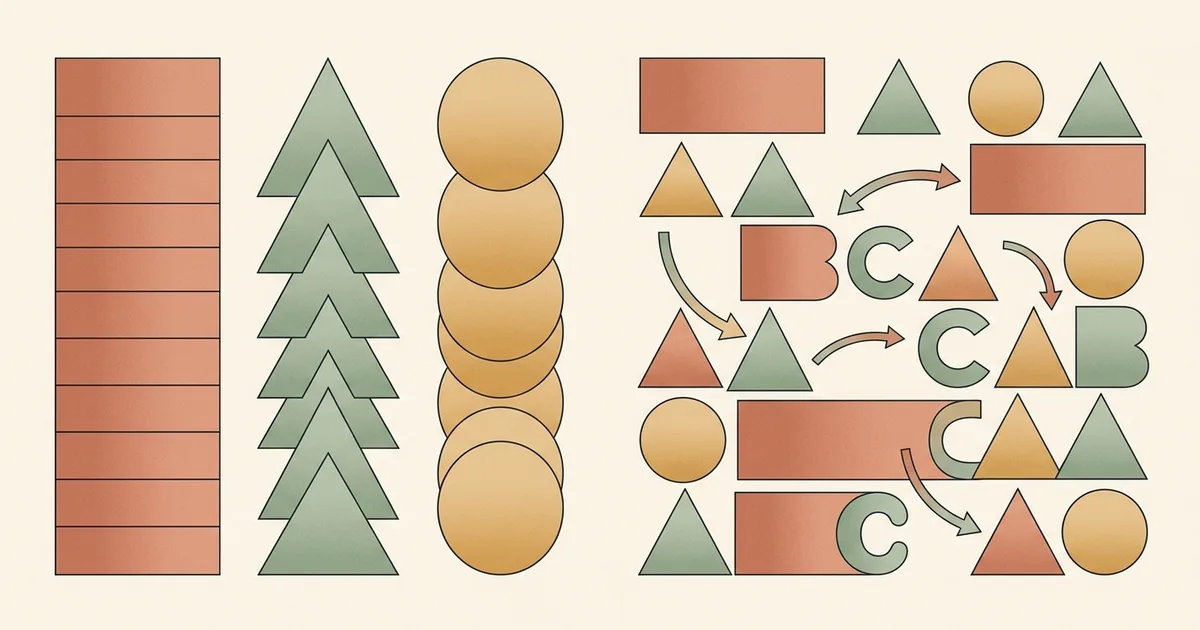
Interleaving vs Blocked Practice: Which Study Method Actually Works Better
Most students study the same type of problem over and over until they feel confident. Then they move on. It feels productive. Research suggests it might be the wrong approach entirely.
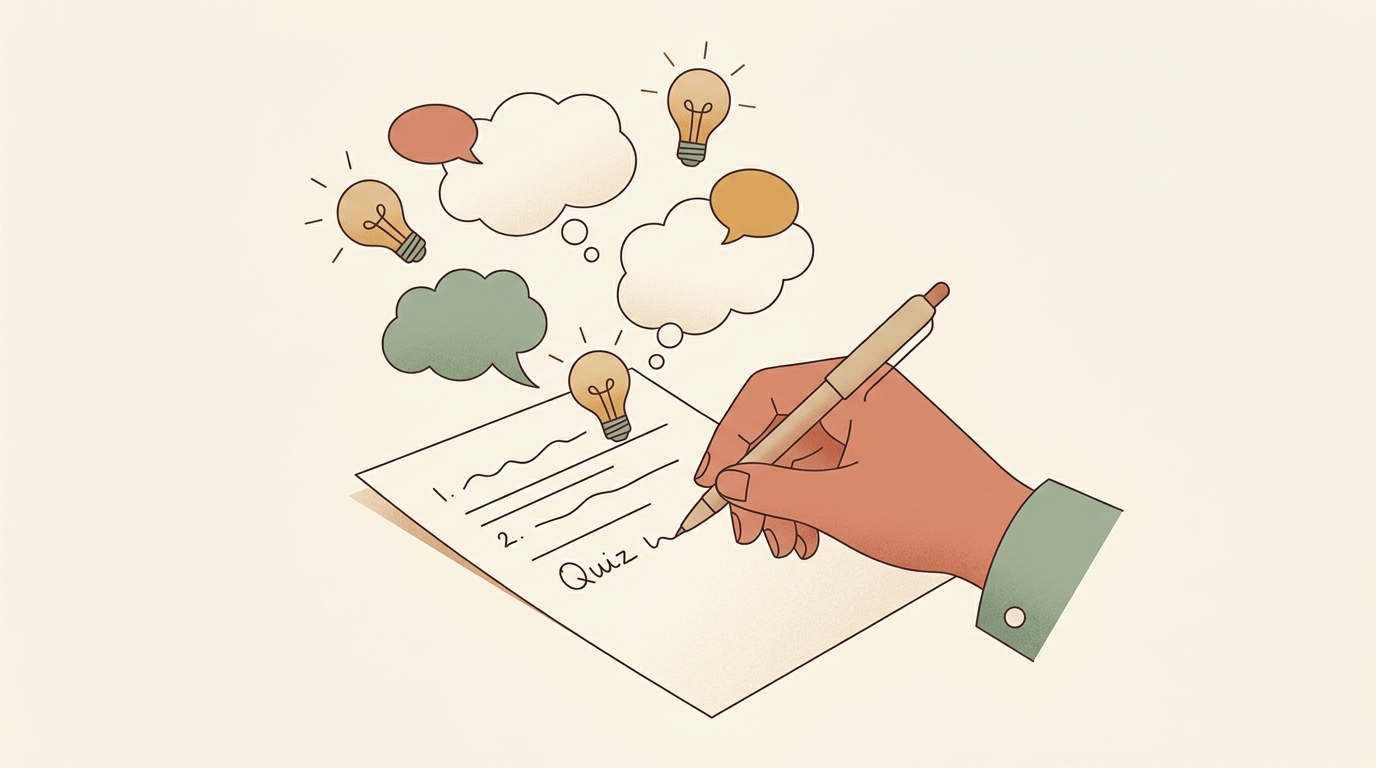
The Generation Effect: Produce an Answer, Then Check It
Generating a response can help memory, but writing your own questions is not a guaranteed shortcut. Try a small task, check the answer, and test what you can use later.
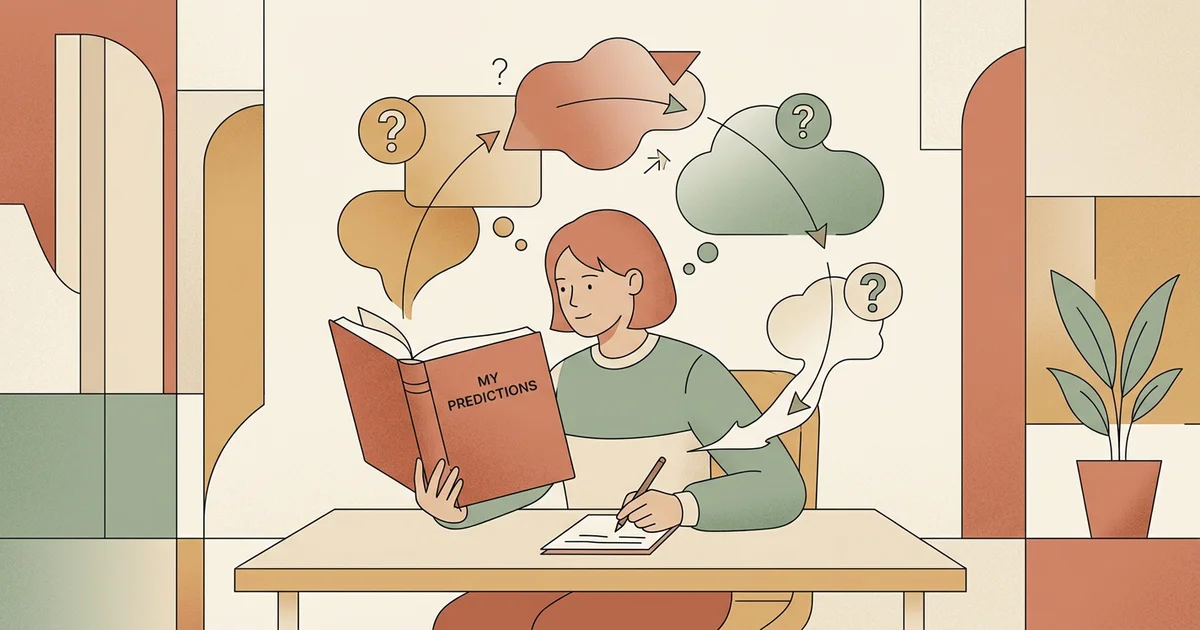
The Testing Effect: Why Predicting Exam Questions Makes You Better at Answering Them
You already know that reviewing your notes helps. You probably also know that flashcards work better than passive reading. But here's the part most study guides skip: the act of trying to predict what's going to be on the test is itself one of the most powerful study techniques available.
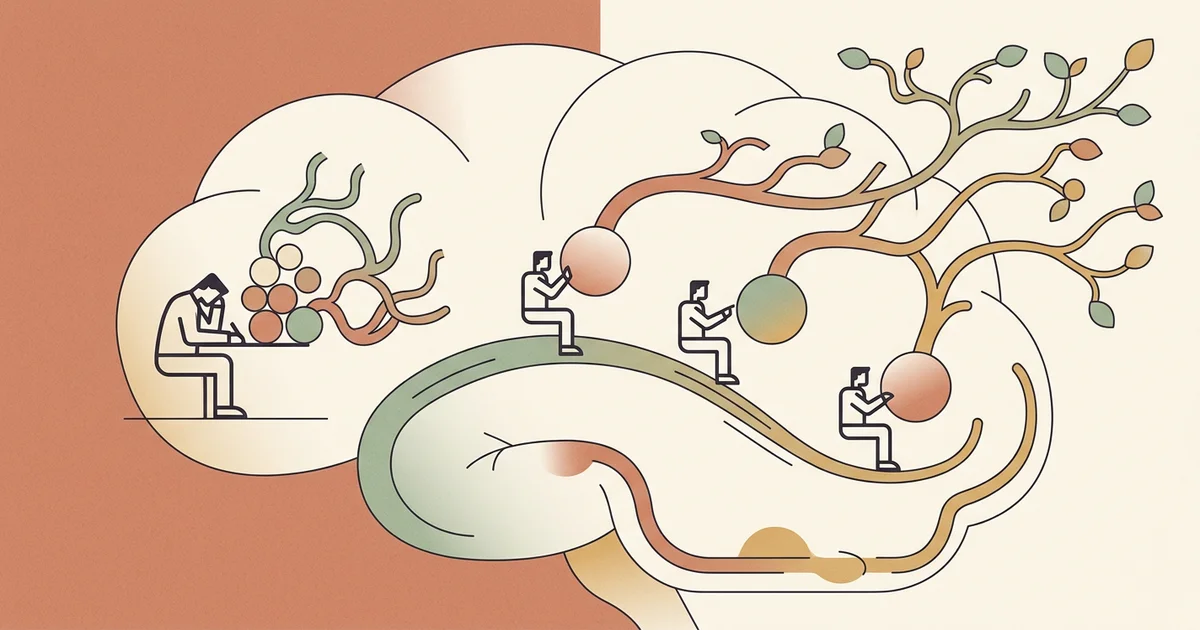
Spaced practice vs massed practice: planning repeat sessions
Compare spaced and massed practice, then plan repeat sessions around what you need to remember and when.
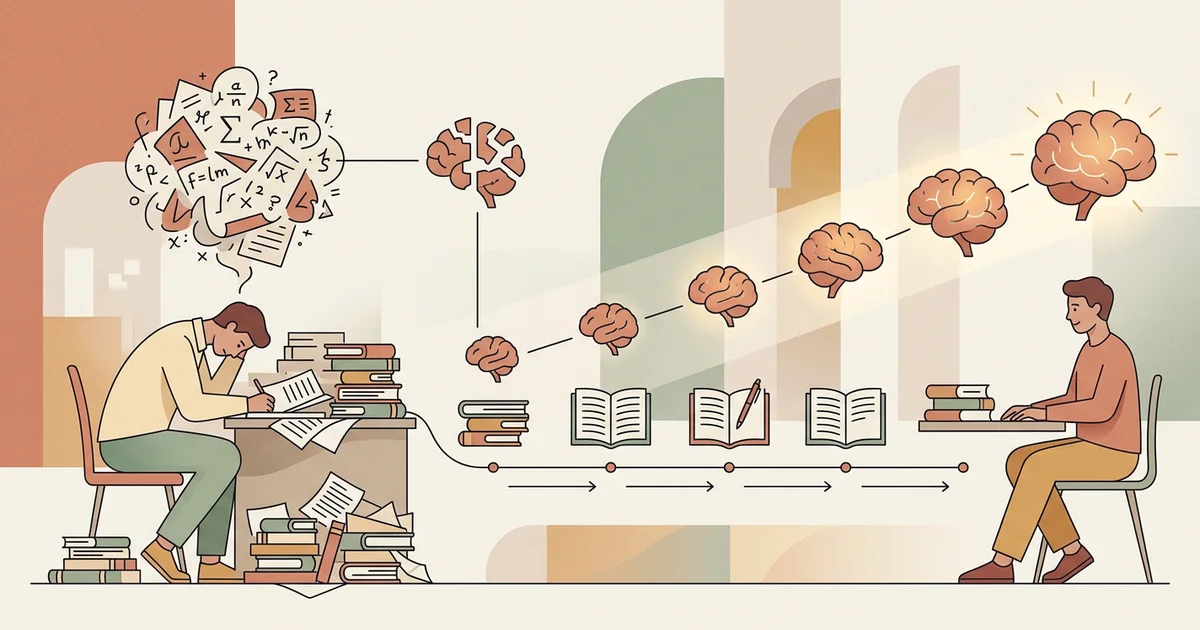
The spacing effect: choosing gaps between reviews
Choose review intervals around your deadline, task and previous attempts rather than treating one calendar pattern as optimal.
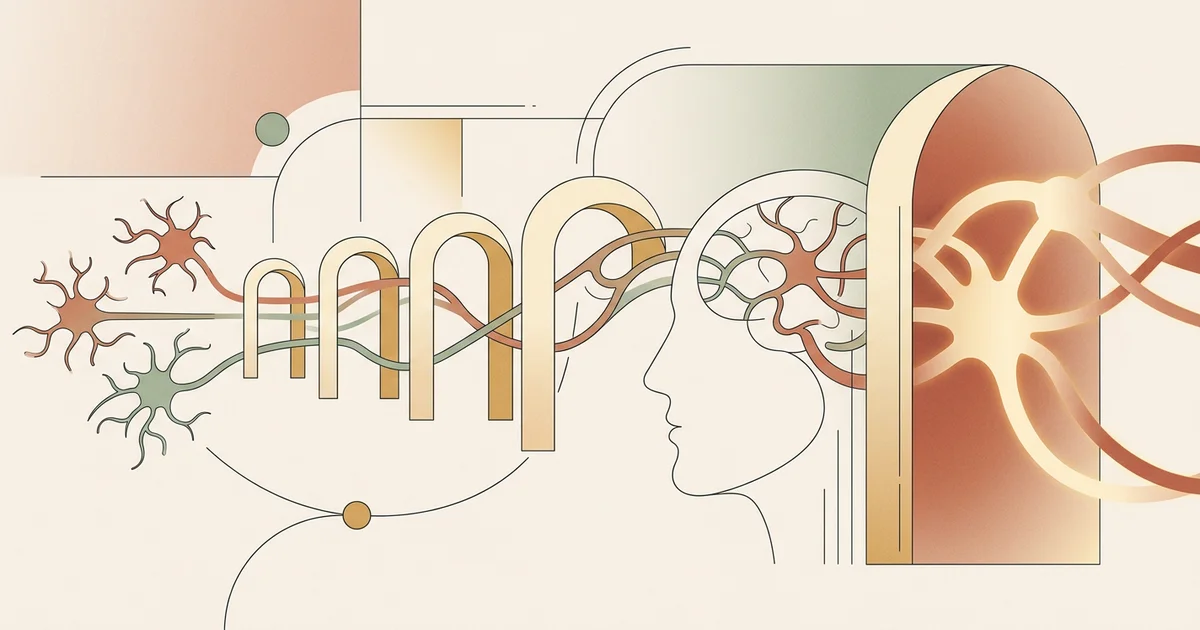
Memory Trace Strengthening: How Review Timing Determines Long-Term Retention
Here's something that quietly undermines almost every study session: you're probably reviewing at the wrong times. Not because you're careless, but because most students follow a simple logic that the evidence contradicts.
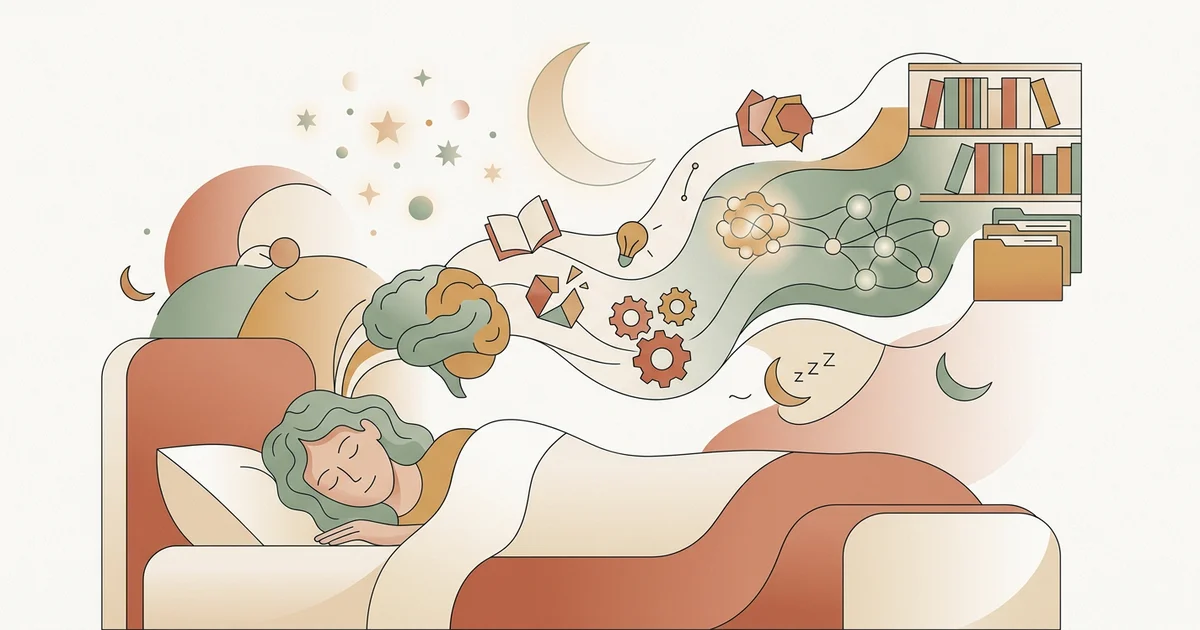
Sleep and Memory: Why Your Brain Consolidates Learning While You Sleep
You spent three hours memorizing anatomy terms. You went to bed late but you went to bed. Then you woke up and half of it was gone. The frustration is real, but you're not stupid. You're just missing one thing.
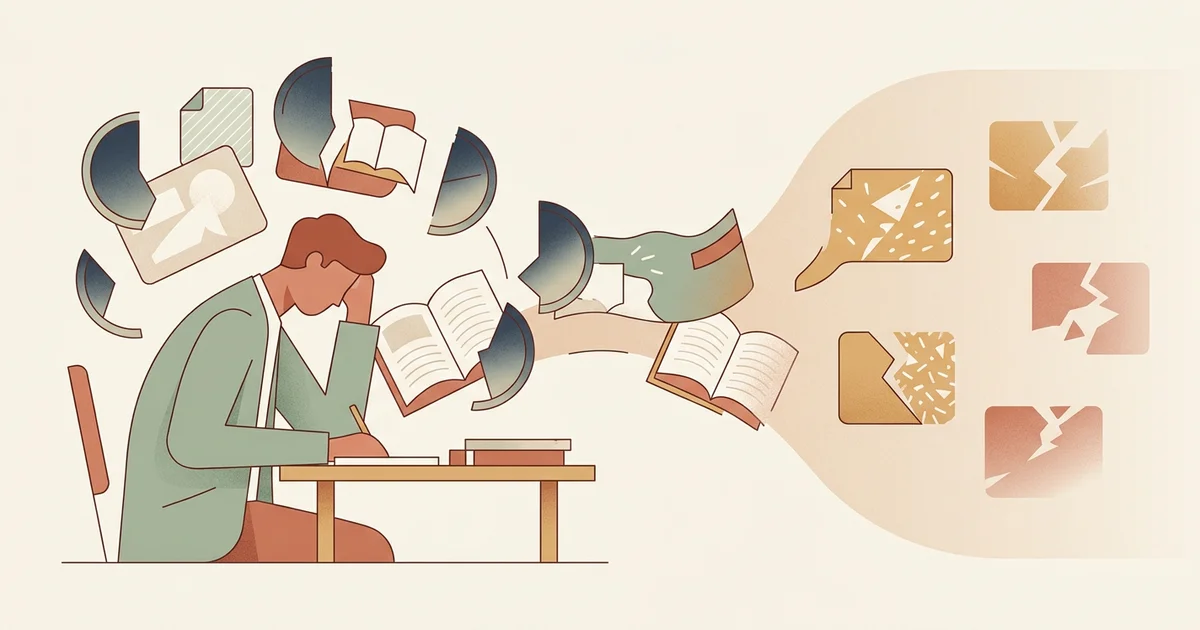
Sleep Deprivation and Study: How Each Hour of Lost Sleep Damages Your Memory
# Sleep Deprivation and Study: How Each Hour of Lost Sleep Damages Your Memory Most students know they're not sleeping enough. What they don't know is exactly what each missed hour costs their brain.
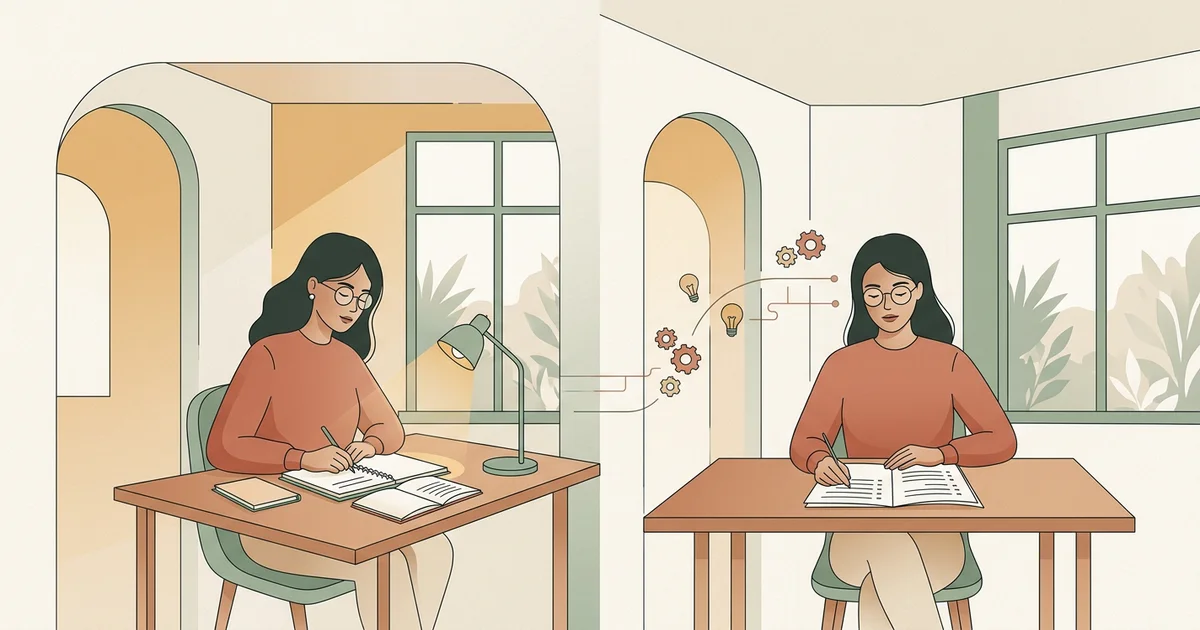
Context Dependent Memory: Why Studying in Your Exam Room Helps You Remember
# Context Dependent Memory: Why Studying in Your Exam Room Helps You Remember There's a reason cramming in your bedroom feels good and yet leaves you stranded during the actual exam. You memorized th
Desirable Difficulty: Why Harder Study Sessions Lead to Better Retention
# Desirable Difficulty: Why Harder Study Sessions Lead to Better Retention The instinct is wrong. When you're struggling to remember something, when the material feels heavy and resistant, when you k
Elaboration Learning: How Asking 'Why' Transforms Surface Knowledge Into Deep Understanding
You've read the chapter three times. You highlight key phrases. You re-read your notes. And still, come e
Retrieval practice: what the evidence means for your study routine
Practise answering from memory, check your work and revisit it. Retention findings do not guarantee exam scores or every practical skill.
Retrieval practice and transfer: check recall, explanation and application
Remembering an answer and using it in a new problem are different checks. Practise relevant applications and verify your reasoning.
Retrieval practice difficulty: choose the next task from checked answers
Use accuracy, missing knowledge and the task goal to choose a cue, explanation or new attempt. There is no universal recall success target.

Generational Study Habits: What Research Says About How Each Age Group Retains Knowledge
You probably have a hunch about who learns faster. Younger people, maybe. Faster brains. More plasticity. Th
The Testing Effect and Confidence: Why Practice Tests Reduce Exam Anxiety
Your palms are sweating. Your heart rate climbs. You're convinced you've forgotten everything you studied, even though you

The Binge Learning Illusion: Why 10 Hours in One Day Is Less Effective Than 1 Hour Daily
You spent ten hours on Saturday. The coffee went cold. Your highlighter ran dry. You felt like you were absolutely crushing it. By Wednesday, you remembered almost none of it. This isn't a character
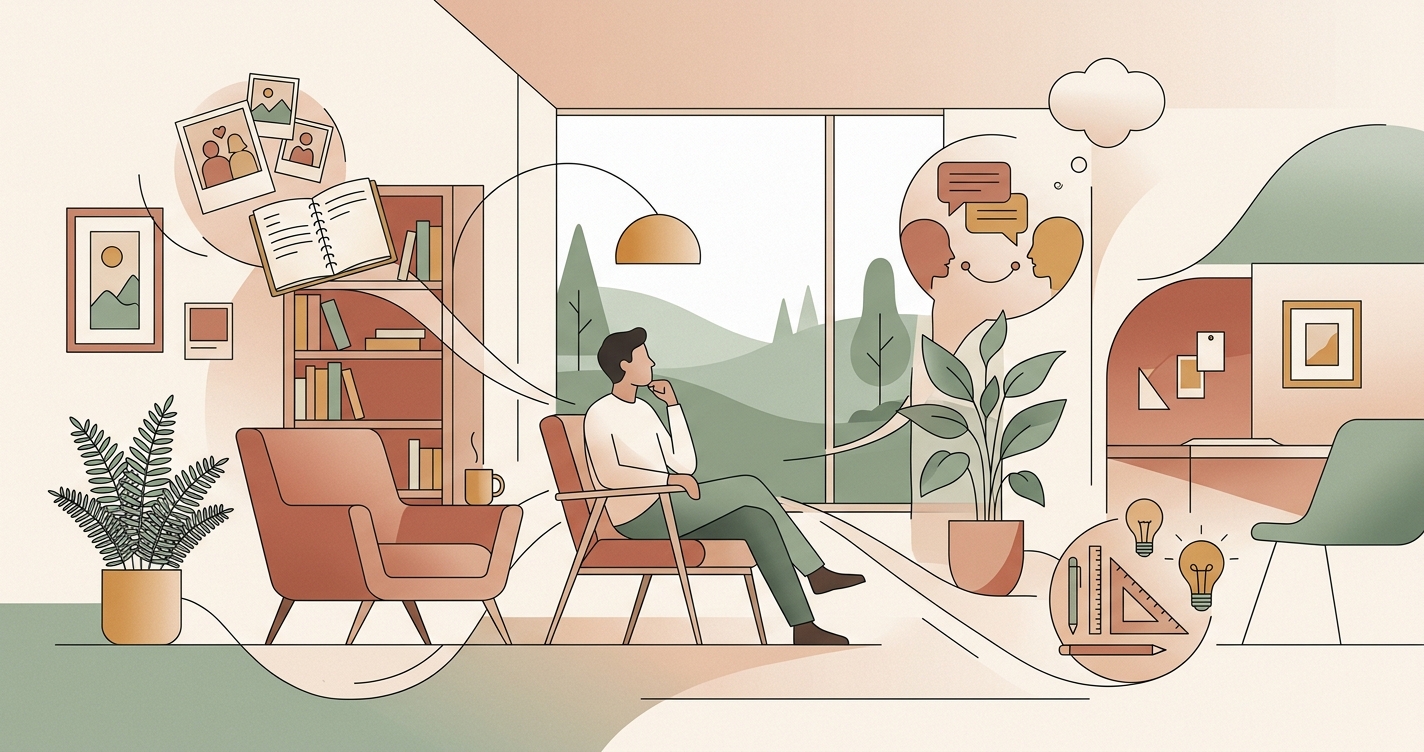
Environment and Context: How Your Physical Space Shapes What You Remember
You already know cramming doesn't work. You've heard about spaced repetition, active recall, the whole deal. But here's som
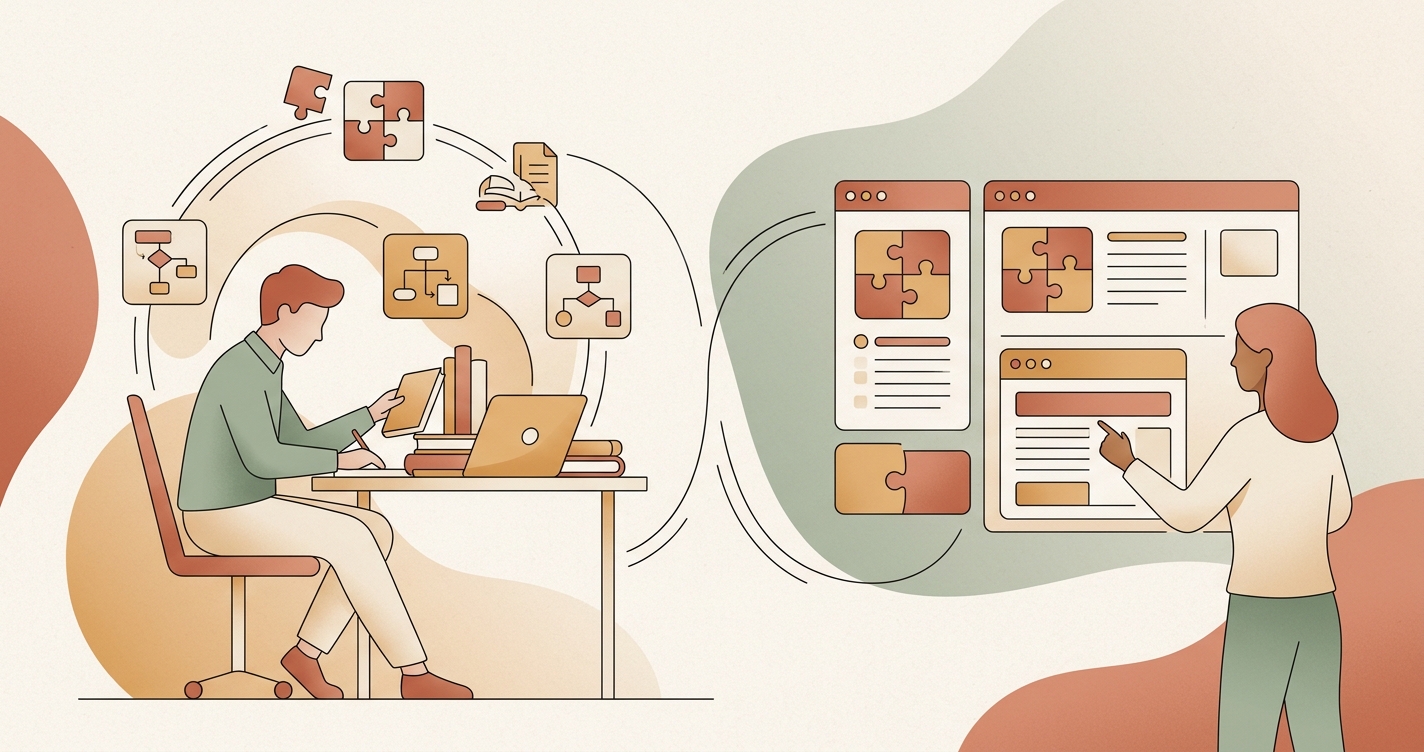
Why Matching Your Study Method to Your Exam Type Is the Cheat Code Nobody Talks About
Last semester I highlighted an entire textbook chapter. Three weeks later, the exam asked for short-answer explanations. The mismatch between how you study and what the test asks you to do is one of the most reliable predictors of how you will perform.
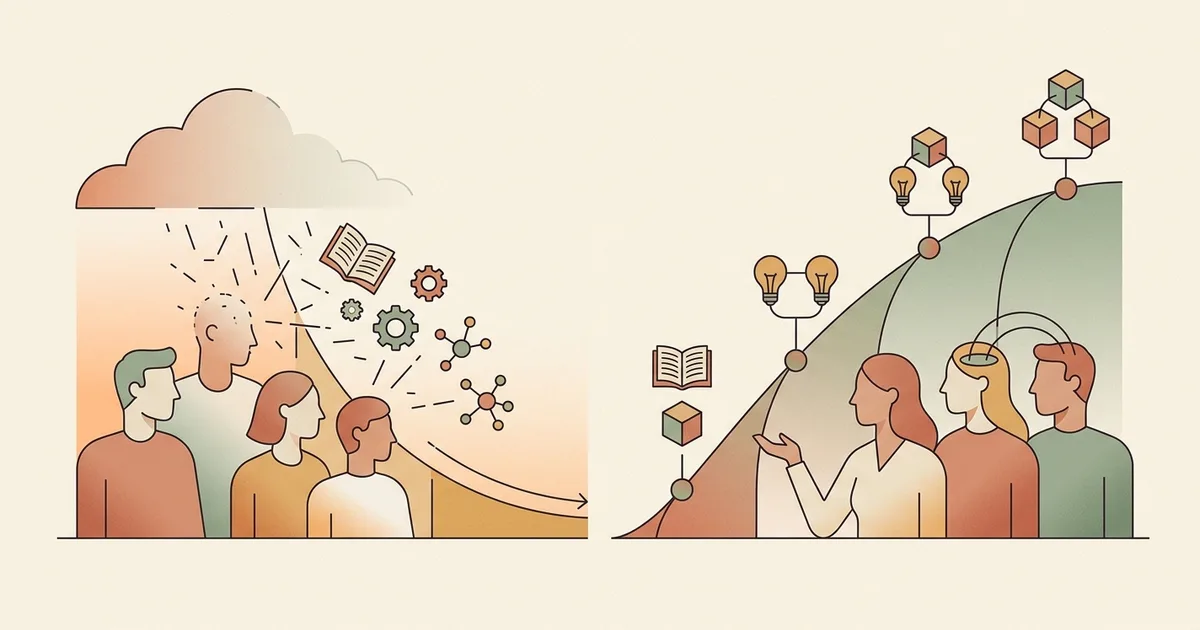
The Forgetting Curve: Why You Lose Knowledge (and How Spaced Review Fights It)
**The Forgetting Curve: Why You Lose Knowledge (and How Spaced Review Fights It)** You studied it. You were sure you knew it. And then, two weeks later, the exam hits and it's gone. This isn't a cha
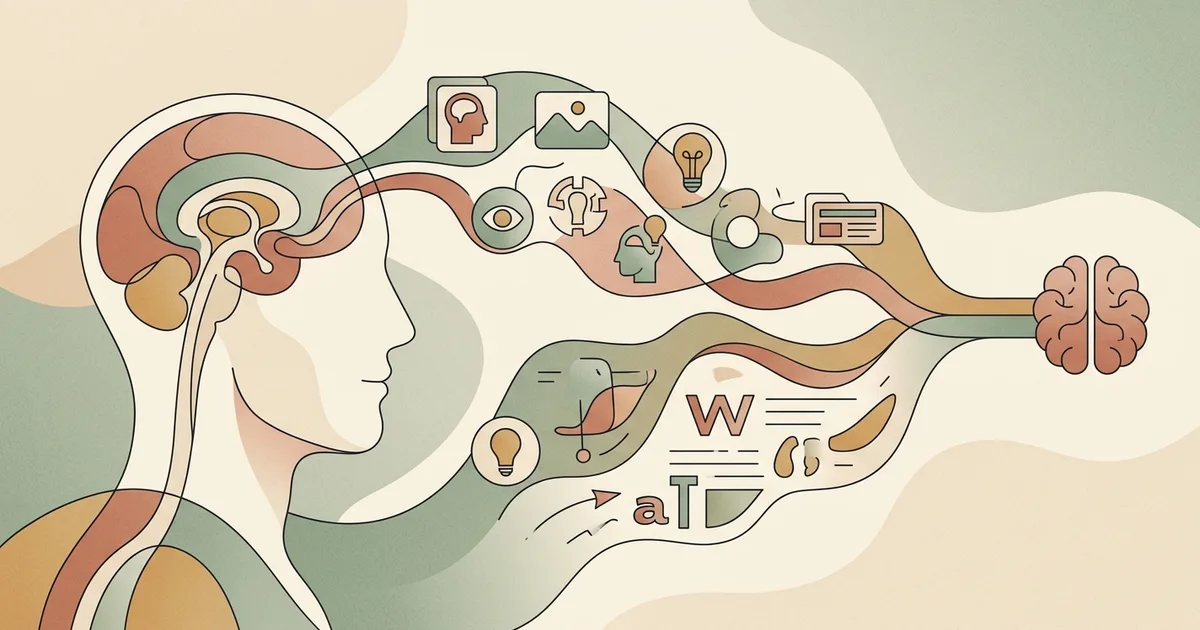
Dual Coding: How Combining Words and Pictures Makes Studying Twice as Effective
Dual coding pairs words and images to lock material into memory through two separate channels. Here's how to use it when you study.
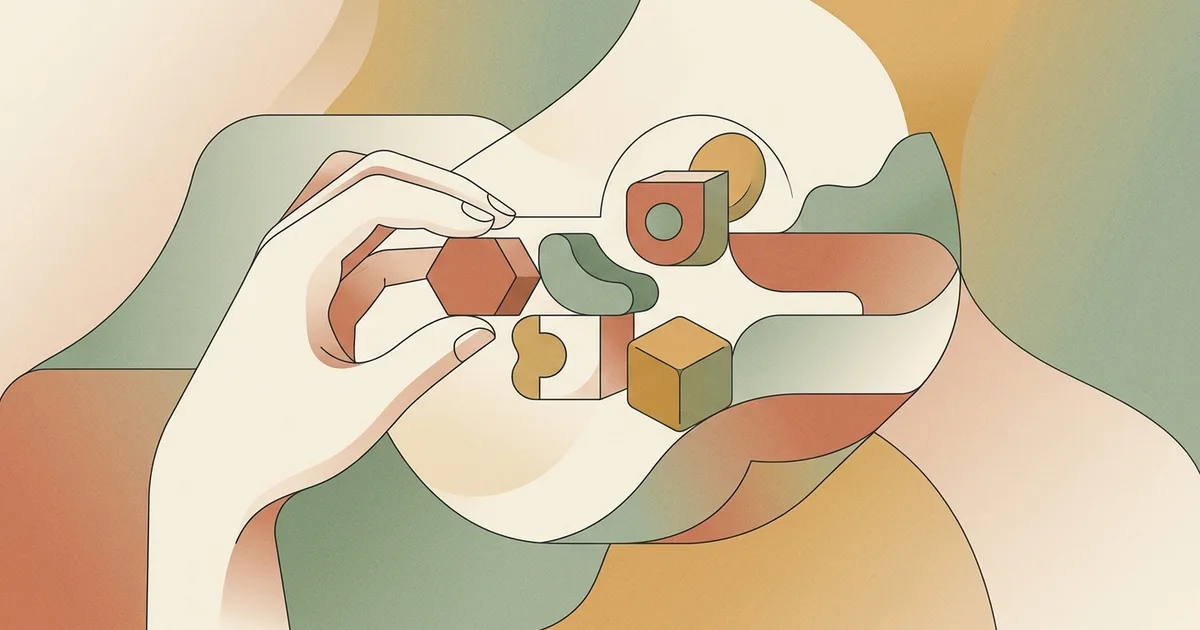
Why Mixing Up Your Practice Beats Repeating the Same Thing Over and Over
**Interleaving for Motor Skills: Why Mixing Practice Tasks Builds Faster Mastery** Most people practice the wrong way. They warm up, drill one skill for an hour, call it done. It's structured. It fee
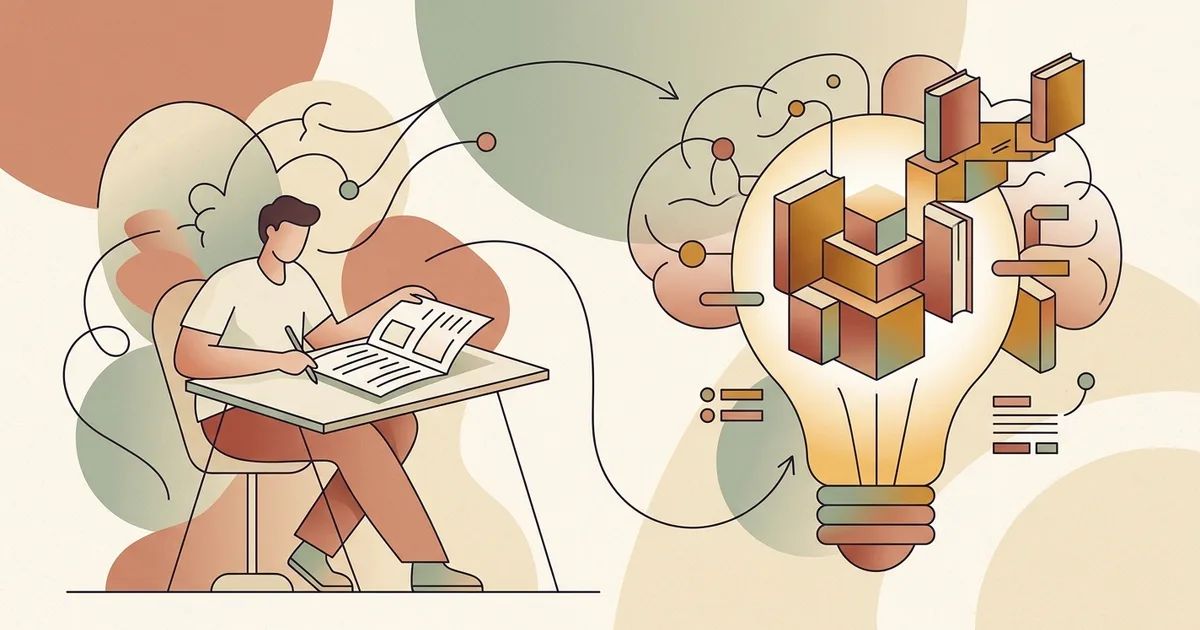
The Testing Effect: Why Practice Tests Work Better Than Rereading Every Time
Here's something most students don't realize: every time you reread your notes, you're wasting time. I know that sounds hars
Cognitive Load Theory: Choose Guidance and Practice That Fit the Task
Use prior knowledge, reliable examples and checked practice to choose your next study task. Cognitive load theory does not prescribe fixed memory slots or an ideal level of strain.
Effortful retrieval: when to attempt, check and ask for help
Try a clear question from memory, then check the answer. Difficulty, errors and anxiety are not proof that a practice task is helping.
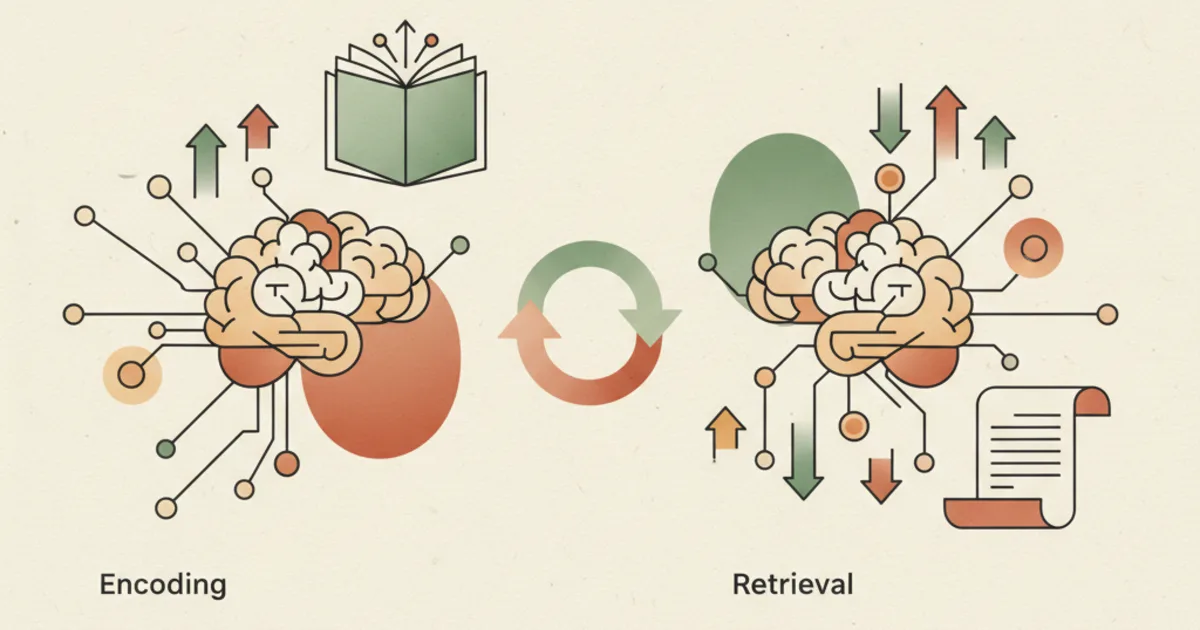
The 2-Step Memory Trick: Why Encoding AND Retrieving Matter More Than Just Reading
We've all been there. You spend hours poring over textbooks, meticulously highlighting every important detail, only to draw a blank when faced with an exam question. Or perhaps you feel like you.
When Hard Study Sessions Stop Working (And How to Know When to Push vs. Back Off)
Desirable Difficulty Over Time: How Optimal Challenge Level Shifts as You Learn You've been there. That moment when a problem feels just slightly too hard, when you're reaching for something just.
Metacognition: plan, check and adjust your learning
Use metacognition to set a learning goal, check your understanding and choose your next practice task.
Spaced Repetition for Thesis Writers: How to Retain 100+ Papers Without Rereading Everything
Spaced Repetition for Thesis Writers: How to Retain 100+ Papers Without Rereading Everything A PhD student posted this recently: > 'I've been reading papers but I can't retain anything anymore. I.
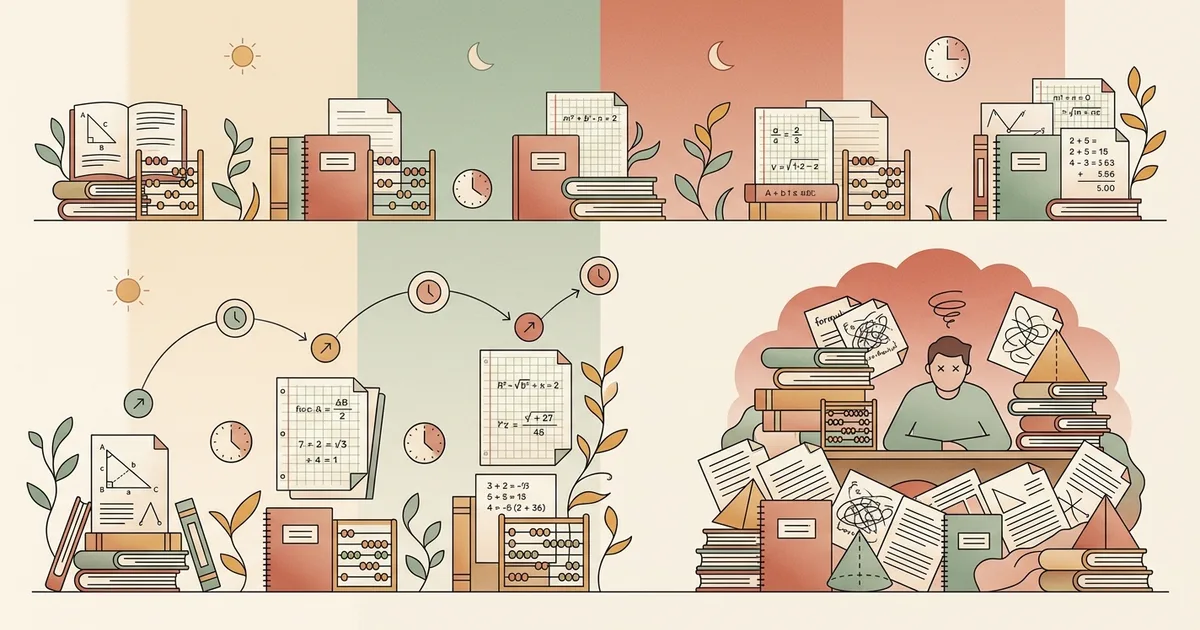
Distributed Practice for Math: Why Spreading Problem Sets Out Beats One Long Session
It's 11 PM. The math test is tomorrow. You've got forty problems left and a half-empty coffee mug. The logic feels airtight: more hours now equals a better score in the morning. Your brain disagrees.
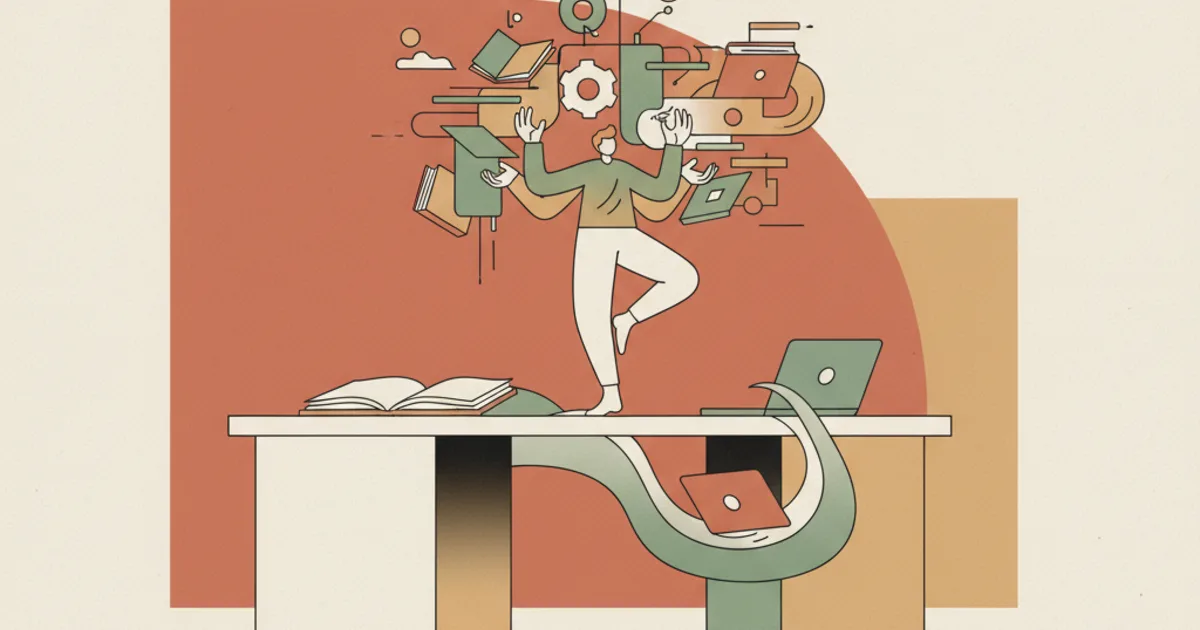
How to Study While Working Full Time: The Working Grad Student's Survival Guide
Some days my brain is just fried when I get home.' A graduate student on r/GradSchool wrote that. She works full time, has three kids, and is writing a thesis. She doesn't have a motivation.
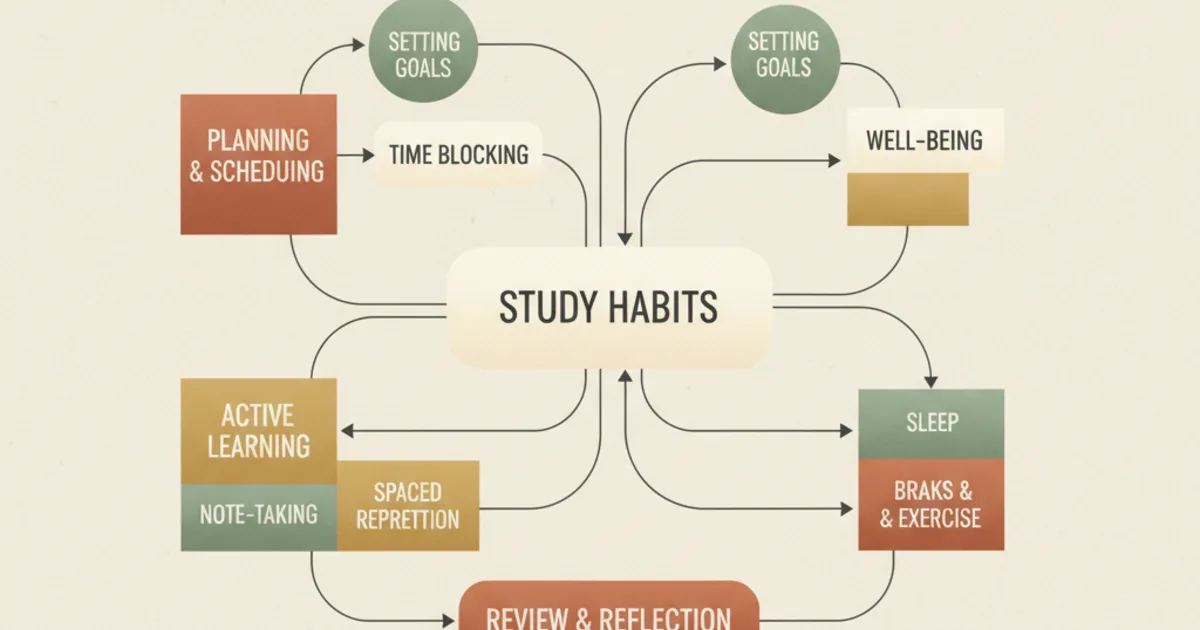
How to Build a Study System That Actually Works (Even When Your Schedule Falls Apart)
How to Build a Study System (Not Just a Schedule) for Master's Students Every semester starts the same way. You open Google Calendar, block out two-hour chunks for each course, color-code.
What Is Spaced Repetition? The Highest-ROI Study Technique Most Grad Students Skip
What Is Spaced Repetition? The Highest-ROI Study Technique Most Grad Students Skip If you spend any time in study forums, you already know spaced repetition works. Here's what a grad student on.
How to Study for Multiple Exams at Once , Without Dropping Any of the Balls
Sources & Further Reading: - Rohrer, D., & Taylor, K. (2007). The shuffling of mathematics problems improves learning. Instructional Science, 35(6), 481,498. - Roediger, H. L., & Karpicke, J. D..
Retrieval Practice (Active Recall): The Study Method That Outperforms Everything Else
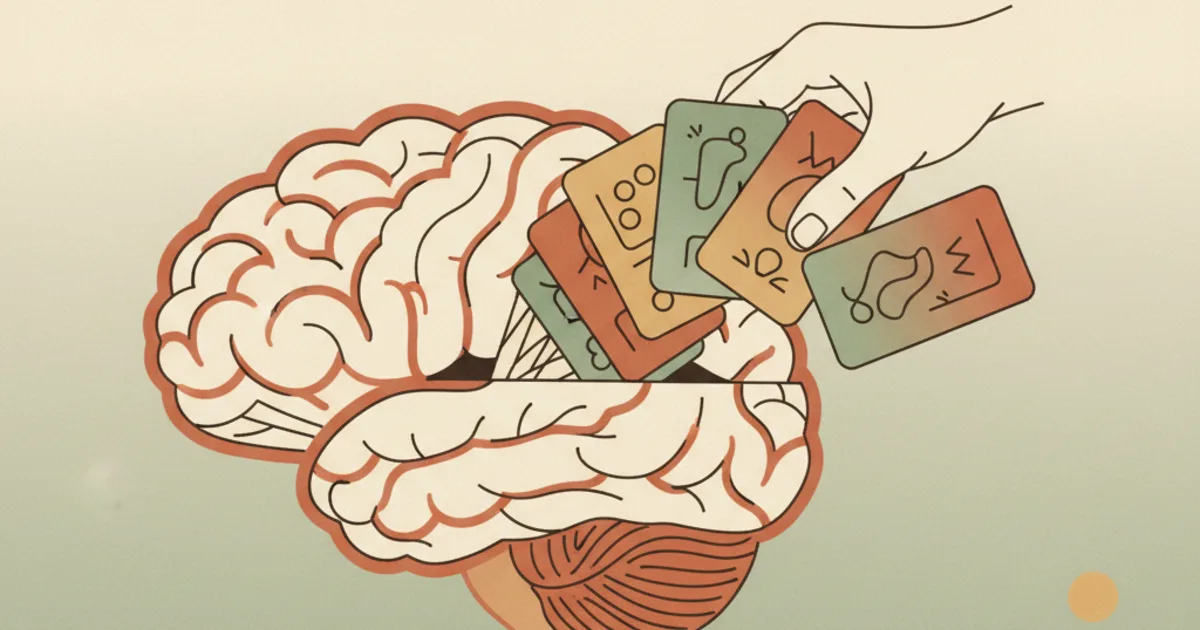
Retrieval practice, also called active recall, is the single most evidence-based study technique available. No tools required. Close the book and try to remember.

How to Build a Summer Study Routine When Nobody Is Watching
Summer is a trap disguised as freedom. You finish finals and tell yourself this break will be different. You'll stay sharp. You'll get ahead. By July, you've not touched a textbook in three weeks.
How to Study for Exams in One Week , Without Losing Your Mind
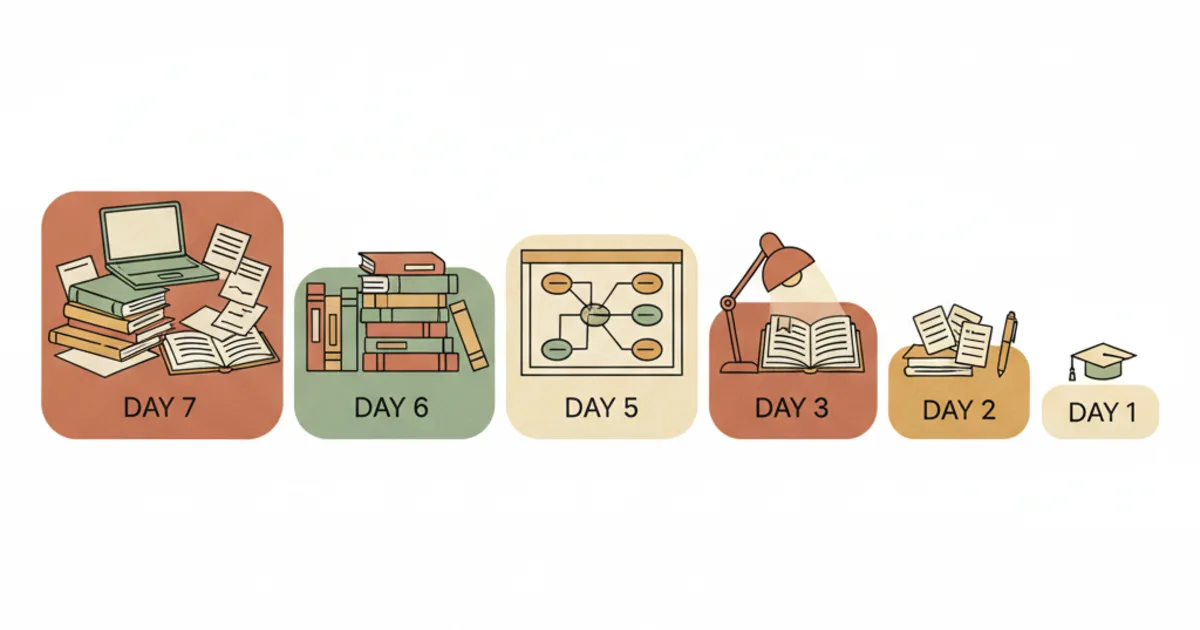
Seven days. That isn't nothing. It's also not a lot. The students who panic and the students who cruise through finals week often know the same material. What separates them is whether they have a.
Illusion of Competence: Check What Familiarity Can Hide
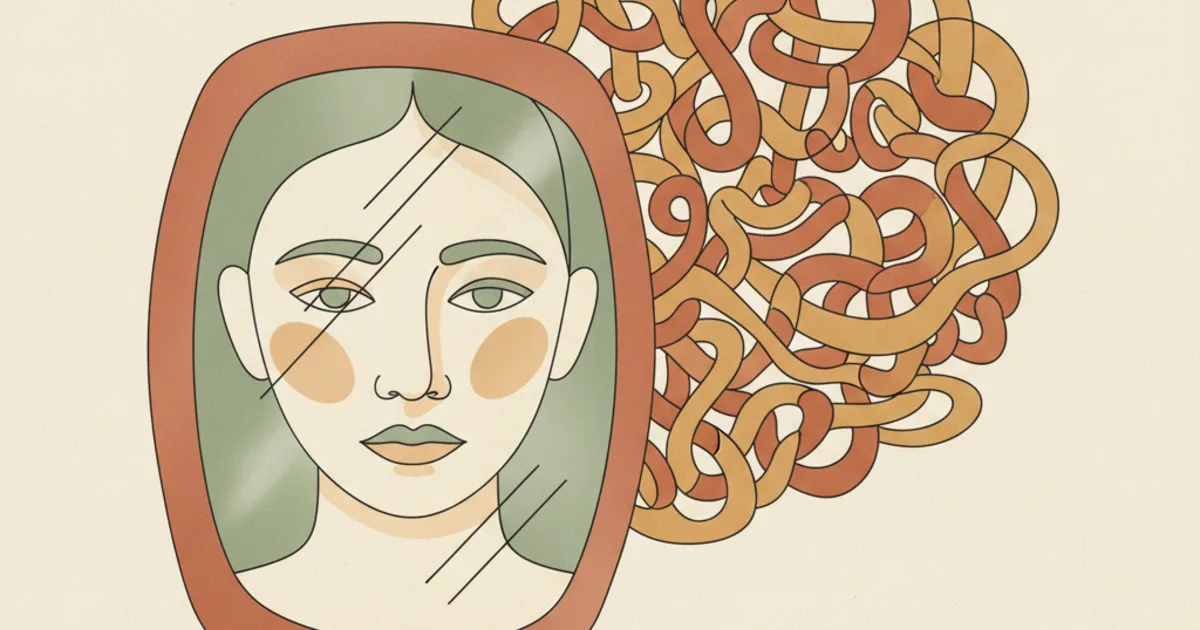
Familiar notes can feel reassuring. Compare that feeling with a checked answer, and use reading and retrieval practice for the task you need to learn.
The Piply Method , A Complete System for the Self-Directed Learner
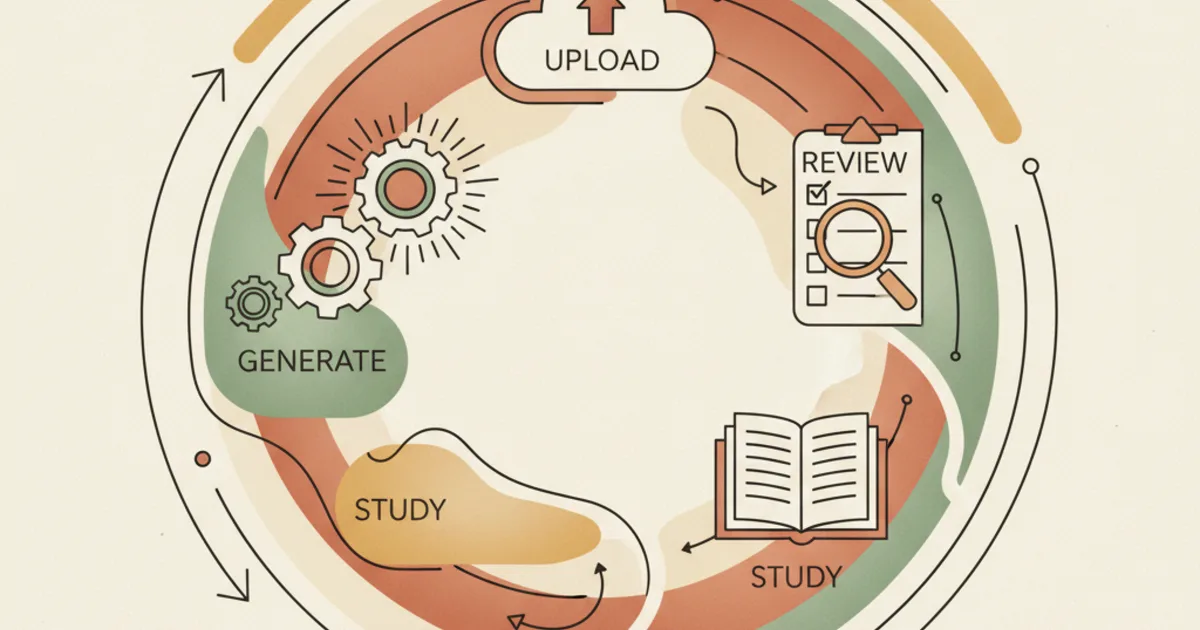
Try the Piply Method inside Piply, upload your first document and let the system take over the rest..
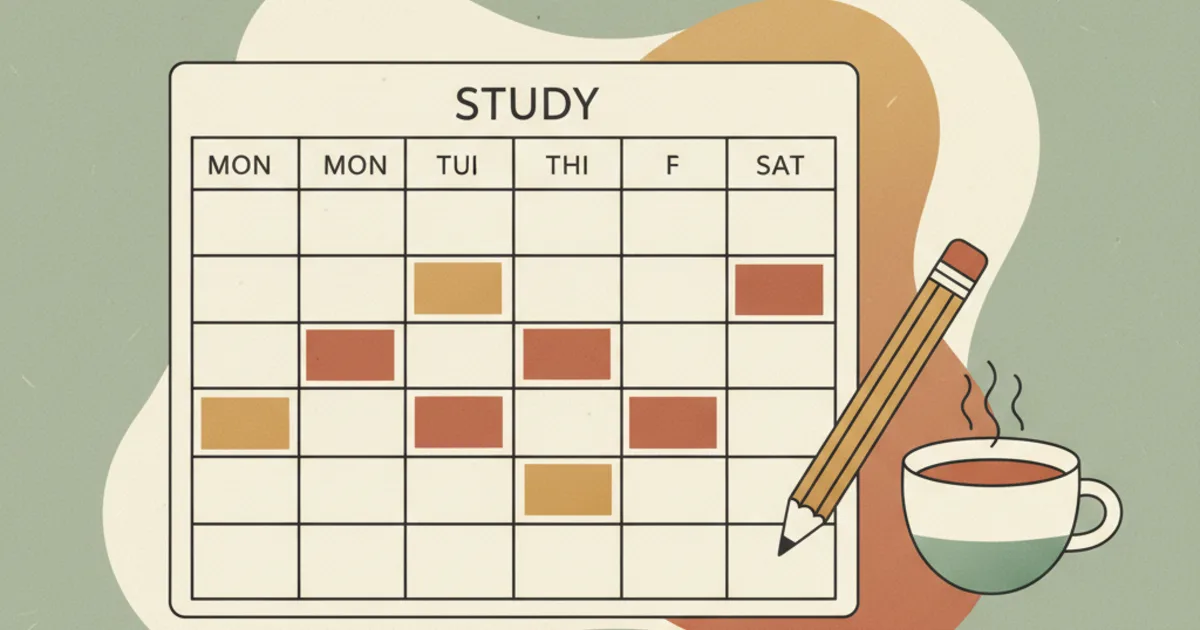
How to Build a Study Schedule That Actually Works (Not Just One You Feel Guilty About Breaking)
Picture this: it's Sunday night. You have two exams and a paper due by Friday. You open a blank spreadsheet, block out '9 AM - Bio,' '11 AM - History,' '2 PM - Review,' and feel an immediate surge.
How to Stay Motivated While Studying , The Science of Showing Up When You Don't Feel Like It
You set a study goal. You open your laptop. Three hours later, you've watched four YouTube videos, reorganized your phone apps, and convinced yourself that starting tomorrow will be easier. Sound.
Why Summer Is the Worst Time to Take a Break From Studying (And What to Do Instead)
This answers why why summer is the worst time to take a break from studying (and what to do instead) matters for students who want to actually remember what they study.
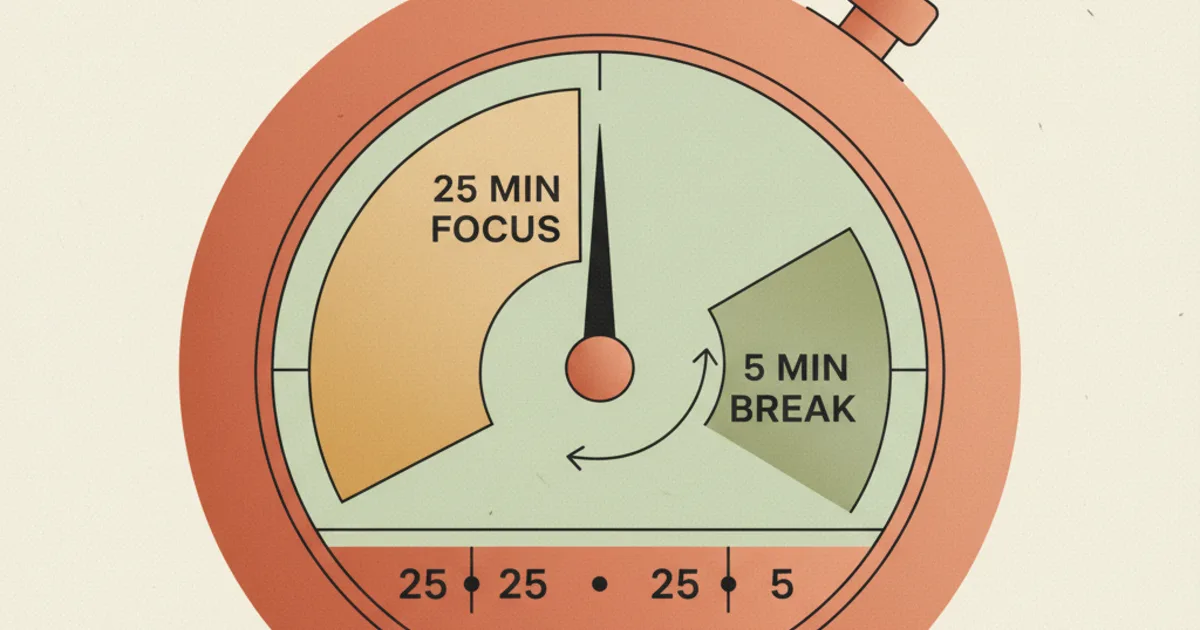
The Pomodoro Technique for Studying: Why It Feels Wrong (And How to Make It Actually Work)
Try Piply's Free Pomodoro Timer Ready to study with a Pomodoro timer built specifically for students? Piply's free Pomodoro timer runs in your browser with no ads, no installation, and customizable.
How to Focus When Studying: Why Your Brain Won't Stop Wandering
You know the feeling. Textbook open. Coffee in hand. Phone face-down. You're sitting there ready to study, and then 20 minutes later you look up and realize you just read the same paragraph five.
Why Your Study Room Might Be the Reason You Forget Everything on Exam Day
The Question That Stumps Students in Their Own Room Think about the last time you sat down to study and something felt off. You were in your room, at your desk, maybe the same spot you always use..
How to Stay Motivated When Studying (And Why 'Just Do It' Is the Worst Advice)
Why 'Just Be Disciplined' Fails as a Strategy The standard response to low motivation is discipline. Dig deeper. Push harder. Show up anyway. This advice isn't wrong exactly, but it treats the.
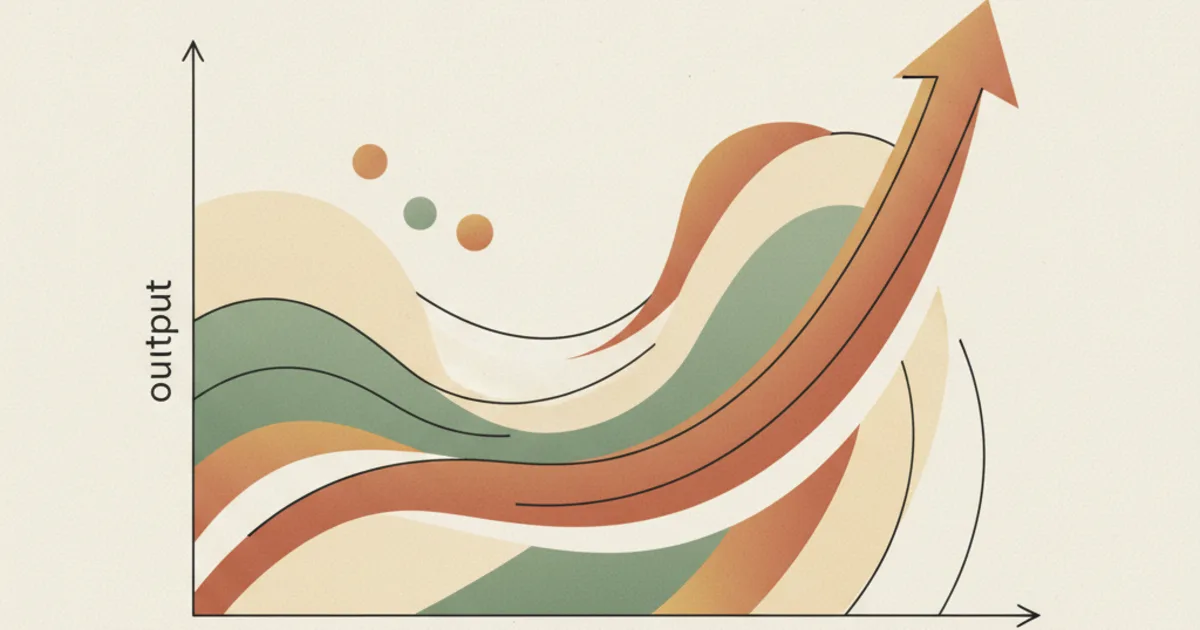
The Yerkes-Dodson Law: Why Some Pressure Helps You Perform and Too Much Breaks You
The Strange Nature of Exam Performance Here is something most students experience but few understand. You walk into an exam moderately prepared and something happens that surprises you. You.
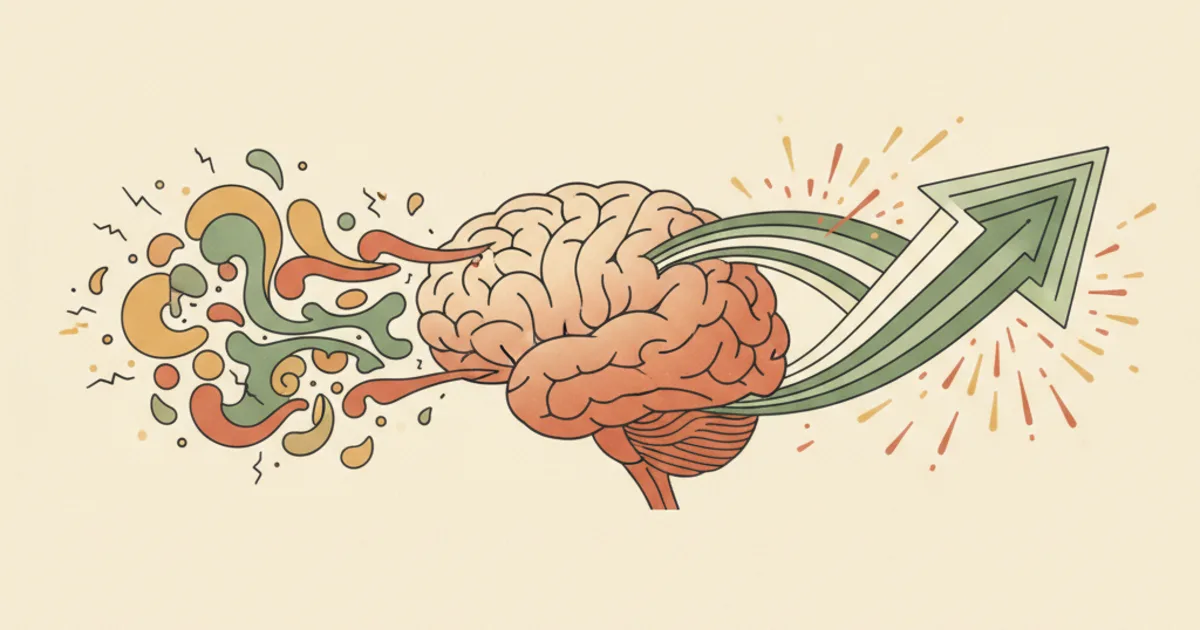
Why You Can't Focus: The Science of Dopamine and What Actually Helps
This answers why why you can't focus: the science of dopamine and what actually helps matters for students who want to actually remember what they study.

The Real Reason You Can't Focus After 2 Hours of Studying: Digital Fatigue
The Fog Before The Notes You've been there. You open your laptop, pull up your notes, and start working. For the first 30 minutes things are reasonable. Then the fog rolls in. Words stop.
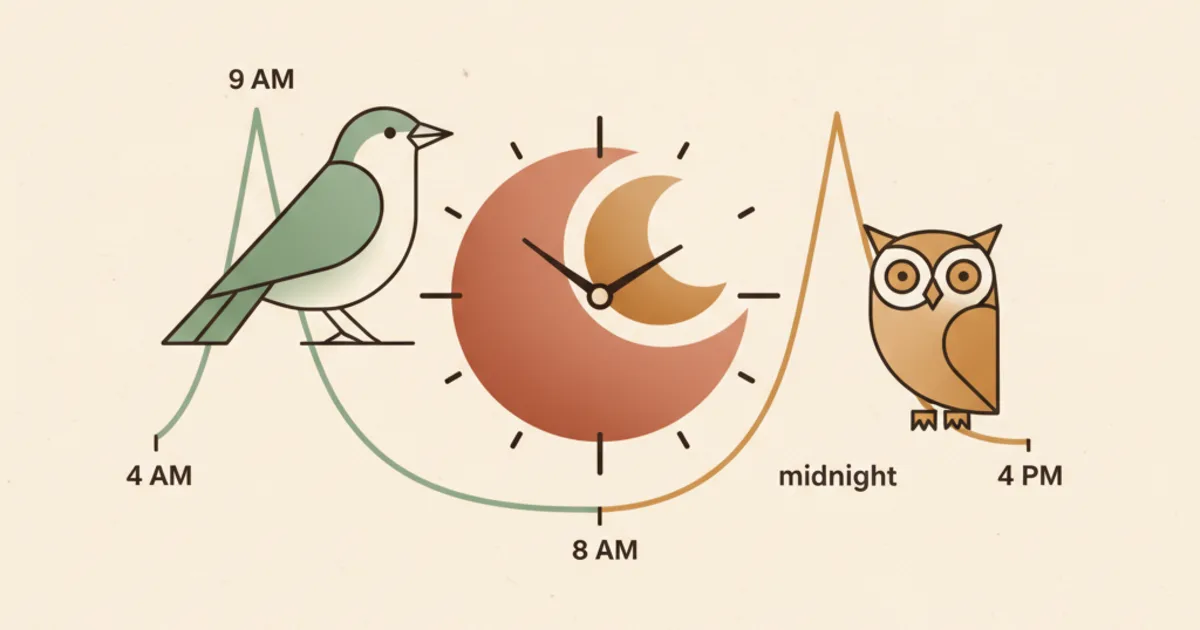
Why Your Biology Is Working Against Your Grades: Understanding Chronotypes
The Morning Class Problem Picture this. It's 7:45am. Your lecture starts in 15 minutes. You made it to campus, found a seat, opened your notebook. The professor starts speaking and your brain.
Interleaved practice: when to mix related problem types
Practice choosing a method with mixed problems, and use explanations or focused practice when needed.
Food and study sessions: plan around your needs
Make room for food that fits your needs and circumstances. Breakfast research does not establish a universal menu, meal interval or grade benefit.
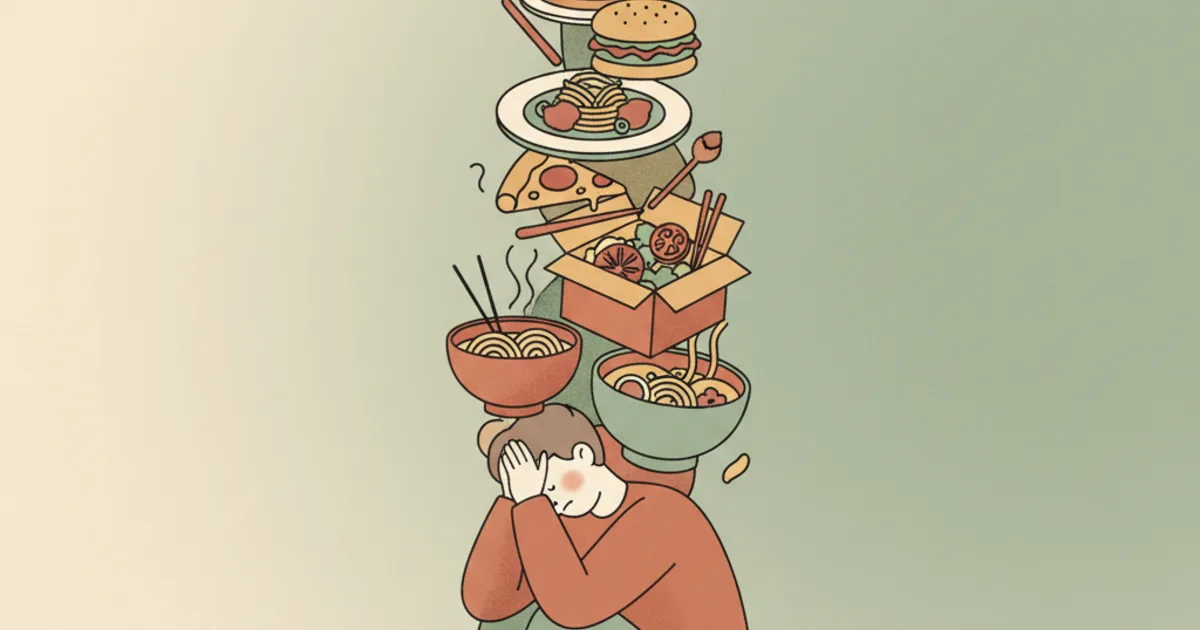
Decision fatigue and studying: prepare your next task
Choose a task, keep needed choices, and check whether preparation helps. Ego-depletion research does not establish a universal study schedule.
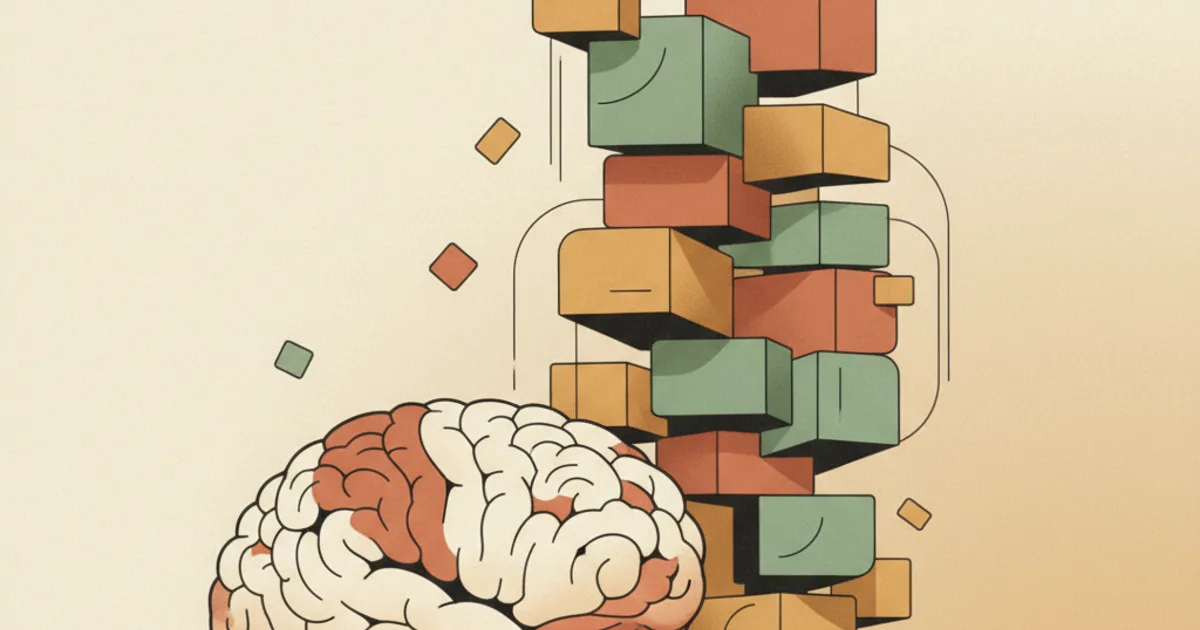
Cognitive load: adapt your study task to what you know
Cognitive load depends on the material, your prior knowledge and its presentation. Try a manageable task, useful guidance and a source check.
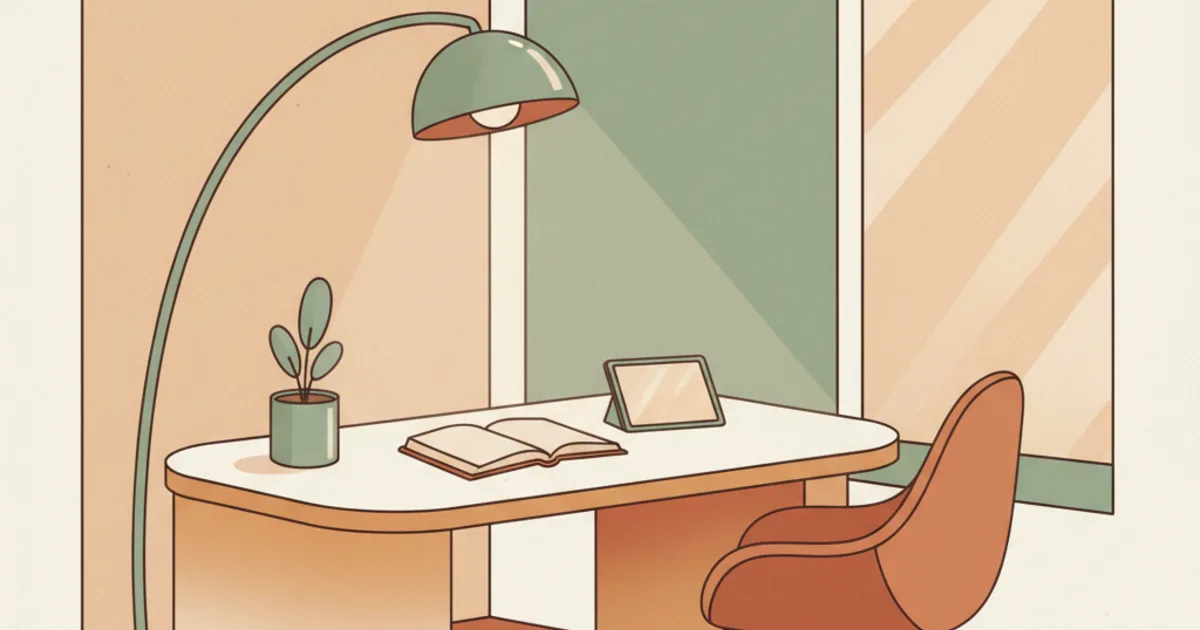
Your study environment: make practical changes to the space you have
What heat research can tell us, and how to check comfort, lighting and noise without needing a perfect study room.
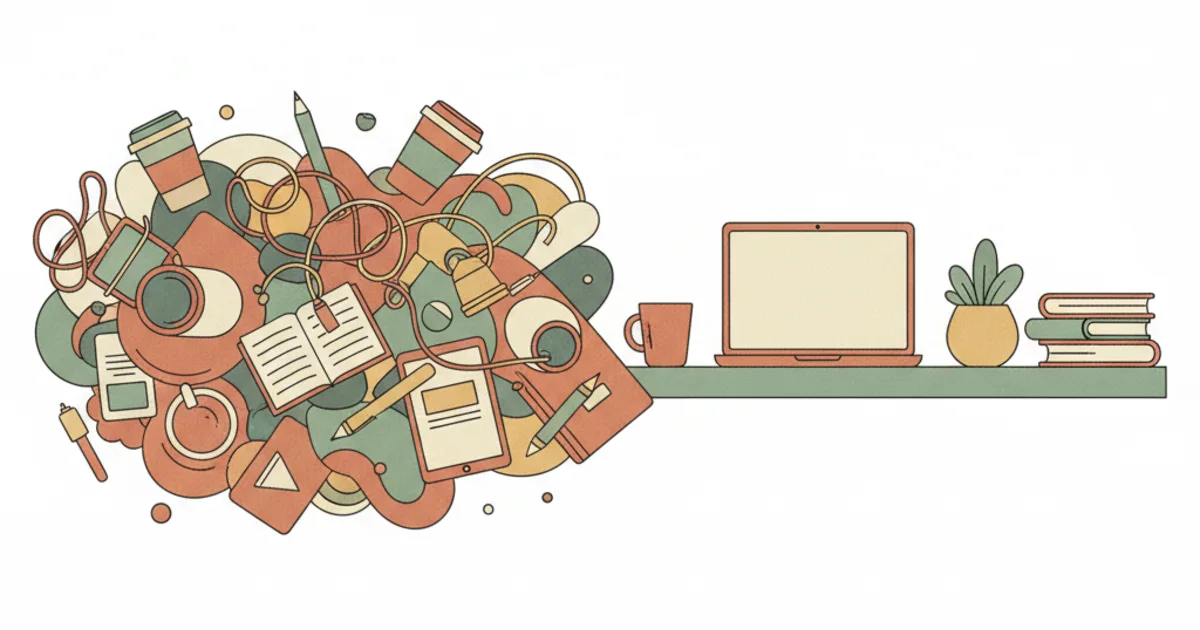
Digital distractions while studying: choose what to change
Research on interruptions and phone presence, with practical ways to test a study setup that fits your needs.
Study procrastination: identify the obstacle and choose a next step
A research-informed look at study delays, with a short-start exercise you can adapt to your workload.
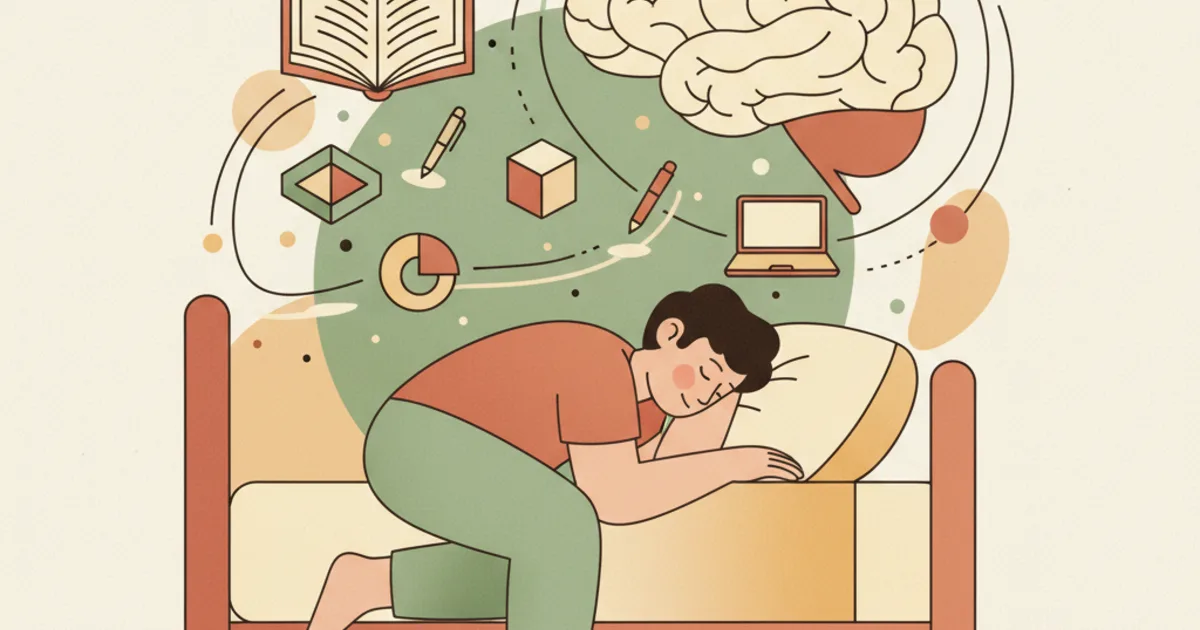
Sleep and studying: plan beyond the night before
What two student studies found about sleep and grades, and how to plan study tasks without relying on an all-nighter.
How to Run a Study Group That Actually Works (Even Remotely)
Ready to transform your study group? Create your free Piply workspace and invite your team. The first 30 days are on us. *Andy Anderson is the head of growth at Piply.ai and a former academic tutor.
Why Your Brain Is the Biggest Threat to Your Study Plan (And What to Do About It)
The Sunday Night Lie Sunday night. You open Notion, pull up a color-coded template, and spend two hours building the perfect study schedule. 8am: Organic Chemistry. 10am: Calculus. 2pm: History.
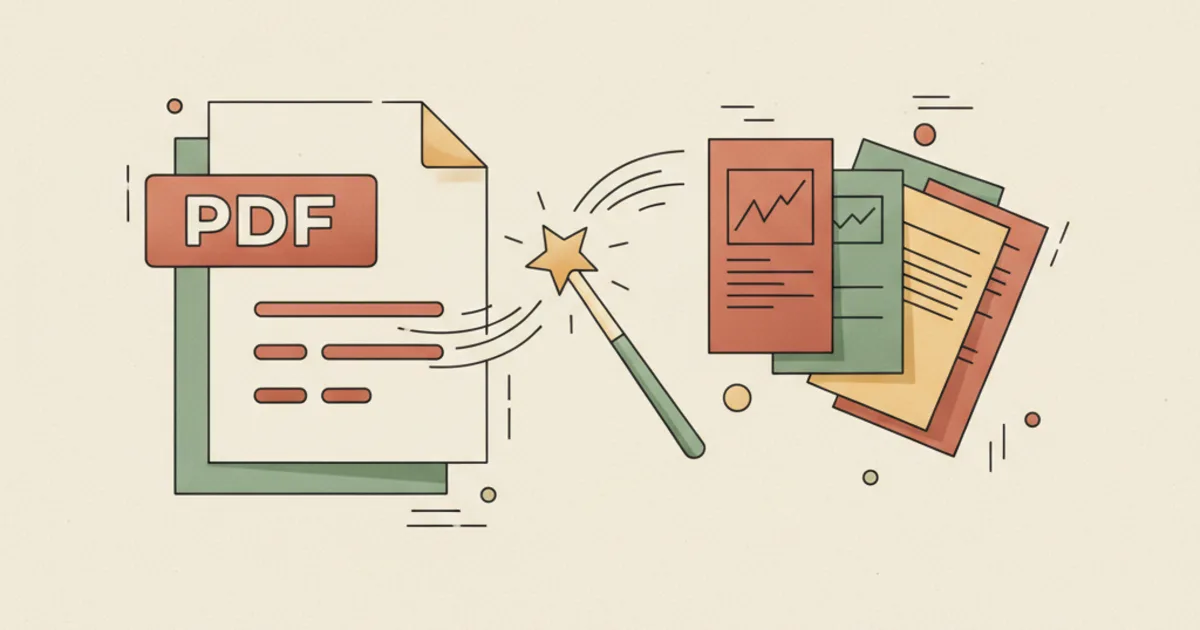
Why Converting PDFs to Flashcards Makes You Dumber (And What to Do Instead)
The goal isn't to automate studying. The goal is to eliminate the administrative overhead of studying so you can spend your cognitive capital where it matters: on understanding. And that's what.
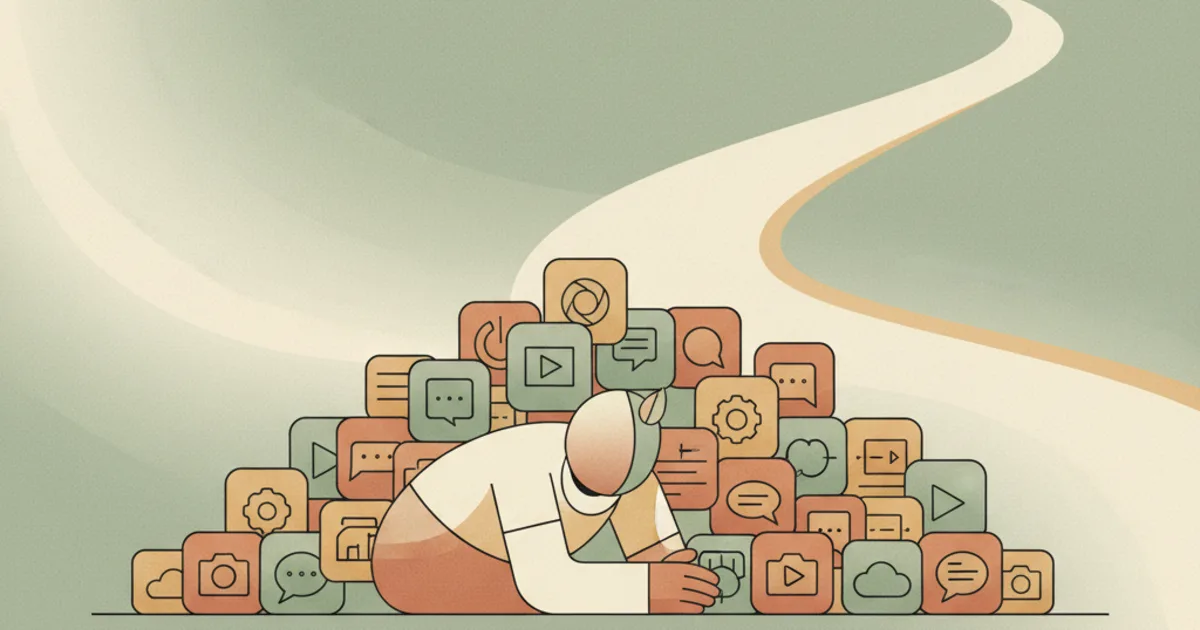
Study Tool Overload Is Holding You Back , Here's Why
The takeaway: Your GPA isn't suffering because you need another app. It's suffering because you're spending precious mental energy managing your system instead of using it. *Stop building a.
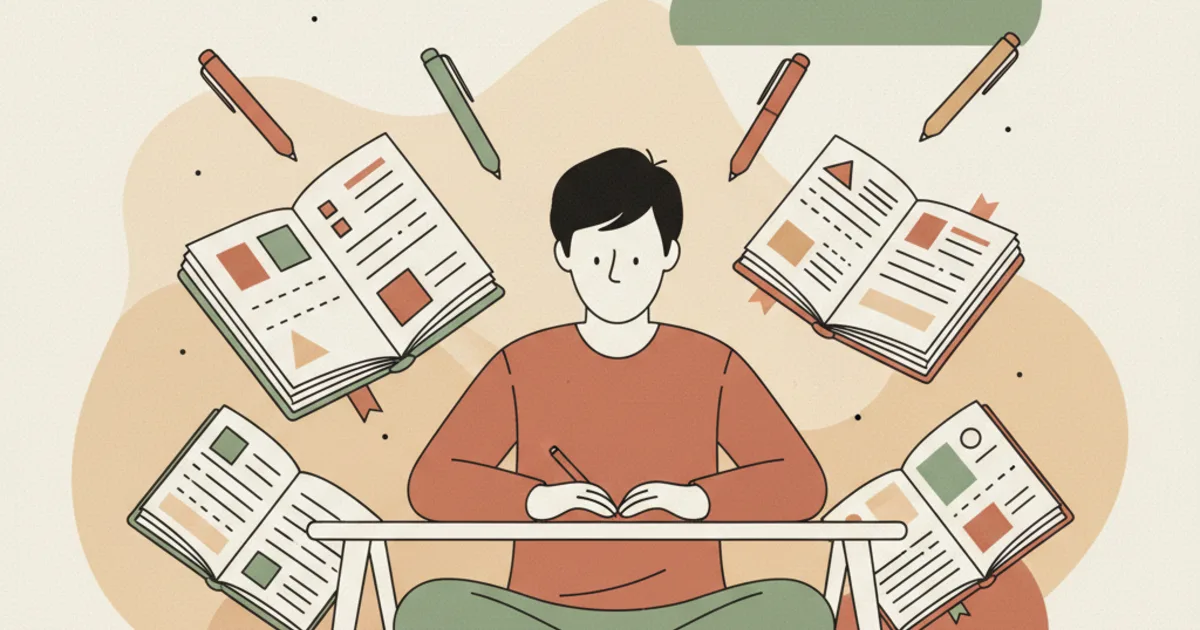
Best Note-Taking Methods for Students (That Actually Help on Exam Day)
Ready to stop re-reading and start remembering? Piply turns your study materials into active recall practice, automatically. No manual flashcard creation, no guessing what to review. Just the.
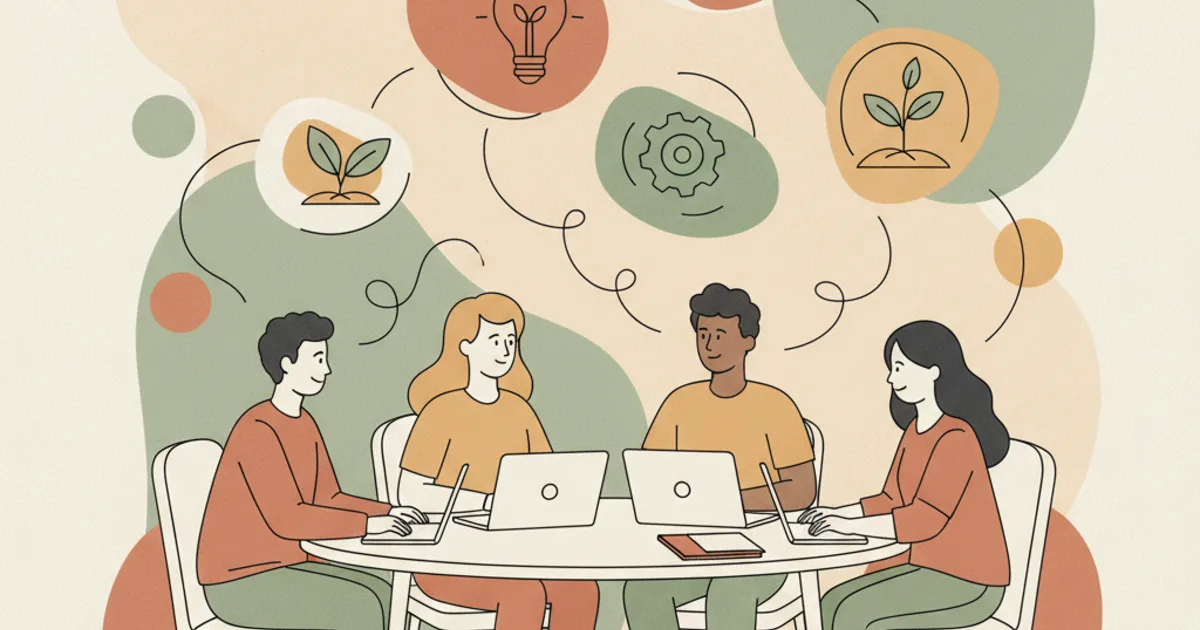
Study Group Tips That Actually Work (From Students Who've Been There)
*What works for your study group? Try implementing one of these tips this week and see the difference. And if you're tired of coordinating manually, Piply's study sessions handle the logistics so.
The Formula Memorization Trap (and What Actually Works)
This answers why the formula memorization trap (and what actually works) matters for students who want to actually remember what they study.
Active recall: what to do when you get stuck
Use checked answers, cues and explanations to choose your next step in active recall.
Rereading and active recall: choose your next study step
Combine reading, recall and checked answers to plan your next practice task.
The 7 Best Study Techniques Backed by Science (and Why Your Grades Still Suck)
The Problem: The 'Admin' of Studying is Killing Your Progress Most students fail to use these techniques because managing the systems becomes a full-time job. If you want to use spaced repetition.
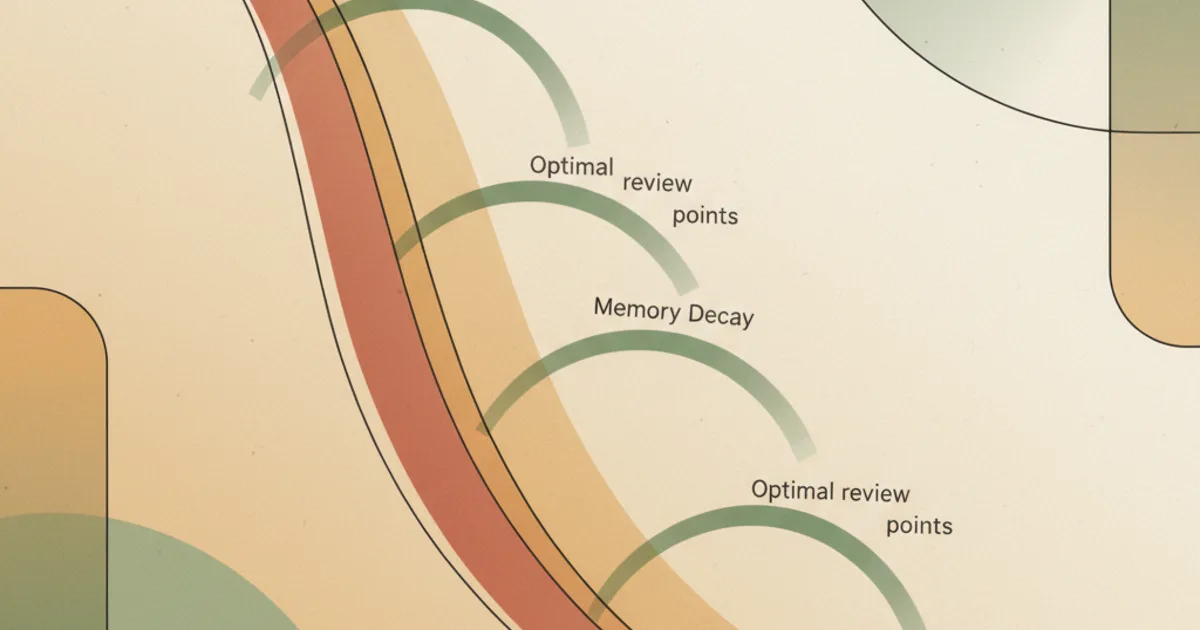
What is spaced repetition? A practical review routine
Learn what spaced repetition means and build a review routine with focused questions, answer checks and repeat visits.
7 Best Free Quizlet Alternatives in 2026 (Honest Comparison)
7 Best Free Quizlet Alternatives in 2026 (Honest Comparison) Quizlet is still one of the easiest study tools to recommend to a student who wants flashcards and nothing else. It's familiar, fast.
The Best Free Anki Alternative for Students in 2026 (Honest Comparison)
Try Piply's Anki Alternative For the longer product comparison, see the Anki alternative page.' trying if the setup cost keeps getting in the way.
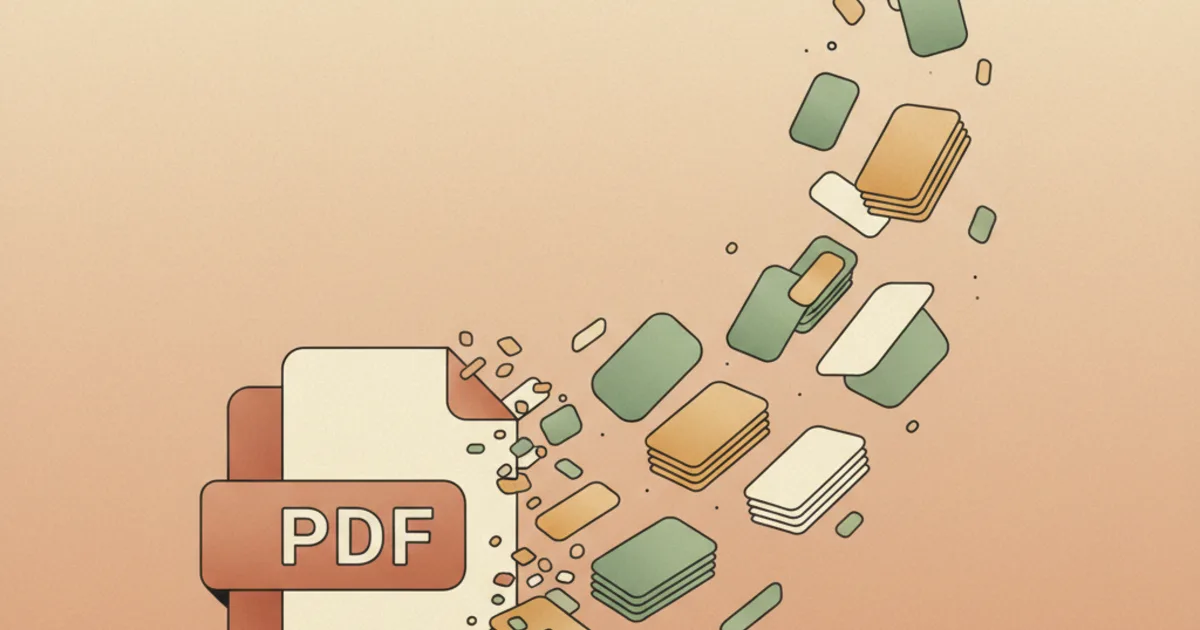
How to Turn a PDF into Flashcards Without Wasting Your Night
Convert PDFs to Flashcards with AI Ready to turn your lecture notes, textbook chapters, and PDFs into AI-generated flashcards in seconds? Try Piply's PDF to flashcards tool and start studying.' and then spending your energy on retrieval instead of formatting.
What Is Active Recall? Why Retrieval Practice Works Better Than Rereading
What Is Active Recall? Why Retrieval Practice Works Better Than Rereading Most students know the feeling of a study session that looks good from the outside. The chapter is highlighted. The notes.' to produce the answer from memory. That difficulty is exactly why it works.
Why We Built Study Sessions Instead of Another Solo Study Tool
Why We Built Study Sessions Instead of Another Solo Study Tool Most study products are built around content. How do we summarise faster? Generate better flashcards? Turn notes into quizzes? All.' person quietly doing the work too.
AI-Powered Personalized Learning: What It Is and What It Is Not
AI-Powered Personalized Learning: What It Is and What It Is Not 'Personalized learning' is one of those phrases that sounds impressive until you ask what it means. Sometimes it means something.' that changes based on what you actually miss.
Do AI Flashcards and Quizzes Actually Improve Memory?
Do AI Flashcards and Quizzes Actually Improve Memory? Students are right to be suspicious of any tool that promises to 'make studying effortless.' Learning isn't effortless. Still, there's one.' starting point, not the learning itself.
Top AI Study Tools for Students in 2026: What Each One Is Actually Good At
Top AI Study Tools for Students in 2026: What Each One Is Actually Good At Most lists of AI study tools read like affiliate pages wearing a hoodie. Everything is 'game-changing.' Every product is.' and some are best when you need your notes turned into practice fast.
How Teens Are Actually Using AI for Schoolwork in 2026
How Teens Are Actually Using AI for Schoolwork in 2026 The conversation around AI in education has changed fast. The old question was whether students would use it at all. That question is over..' real learning and which ones quietly replace it.
2026 Fitness Trends Students Can Actually Use
Most fitness trend lists miss student life completely. These are the habits worth keeping because they support energy, focus, mood, and consistency.
5 Study Techniques That Still Hold Up in 2026
5 Study Techniques That Still Hold Up in 2026 Students keep getting sold new study hacks every semester. Most of them are old ideas with better branding. The awkward truth is that the most.
Loneliness at School Is More Common Than It Looks
Loneliness at School Is More Common Than It Looks Loneliness is one of the strangest parts of student life because it can happen in the busiest environments. You can live in a dorm, sit in packed.' points to a few small moves that help more than most generic advice does.

The Study App That Replaces 50 Open Tabs and Actually Helps You Remember
This answers why the study app that replaces 50 open tabs and actually helps you remember matters for students who want to actually remember what they study.