Why Your Brain Hates Studying (And Why That Is Good News)
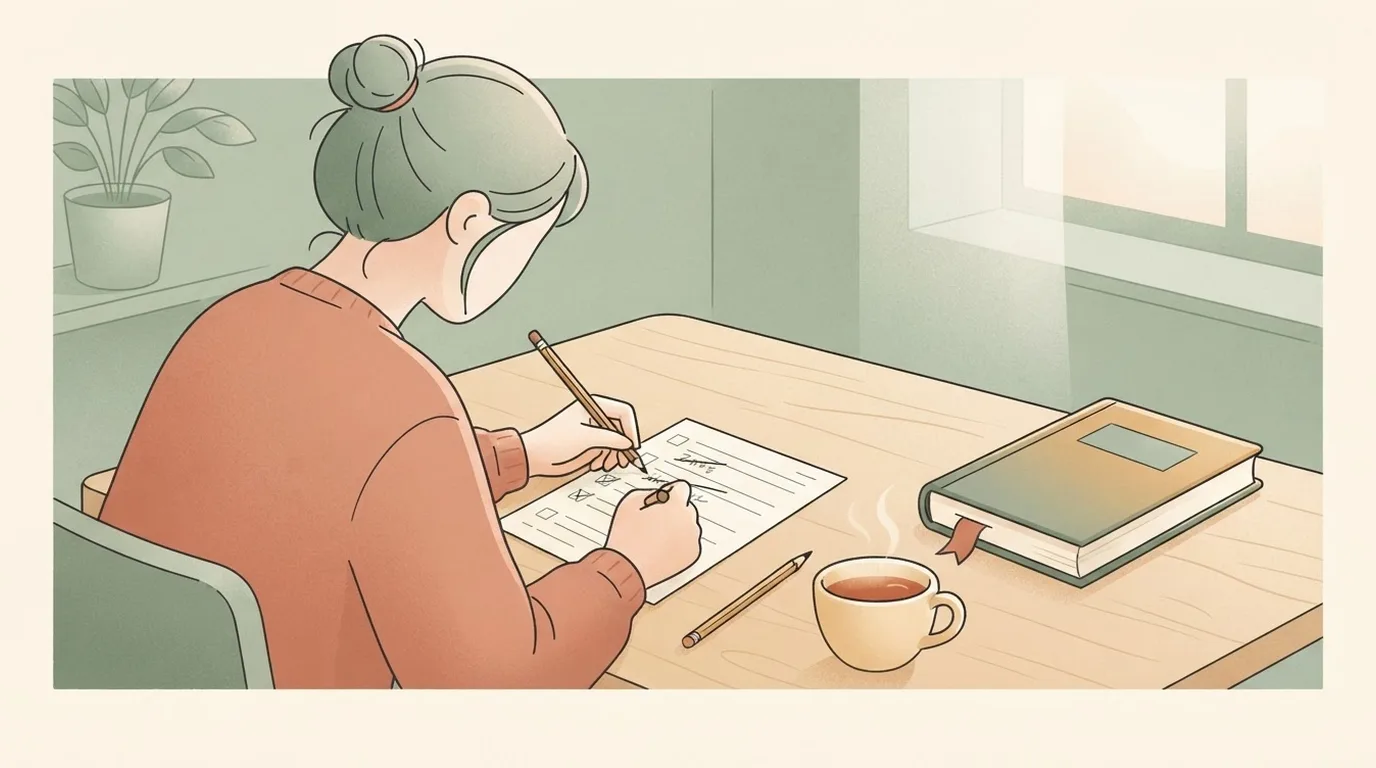
We have all been there. You sit down at your desk with your highlighter, a cup of coffee, and a pile of textbooks. You read a chapter three times. You highlight every third sentence. You feel productive. You feel like you have really absorbed the material.
Then, exam day arrives. You look at the questions, and your mind goes blank. The information you thought you knew so well has vanished.
This is the cycle of passive studying. It is the number one reason students struggle even when they spend hours in the library. If you feel like your studying is ineffective despite your best efforts, you are not alone. And more importantly, you are not failing because you lack intelligence. You are failing because you are using methods that fight against how your brain is actually built to learn.
The Illusion of Competence
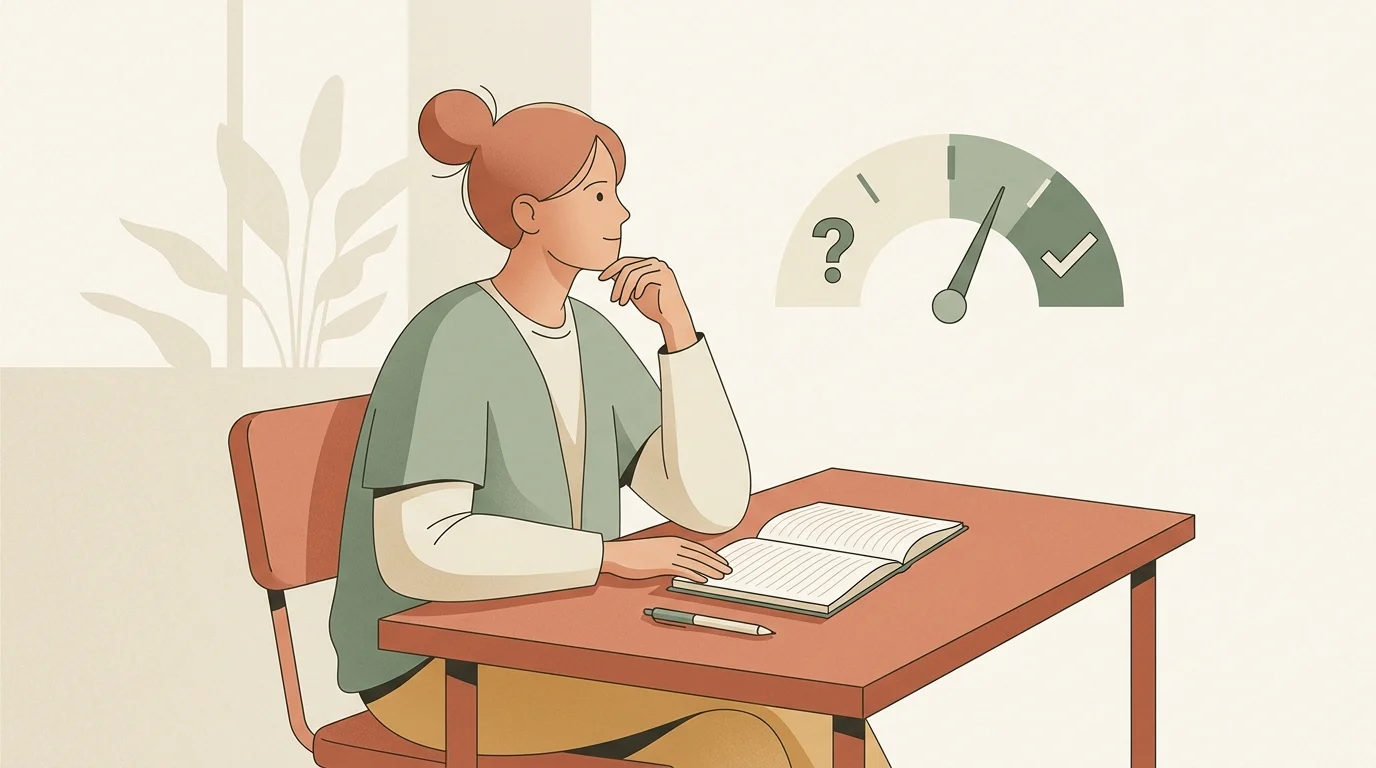
When you re-read your notes, you are falling into a trap called the illusion of competence. Because the words on the page are familiar, your brain tricks you into thinking you have mastered the concept. It is easy to recognize information when it is right in front of you. Recognizing is not the same thing as recalling.
Real learning does not happen when you put information into your head. Real learning happens when you force that information back out.
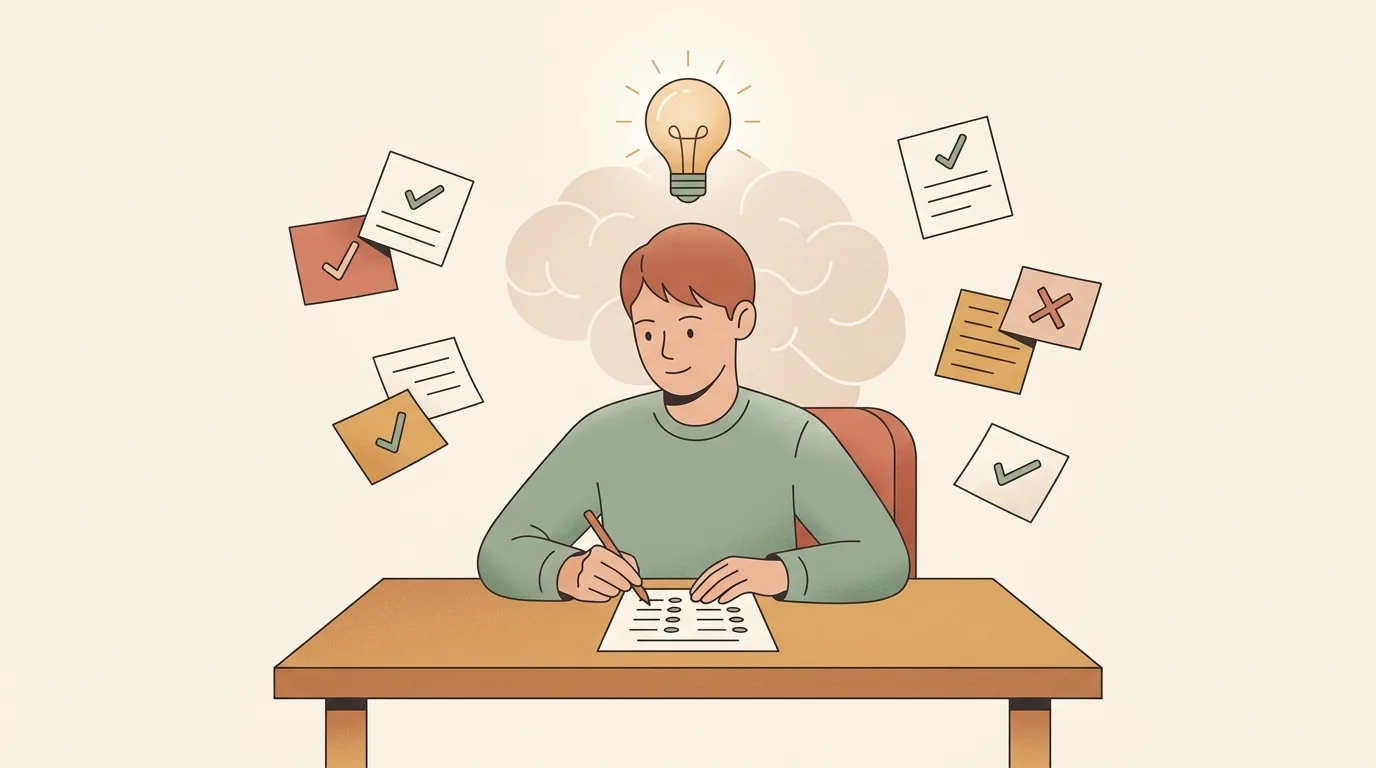
This is the power of active recall. It is the act of testing yourself, closing your books, and forcing your brain to retrieve answers from scratch. It is difficult. It is uncomfortable. It often feels like you are not getting anywhere because you have to work for every single thought.
But that discomfort? That heavy, straining feeling in your mind? That is the sound of neural pathways being forged. That is growth.
Embracing the Discomfort
We live in a world that sells us on "hacks" and "ease." We want to absorb textbooks by osmosis. We want the fastest way to memorize a syllabus. Science, however, tells a different story. Research into memory consistently shows that the effort involved in retrieving a memory is exactly what strengthens it.
If you are studying and you feel perfectly comfortable, you are almost certainly not learning as much as you could be.
The next time you are preparing for a difficult exam, I challenge you to change your workflow. Stop re-reading your notes. Stop organizing your folders. Stop highlighting pages until they are neon yellow.
Instead, try these three simple shifts:
The Question-First Strategy. Before you even open your learning materials, write down three questions you hope to answer by the end of the session. Keep those questions in front of you. When you finish, close the material and try to answer them without looking.
Wait for the Retrieval. When you are testing yourself with a flashcard or a practice question, do not jump to the answer immediately. If you are stuck, sit with that feeling of not knowing for at least thirty seconds. That stretch of time where you are struggling to find the connection is the most valuable part of your study session.
Output Over Input. Your brain is not a storage unit. It is a processor. Spend less time feeding it information and more time asking it to explain what it knows back to you. If you cannot explain a concept in simple terms without your notes, you do not actually know it yet.
Moving Toward Mastery
This is the foundation of everything we build at Piply. We believe that learning should not just be passive consumption. It should be an active, challenging, and rewarding process. When you switch from "consuming" information to "retrieving" information, you stop being a student who just accumulates facts and start being a scholar who masters concepts.
The exam blueprint is evolving. In 2026 and beyond, we are seeing a massive shift across professional fields, from medicine to law, where the emphasis is moving away from brute memorization and toward clinical reasoning. You can no longer rely on memorizing lists of facts. You must be able to understand the material well enough to apply it in complex, new situations.
That kind of mastery is only possible through active recall.
It takes practice. It will feel harder than just reading through your textbook again. But the results will be clear. You will find yourself not just passing exams, but truly understanding the material you study.
Learning is supposed to be hard. That is why it works.
If you are ready to stop wasting time on passive study habits, start small today. Pick one concept, set aside your notes, and force your brain to do the work. It will be uncomfortable. It will be challenging.
And you will never regret it.
Ready to try Piply?
Turn this article into your reality. Start studying faster today.
Get Started for Free