Piply Logo
Piply
study-tips

The Spacing Effect: Why Distributed Practice Beats Cramming Every Time

The Spacing Effect: Why Distributed Practice Beats Cramming Every Time

You know that feeling. Finals week looming. Material piling up. You have two choices: pull an all-nighter, re-reading everything until your eyes glaze over, or spread your studying across several shorter sessions over days or weeks.

The research is uncomfortable for crammers. Distributed practice wins. Not by a little. By a lot.

The Forgetting Curve Nobody Taught You

In the 1880s, Hermann Ebbinghaus memorizing nonsense syllables discovered something unsettling. He tested himself on lists he'd already learned and watched his memory decay over time. The forgetting curve was steep. Within days, he'd lost most of what he'd "learned."

But here's what he noticed next: when he re-studied material just as he was about to forget it, the forgetting curve flattened. The act of relearning something strengthened memory far more than initial learning did.

This observation sat dormant in psychology journals for over a century. Then researchers started testing it rigorously.

Nicholas Cepeda and colleagues analyzed 317 experiments across 184 articles in their 2006 meta-analysis, published in Psychological Bulletin. They found that distributed practice produced substantially larger long-term retention than massed practice. The benefits held across different types of material, ages of learners, and testing conditions.

The effect wasn't marginal. It was substantial.

Why Spacing Works: The Mechanics

Here's what happens in your brain when you space out your practice.

During initial learning, you form connections between neurons. These connections are fragile at first. Sleep helps consolidate them, but without periodic retrieval, they fade. Spaced practice interrupts that fade. When you return to material after a gap, you force your brain to reconstruct the memory. That effort, that struggle to recall, is what strengthens the neural pathways.

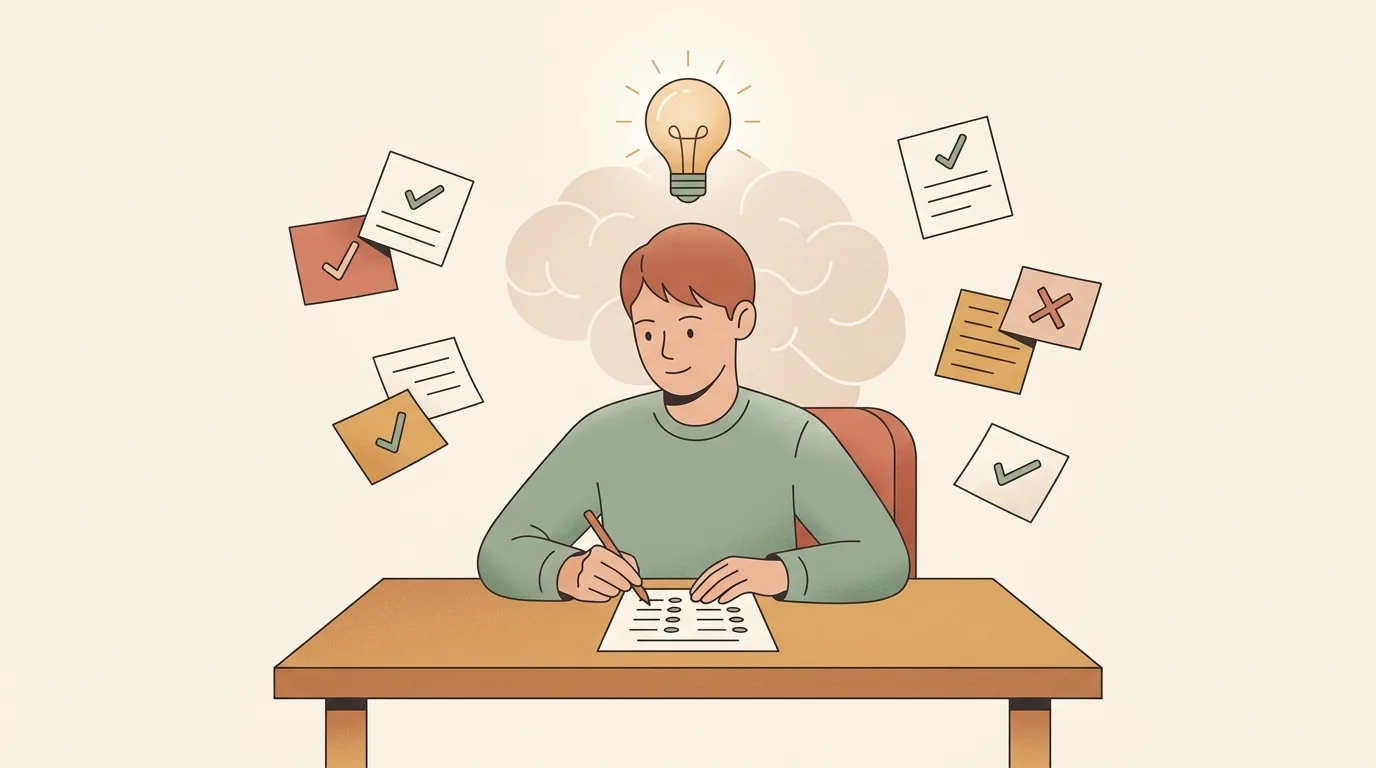
This is called the "testing effect" or "retrieval practice" and it pairs beautifully with spacing. Roediger and Karpicke demonstrated in their 2006 study in Psychological Science that students who tested themselves during study sessions retained significantly more than those who simply re-read material. Testing forces retrieval. Spacing creates opportunities for retrieval.

The gap matters too. Too short, and your brain doesn't have to work hard enough. Too long, and you're re-learning more than reviewing. The "ideal" spacing interval expands over time. You might review something after one day, then three days later, then a week later, then two weeks. Each successful retrieval extends the interval.

What This Looks Like in Real Life

Let me give you a concrete example.

Say you're learning organic chemistry reactions. With massed practice, you might spend six hours on Saturday reviewing all reaction types. With spaced practice, you might spend 90 minutes on Saturday covering one section, 60 minutes on Tuesday reviewing that section plus a new one, 45 minutes on Friday attempting to recall Saturday's material before learning new content, and so on.

The total study time might be similar. The results aren't.

Bahrick and colleagues showed this in a 1993 study on Spanish vocabulary retention. Students who distributed their practice over years maintained their skills far better than those who crammed and didn't review. Some of them still performed well on grammar tests decades later. (The cramming group? Their skills had largely vanished.)

This isn't about spending more time. It's about spending time differently.

The Effort Problem

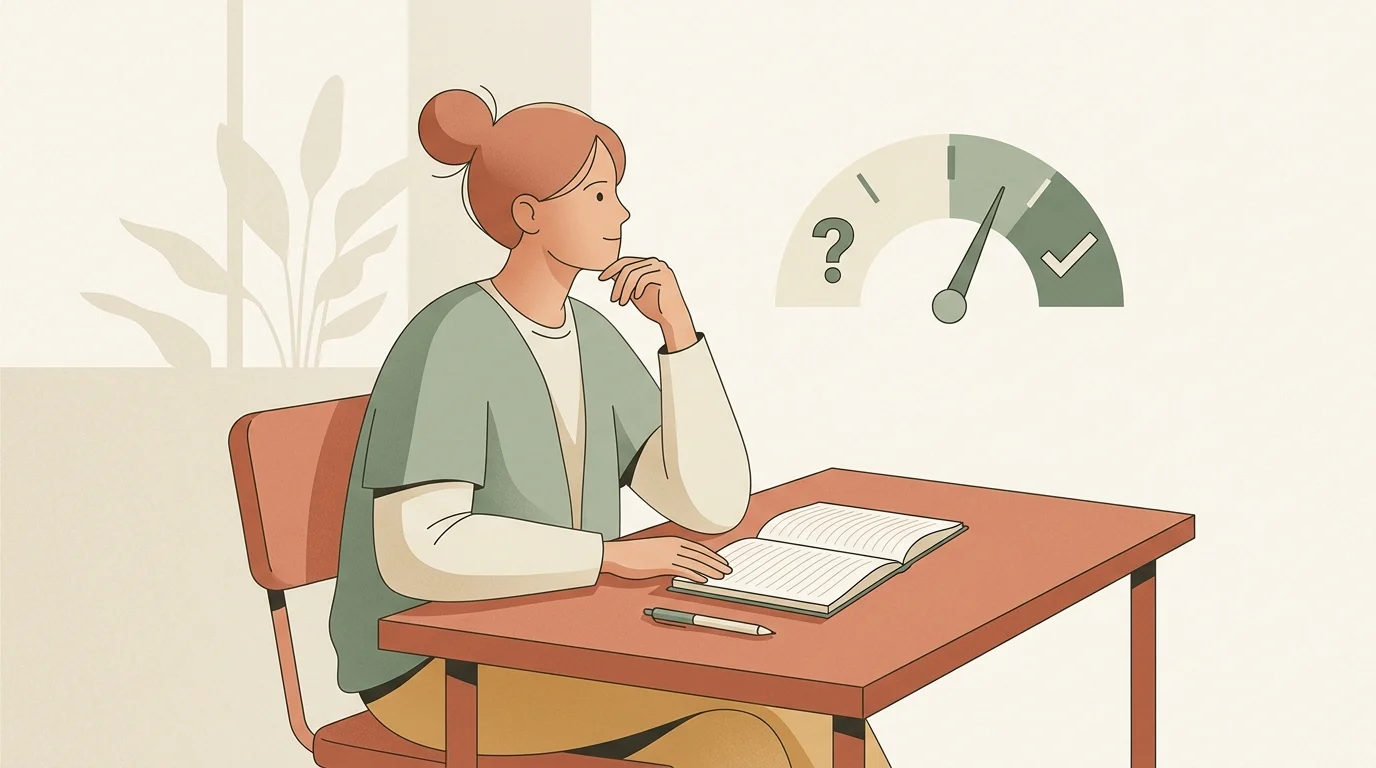
Here's the catch. Spaced practice feels harder in the moment. Re-reading is comfortable. Familiarity lulls you. But retrieval, trying to recall without looking, is effortful. It triggers mild frustration. That discomfort is actually the mechanism working.

Your brain is building something. It takes work.

This is why students often don't adopt spaced practice voluntarily. The short-term experience feels worse even though long-term retention improves. You have to trust the process even when it doesn't feel effective.

The solution isn't to white-knuckle through discomfort. It's to design your practice so the effort is sustainable. Short sessions. Clear targets. A system that reminds you what to review and when.

How to Use This

Start with a simple system you can actually maintain.

  1. Choose one course or subject. Pick where you'll test this for two weeks. Don't try to redesign your entire study habits at once.

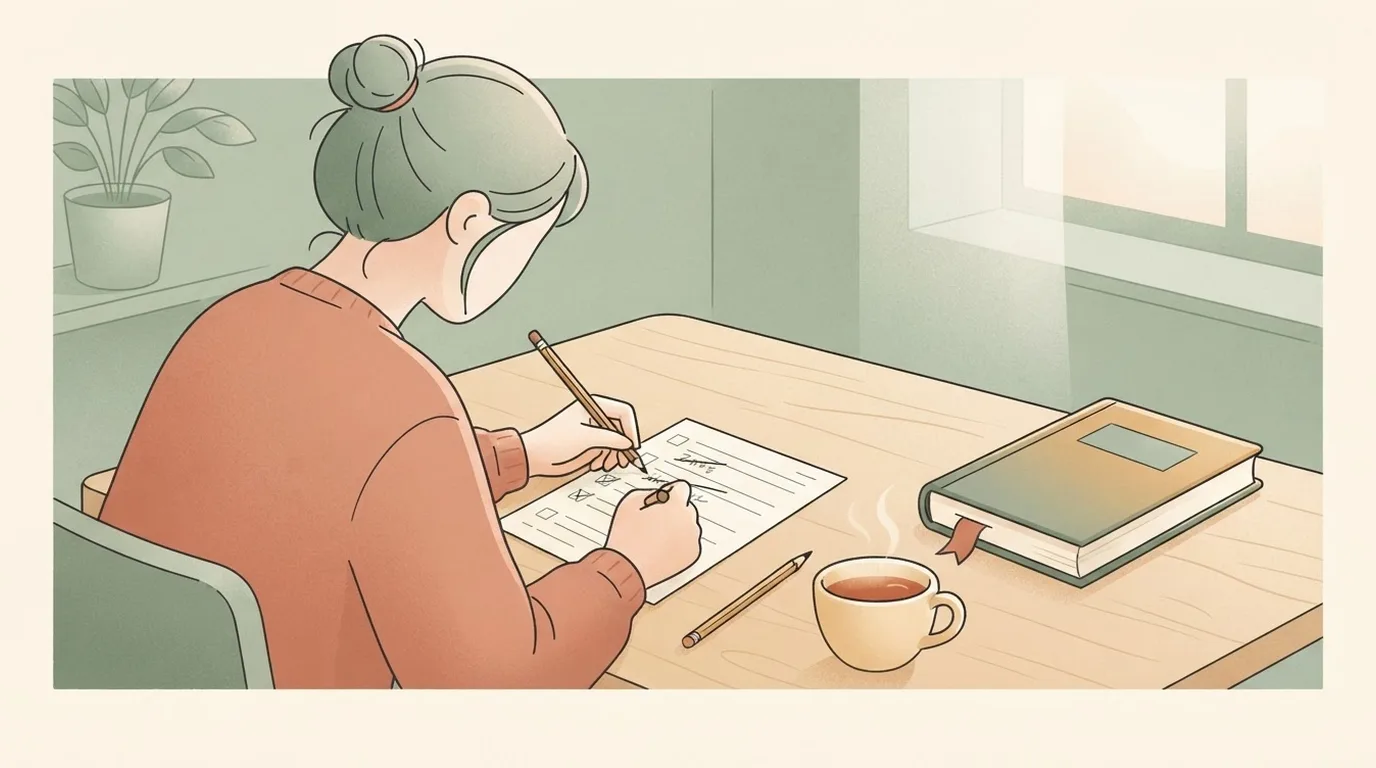
  2. Create a review schedule before you need to review. After each study session, note what you covered. Set a calendar reminder for when you'll return to it. Day one. Day three. Day seven. These intervals can flex based on how easily you recall the material.

  3. Retrieve before you re-read. When you sit down for a review session, close your notes. Try to write down or explain everything you remember from the previous session. Only look at your notes after you've exhausted your memory. That gap, that struggle, is the work.

  4. Use flash cards or practice problems as retrieval tools. These force recall more effectively than re-reading. Apps like Anki space the review automatically based on your performance.

  5. Track what you've covered. A simple spreadsheet or notebook page listing topics and last-reviewed dates helps you see patterns. It also provides a small satisfaction boost when you see how much you've spaced out.

  6. Be realistic about your energy. If you're exhausted, a 20-minute retrieval session beats skipping study entirely. Consistency over intensity.

The Honest Trade-off

Cramming has one genuine advantage. It works well enough for material you'll never need again. A pop quiz in a course that doesn't connect to anything else? Cram away.

But most of what you study matters because it connects forward. Prerequisites for other courses. Skills you'll apply in labs, in clinics, in real work. For anything you need to retain long-term, the evidence points one direction.

Distributed practice takes patience. It asks you to resist the comfort of re-reading and embrace the productive struggle of retrieval. The gains are real.

Have you ever noticed yourself remembering something from years ago that you wished you'd forgotten? That happens because meaningful, spaced encounters with material leave marks. What you choose to practice matters as much as how you practice.

Ready to try Piply?

Turn this article into your reality. Start studying faster today.

Try Piply for Free