 iOS App
  Android App
 Study tips
The Pretesting Effect: Try Questions Before Learning the Answers
Piply Team
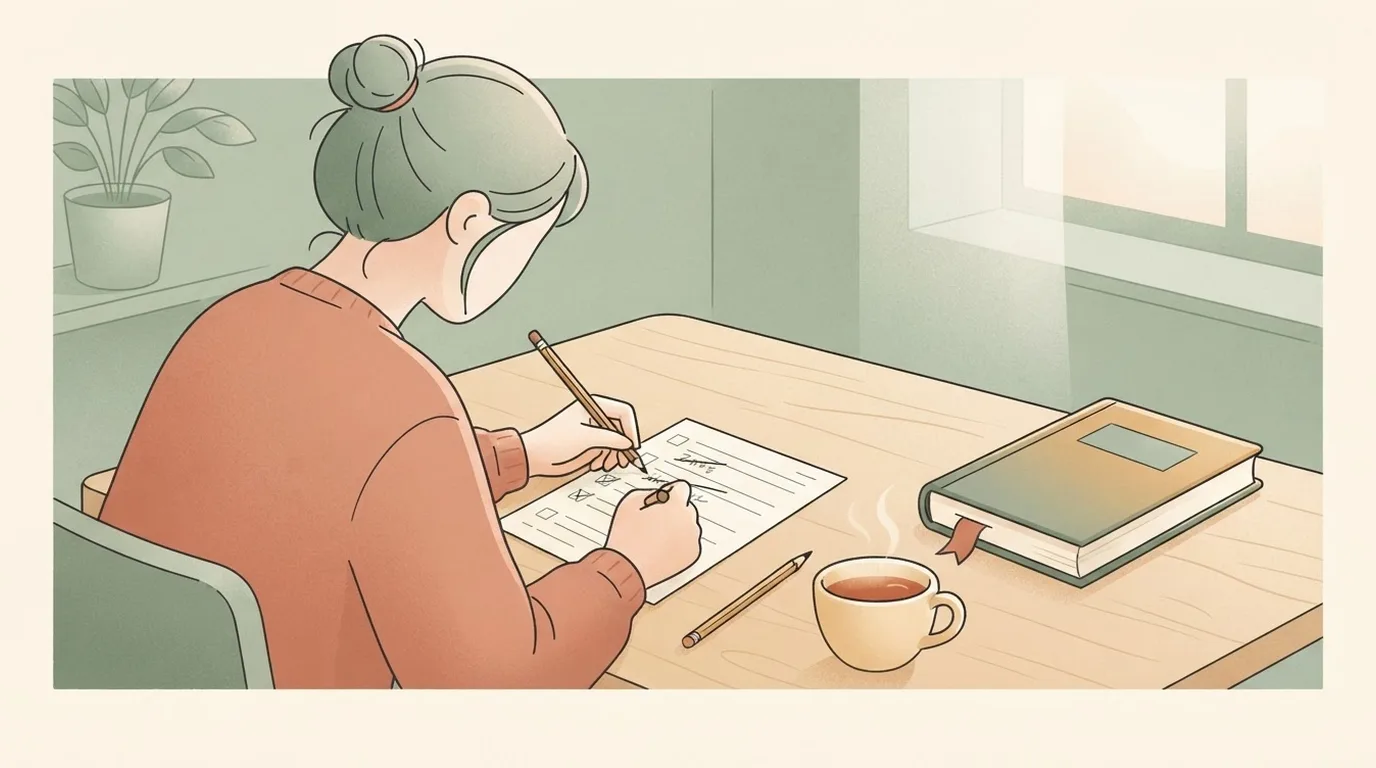
Ask a question before reading
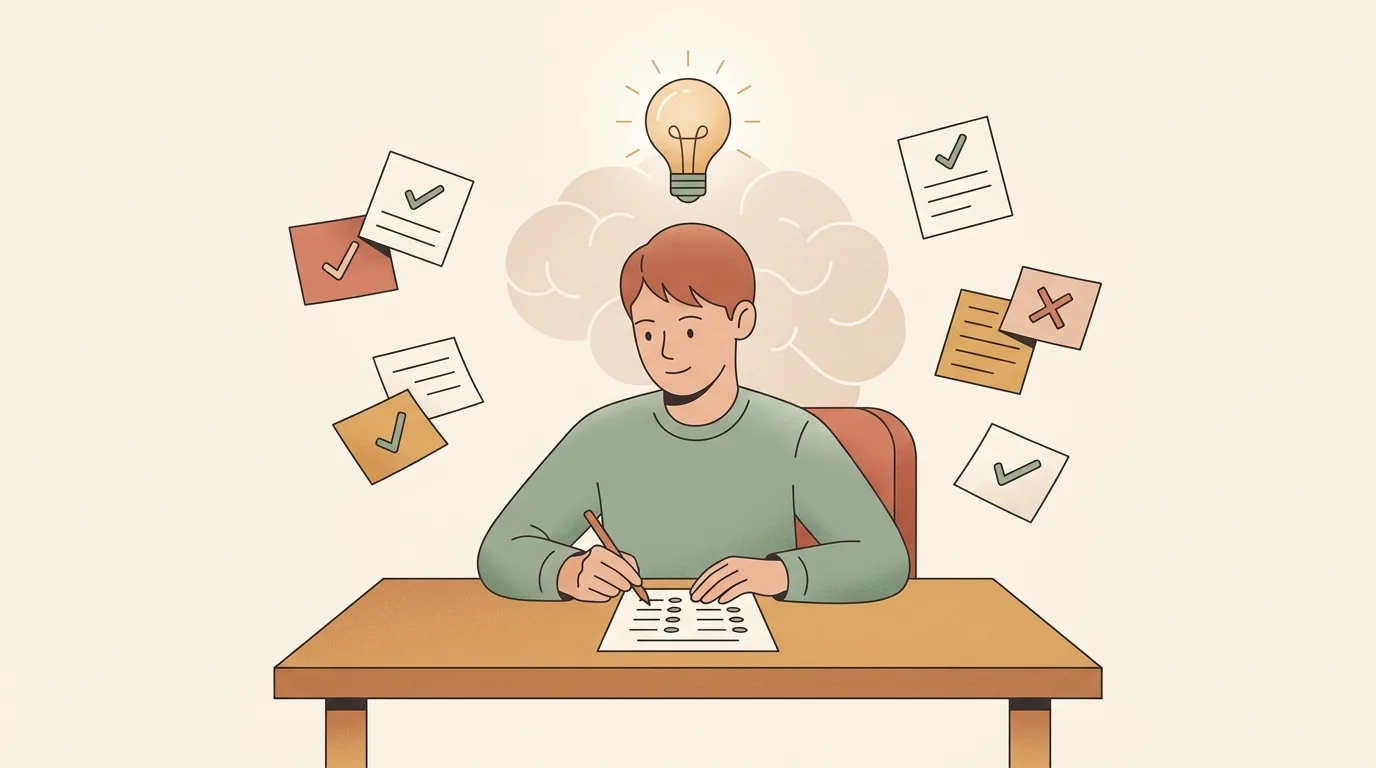
Pretesting means attempting questions about material before studying the answers. You might try explaining a term before reading the section that introduces it, then compare your explanation with the text. The point is to follow the attempt with accurate learning, not to collect incorrect guesses.
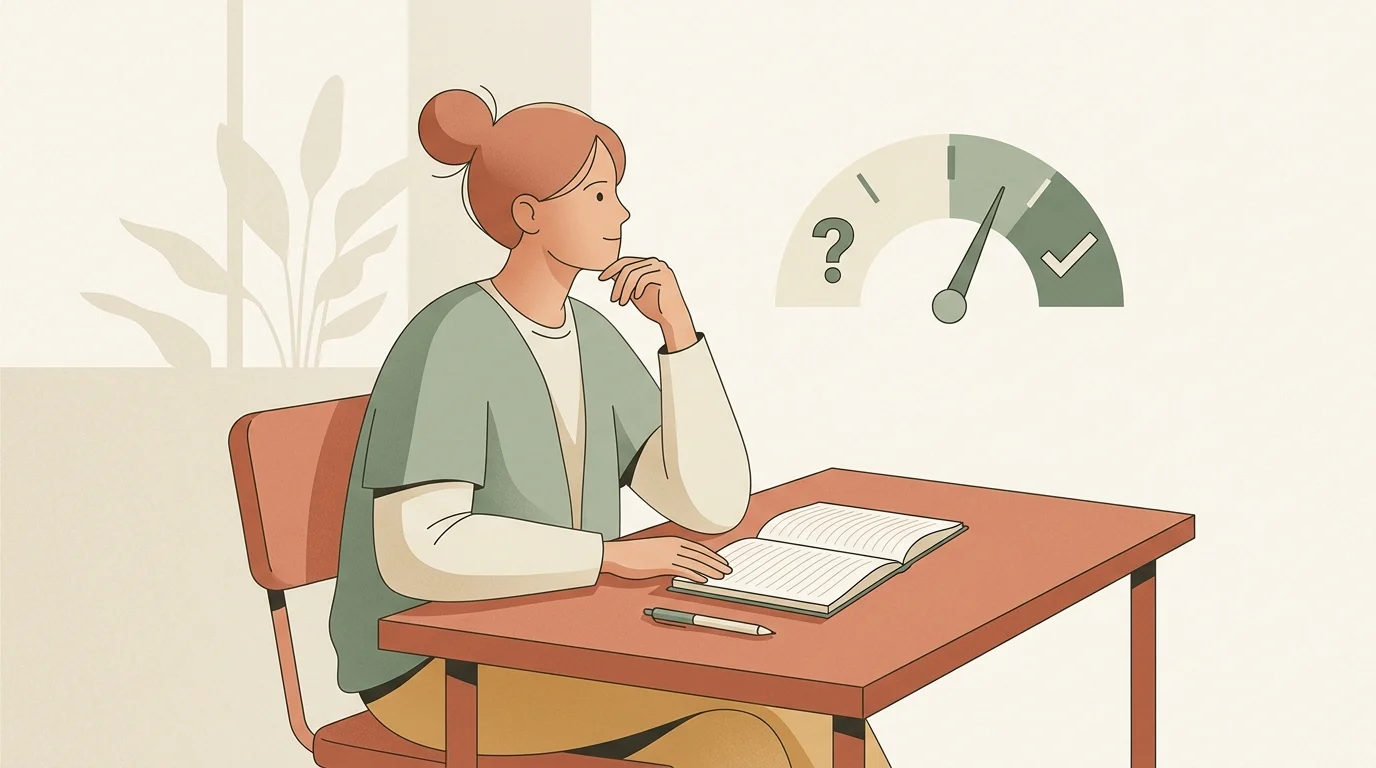
A pretest can also show you which questions remain open. If you have no basis for an answer, record that uncertainty and move to the explanation. You do not need to invent a confident answer or treat discomfort as evidence that a method is working.
What the research found
In Richland, Kornell and Kao's 2009 experiments, participants attempted questions before reading an essay about vision. They later remembered answers to the pretested questions better than participants given extra reading time, even when the initial answers were incorrect. This finding concerns the tested material and the subsequent opportunity to learn its correct answers.
Pan and Carpenter's 2023 review describes benefits across several materials and procedures, alongside important limits. Results for information that was not pretested are mixed, and the material and final test format can affect the outcome. Several explanations have been proposed; there is no single established brain mechanism behind every benefit.
These findings do not mean any wrong guess makes a whole chapter easier to learn, or that pretesting guarantees understanding and transfer to new problems.
Try a short attempt and a checked answer
- Choose a few relevant questions whose answers are available in your reading, lesson or another reliable source. Leave enough time to study the material itself.
- Try answering from what you currently know. Mark guesses and uncertainty so you can distinguish them from information you have checked.
- Study the explanation and compare it with your attempt. Correct mistakes and seek help if the answer or reasoning remains unclear.
- Return later without the explanation in view and check what you can answer. Include questions about other important material and, where relevant, an application problem.
Adjust the approach if the questions are confusing or distract you from the lesson. There is no required five-minute ratio, target error rate or universal review interval in this example. Pretesting is one possible starting activity, not a replacement for instruction or later practice.
Prepare questions with Piply
You can paste source text into Piply's active recall quiz tool to generate practice questions. Check that each question and proposed answer matches your source before relying on it. Generated multiple-choice questions are not automatically equivalent to the questions used in a research study. Keep the source available for the learning and correction stage.
Put the ideas into practice
Use Piply to organize materials and practise what you’re learning.
Try Piply