The Silent Killer of Your GPA: Why You Are Stuck in the Passive Review Trap
We have all been there. It is 11:00 PM, four days before the final exam. You are sitting at your desk with your highlighter in one hand and your textbook open to chapter seven. You read the paragraph on cellular respiration, highlight the key terms in bright yellow, and nod to yourself. It makes sense. You understand it. You feel like you are learning.
But I have a hard truth for you: you are not learning. You are simply recognizing. And that is the trap that kills GPAs before the exam even starts.
The Illusion of Competence
When you re-read your notes or highlight textbook passages, your brain encounters familiar information. That sense of familiarity is a trick. It feels like mastery because the information is right there in front of you. You look at it, you know what it means, and you move on.
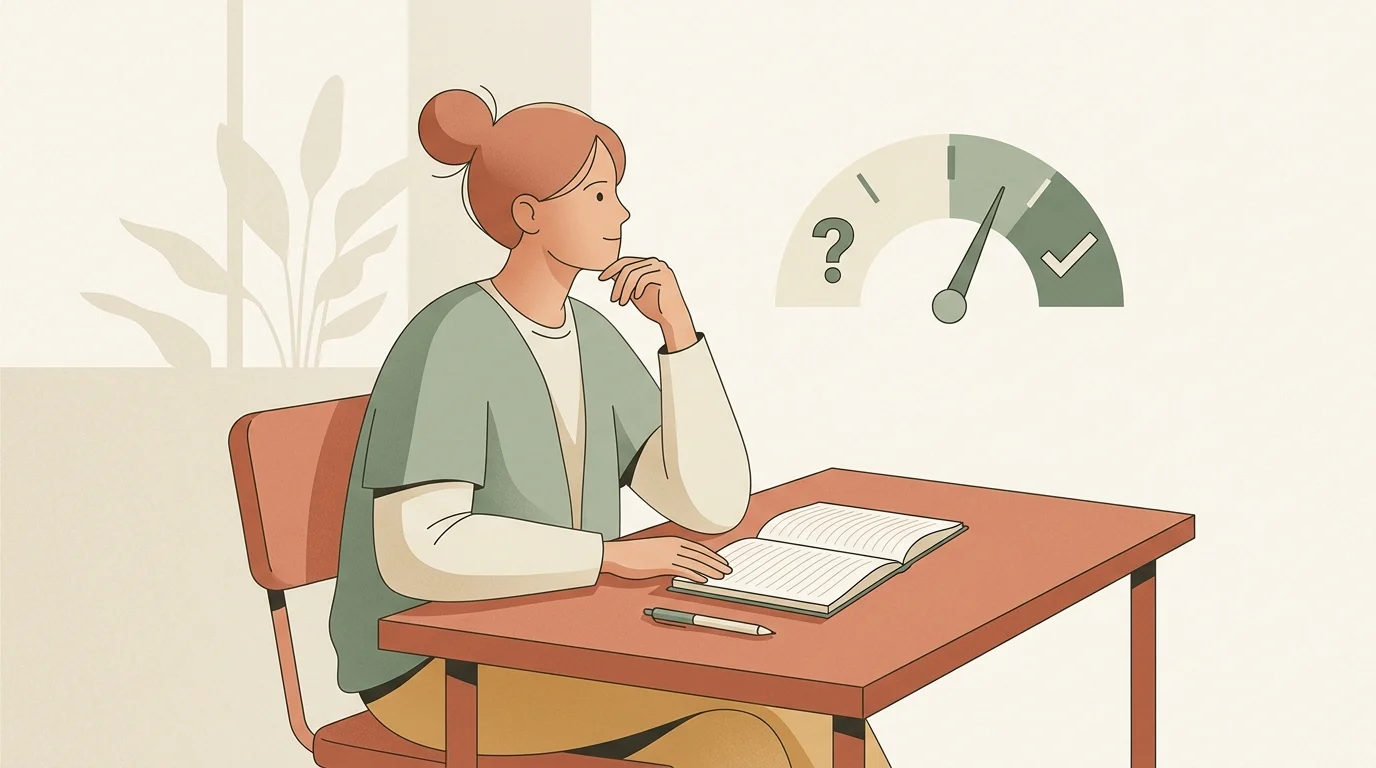
Psychologists call this the illusion of competence. You recognize the information, so your brain assumes you have stored it in your long-term memory. But recognition is not the same as recall. Recognition is passive. You only need to see the words to understand them. Recall, on the other hand, is active. It requires you to pull the information out of your brain without looking at the material.
If you cannot explain a concept to a five-year-old without peaking at your notes, you do not know it. You have merely identified it.
Why Active Recall Scares Us
If passive review is so ineffective, why do we keep doing it? Because it is comfortable. It is easy work. It does not tax our brain in the way that true learning requires.
True learning is hard. It feels like pulling teeth to try to remember a definition or a concept from scratch. When you struggle to recall something, your brain is actually building stronger neural pathways. That feeling of mental friction? That is your brain growing. Most students retreat from that friction. They crave the safety of re-reading because it keeps their ego intact. They want to feel smart right now, so they choose the method that makes them feel smart, even if it leaves them empty-handed on exam day.
The Science of Retrieval
The science is settled. Decades of research show that retrieval practice, or active recall, is the single most effective way to store information in long-term memory.
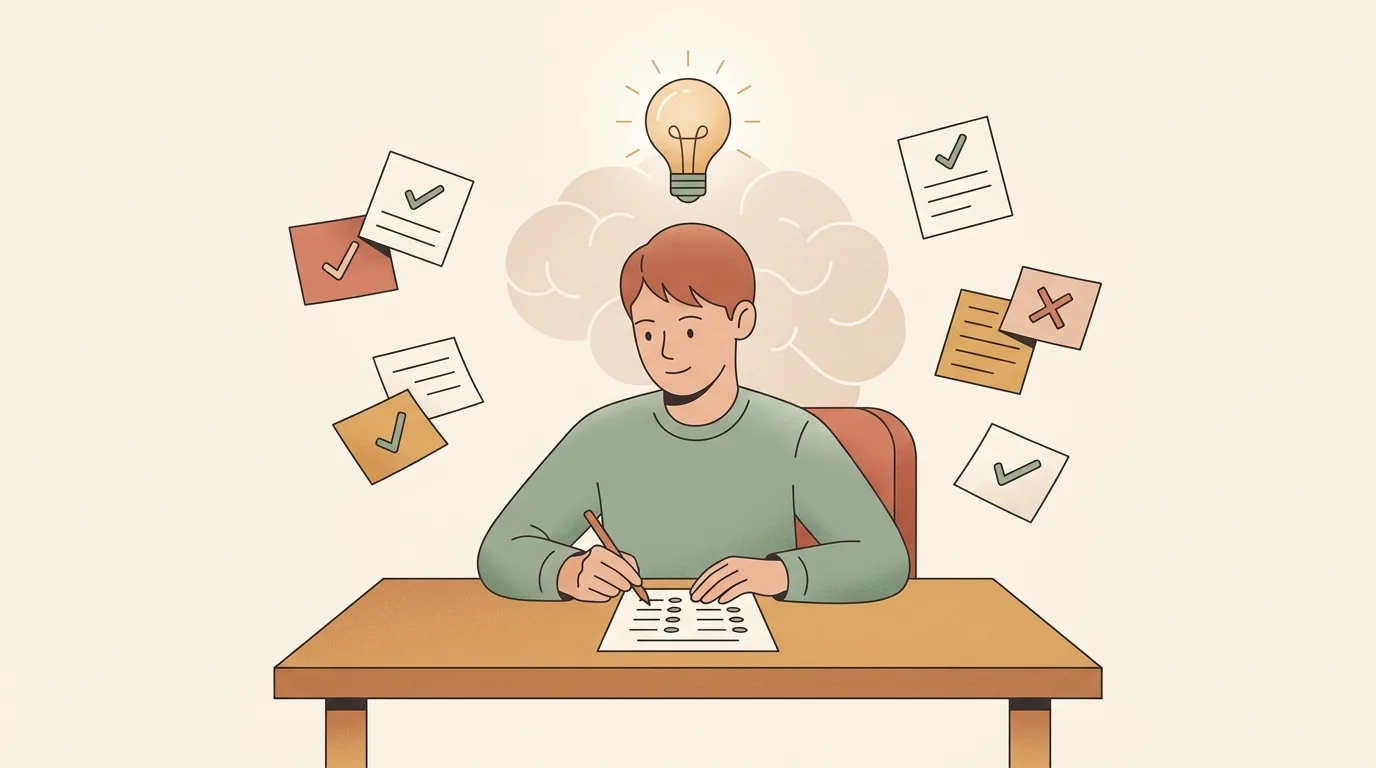
When you force your brain to retrieve a fact, you are effectively testing yourself. This testing process creates much more robust memory traces than simply inputting information through reading or listening. Every time you struggle to remember, you make the memory easier to access the next time.
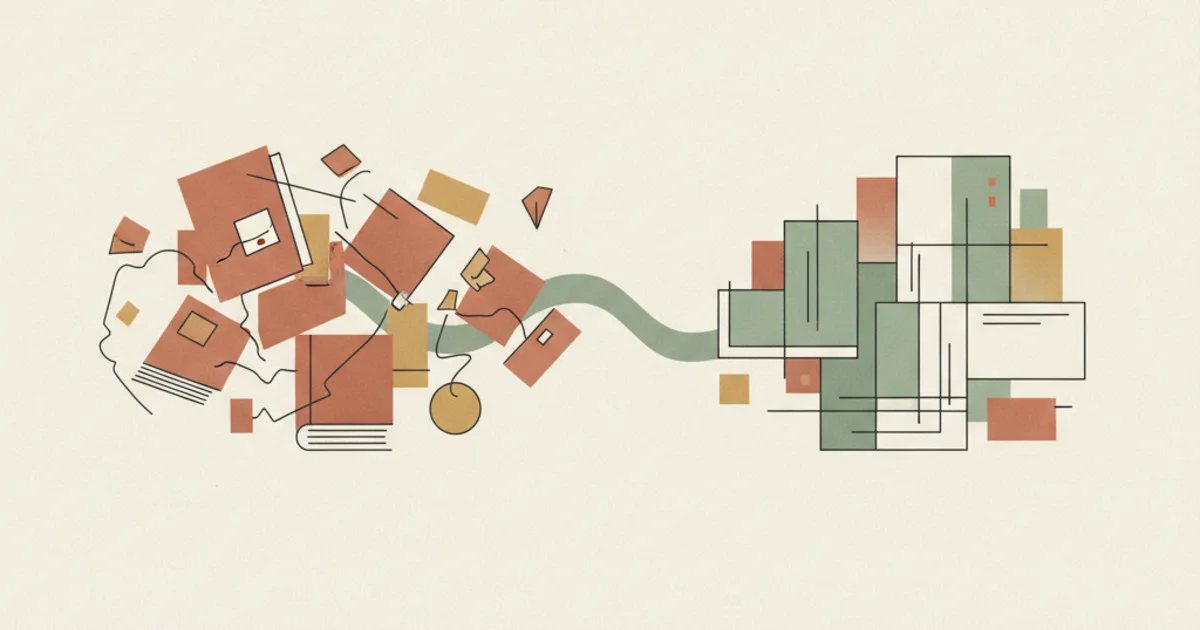
This is the foundation of Piply.ai. We built this platform because we saw too many brilliant students working incredibly hard but using the wrong tools. We wanted to transform that passive "review" time into an active, high-leverage session.
Breaking the Habit
How do you stop being a passive student today? It starts with changing your workflow.
- Stop highlighting. If you highlight everything, you highlight nothing. It is a time-waster that gives you a false sense of security.
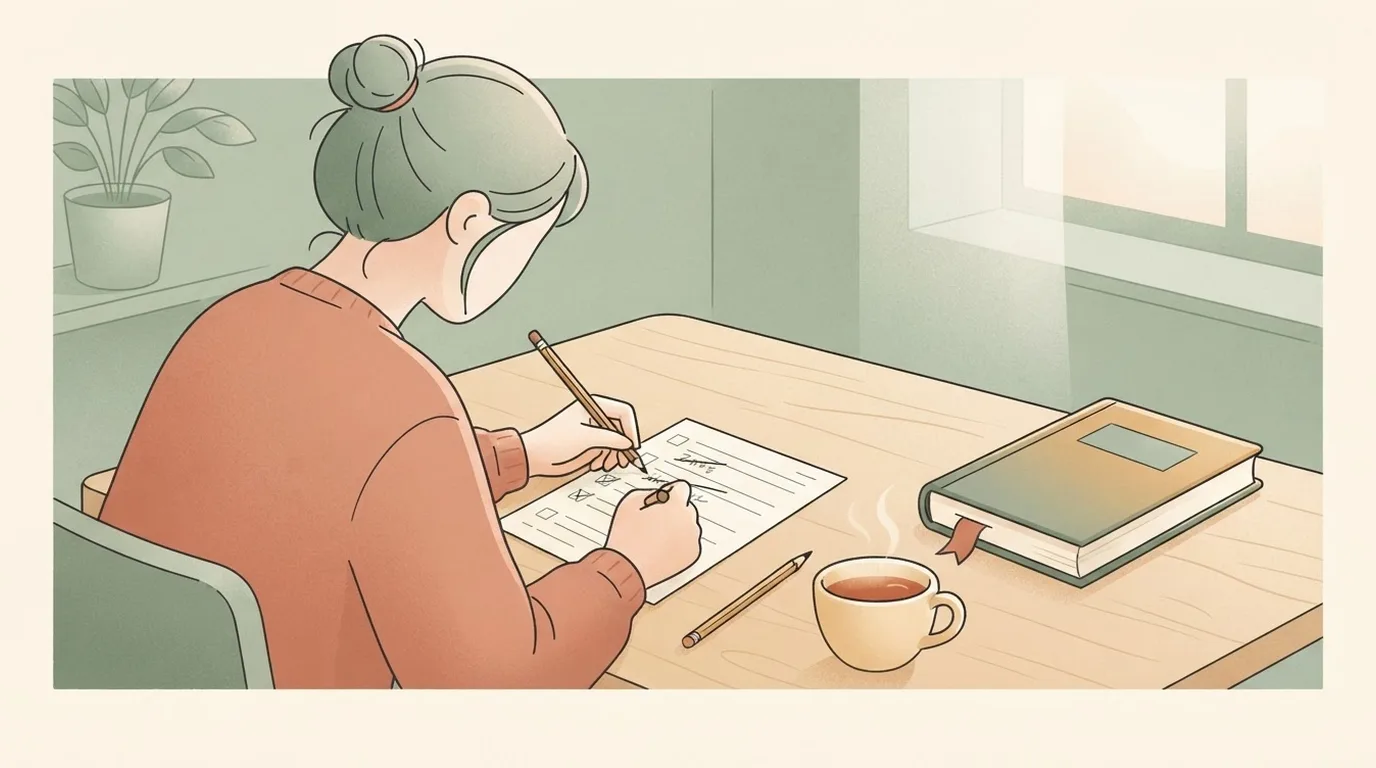
- Put the book away. After you read a page or watch a lecture, close everything. Ask yourself, "What did I just learn?" and write it down.
- Use the Feynman Technique. Try to explain the concept in your own words. If you get stuck, that is your map. You now know exactly what you do not know.
- Scale with tools. Use software that automates the generation of flashcards or retrieval questions from your course materials. You do not need to spend hours making flashcards by hand. Get the machine to do the heavy lifting so you can focus on the struggle of recall.
Empathy for the Grind
I know this approach sounds exhausting. I know you are tired. You have a full course load, maybe a job, and a social life. The idea of adding more "hard" work to your study sessions can feel overwhelming.
But here is the perspective shift: Active recall actually saves you time in the long run.
Think about how many hours you spend cramming, re-reading, and worrying. Then think about how many hours you lose because you failed to internalize the material the first time. If you move toward active recall, you can spend less time overall. You can study for an hour, do it properly, and be finished. You get your free time back because you stop repeating the same passive work over and over again.
The First Step
You do not need to change your entire study routine overnight. Start small. Pick one subject. Instead of reading the next chapter, try to recall the key points from the last one.
The friction is okay. The frustration is the signal that you are leveling up. Embrace the struggle. Your future self will thank you when exam day finally arrives, and you walk in feeling prepared, confident, and calm.
You have the potential to master this. Stop being a passive observer of your own education. Start being the driver.
About the Author
Andy Anderson is the lead strategist here at Piply.ai. He spends his days rethinking how we can turn standard study materials into powerful memory tools. When he is not working to help students reclaim their time and grades, he is likely hiking or deep-diving into the latest educational psychology research.
Ready to try Piply?
Turn this article into your reality. Start studying faster today.
Get Started for Free