Piply Logo
Piply
study-tips

Retrieval Practice: The Science Behind Why Testing Yourself Works

Retrieval Practice: The Science Behind Why Testing Yourself Works

Retrieval Practice: The Science Behind Why Testing Yourself Works

You already know that feeling. You reread a chapter three times, highlight half the page, flip through your notes until they're dog-eared and soft. Then the exam comes. And you blank.

The problem isn't memory. The problem is method.

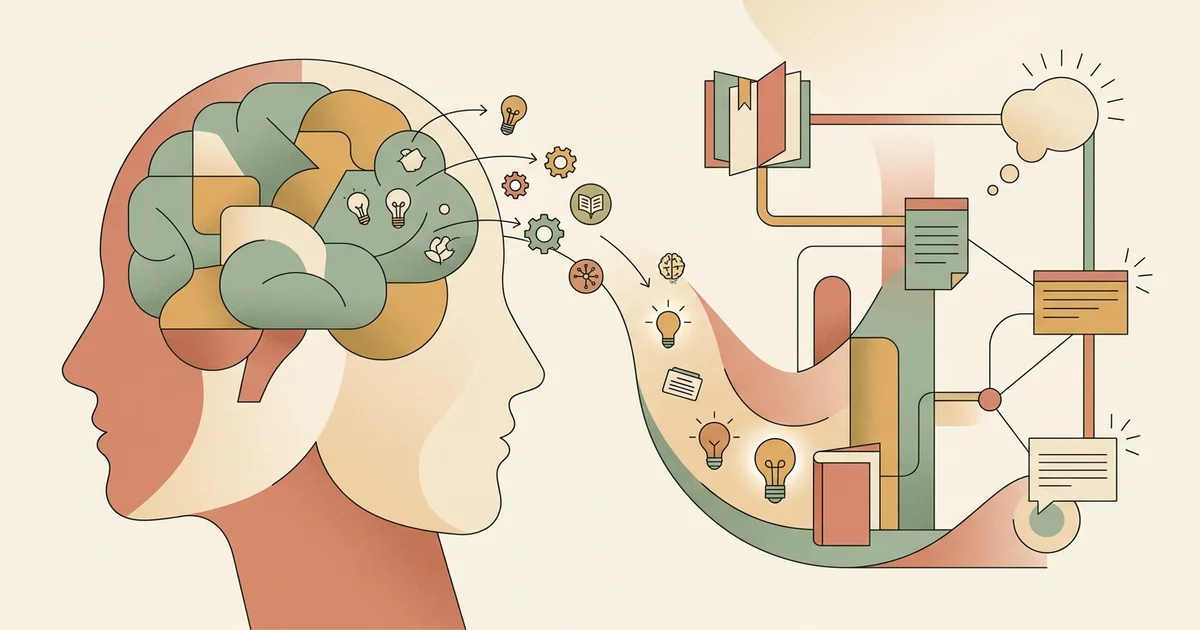
Here's what actually works: pulling information out of your brain, again and again, even when it feels hard. Researchers call it retrieval practice. You might know it as quizzing yourself. The science behind it is decades deep.

The Testing Effect Nobody Talks About

In 2006, Henry Roediger and Jeffrey Karpicke ran a simple experiment at Washington University. They gave students passages to study. Some students spent their time rereading. Others read once, then closed the book and wrote down everything they could remember.

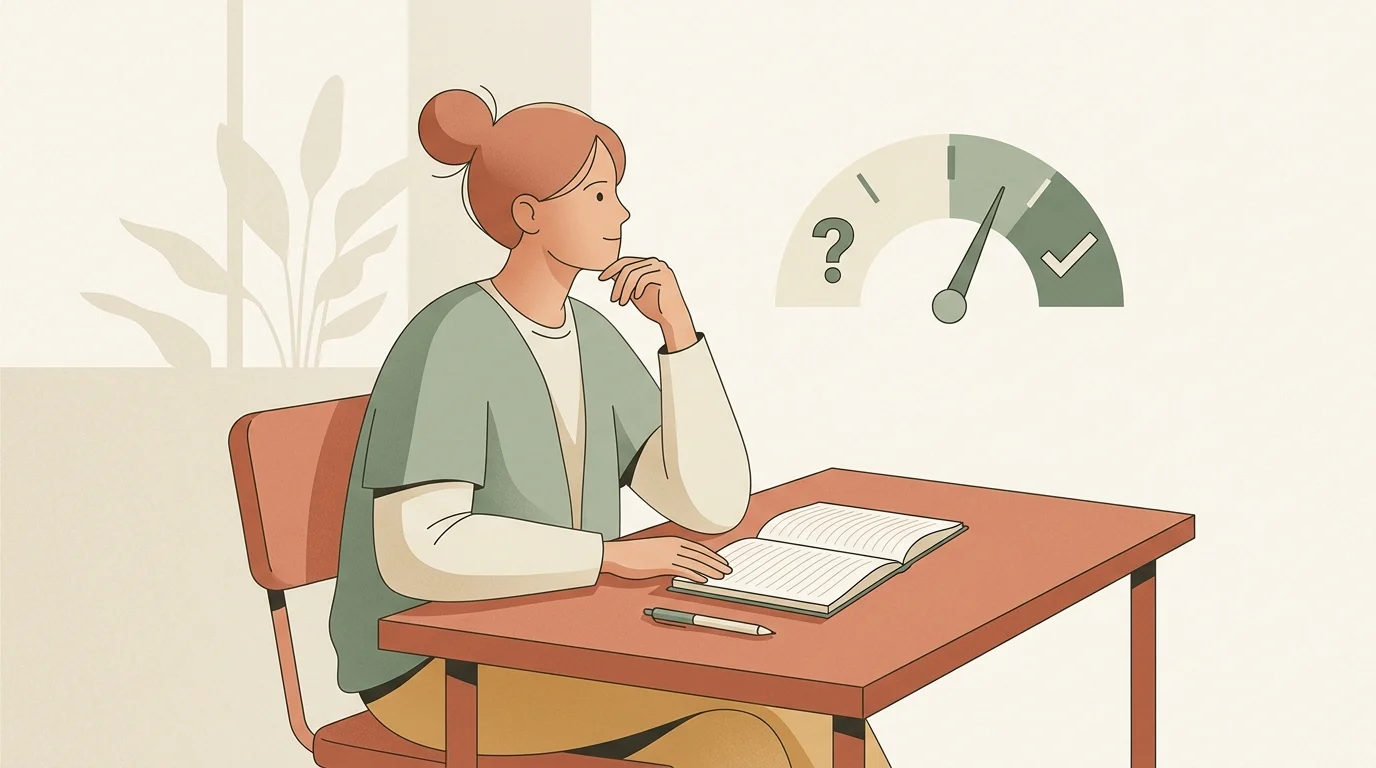
The rereaders felt more confident. They rated themselves as more prepared.

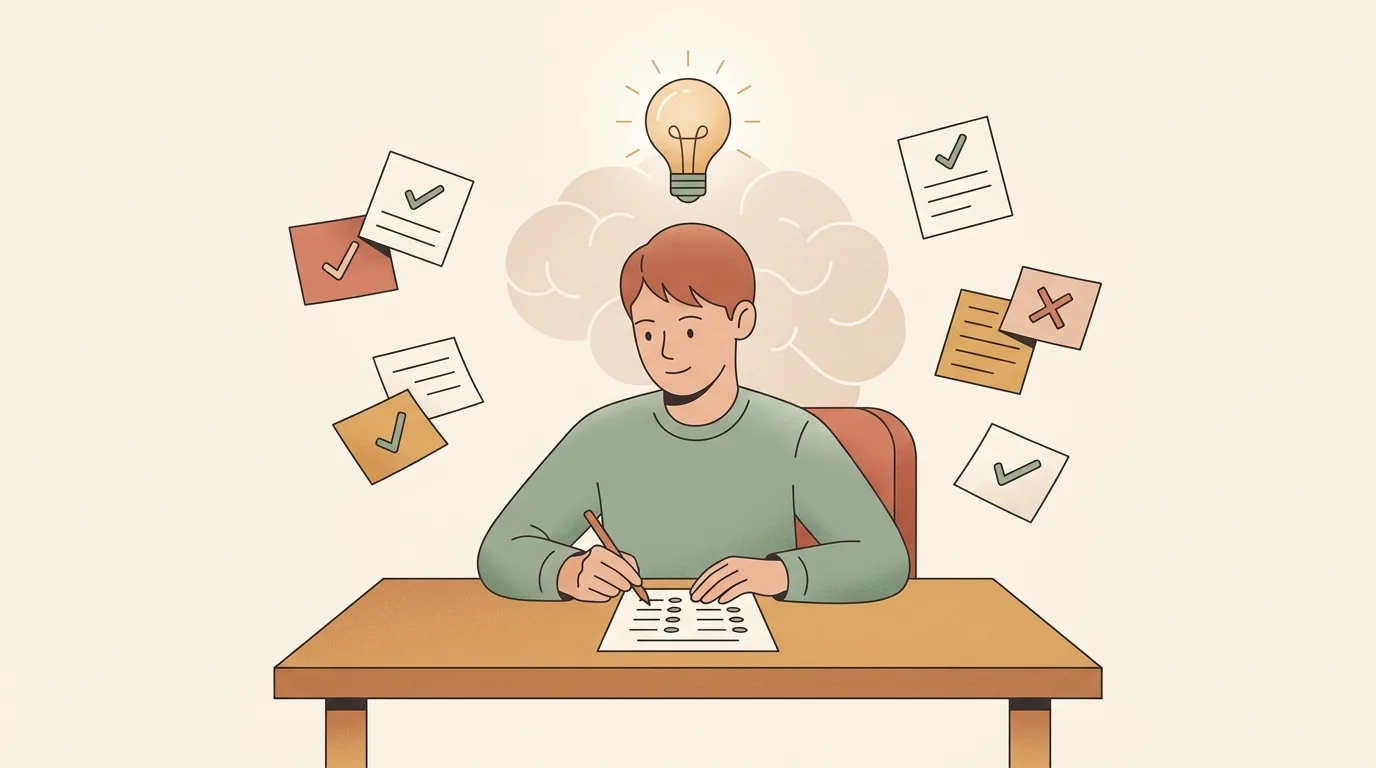
But when tested a week later, the self-testers crushed them. Students who practiced retrieval scored roughly 50% higher on retention tests. They hadn't just remembered more. They'd remembered better, longer, in ways that actually transferred to new contexts.

This finding has replicated across languages, ages, subjects, and testing formats. The effect holds when you quiz yourself on paper. It holds when you speak answers aloud to nobody. It even holds when you get answers wrong before correcting them.

Roediger and Karpicke published their work in Psychological Science. Other researchers found similar results. McDermott and Roediger (2014) demonstrated the testing effect persists even when initial retrieval attempts fail. Karpicke and Blunt (2011) showed that retrieval practice outperformed concept mapping, a technique many students consider the gold standard.

Why does this work?

The Desirable Difficulty

When you reread, your brain coasts. It recognizes the material. It feels familiar. But recognition isn't the same as recall, and familiarity isn't the same as learning.

Retrieval forces your brain to work. You hunt for the answer. You strain. Sometimes you fail. This struggle, what Bjork and Bjork (2011) call a "desirable difficulty," signals to your brain that this information matters enough to fight for. The act of retrieval strengthens the memory trace.

There's a physiological component here too. Retrieval practice increases hippocampal activity and strengthens neural connections. Each successful retrieval makes the next one easier, but the process itself stays effortful. That's the point.

The effort is the feature.

But here's the catch most articles skip. Students consistently overestimate how well rereading prepares them. They underestimate retrieval. This creates a strange loop: the techniques that feel productive often deliver the least, while the techniques that feel frustrating deliver the most.

This is why so many students avoid self-testing. It hurts. It reveals gaps. It produces anxiety instead of the warm glow of fluency. But that anxiety is a signal. It means your brain is working.

Why Highlighting Is Mostly Comfort

Let's be direct about this: passive review strategies are seductive and mostly ineffective for durable learning.

Highlighting creates the illusion of engagement. So does re-reading. So does copying notes verbatim. These strategies feel like studying. Your eyes move. Your hand writes. But your brain stays in cruise control.

Research keeps showing the same thing. Active retrieval outperforms every passive strategy I've seen tested. All the highlighting in the world won't prepare you for a test that asks you to apply concepts. You need to practice applying concepts. The only way to do that is to retrieve.

But I want to be honest with you. This doesn't mean you should never reread. Sometimes you need to build initial familiarity with material before you can retrieve it. Sometimes rereading helps you notice what you didn't understand. The problem is stopping there.

Think of rereading as the appetizer. Retrieval is the meal.

How to Use This

You don't need fancy tools or apps. You need a few simple habits.

1. Read once, then close the book.

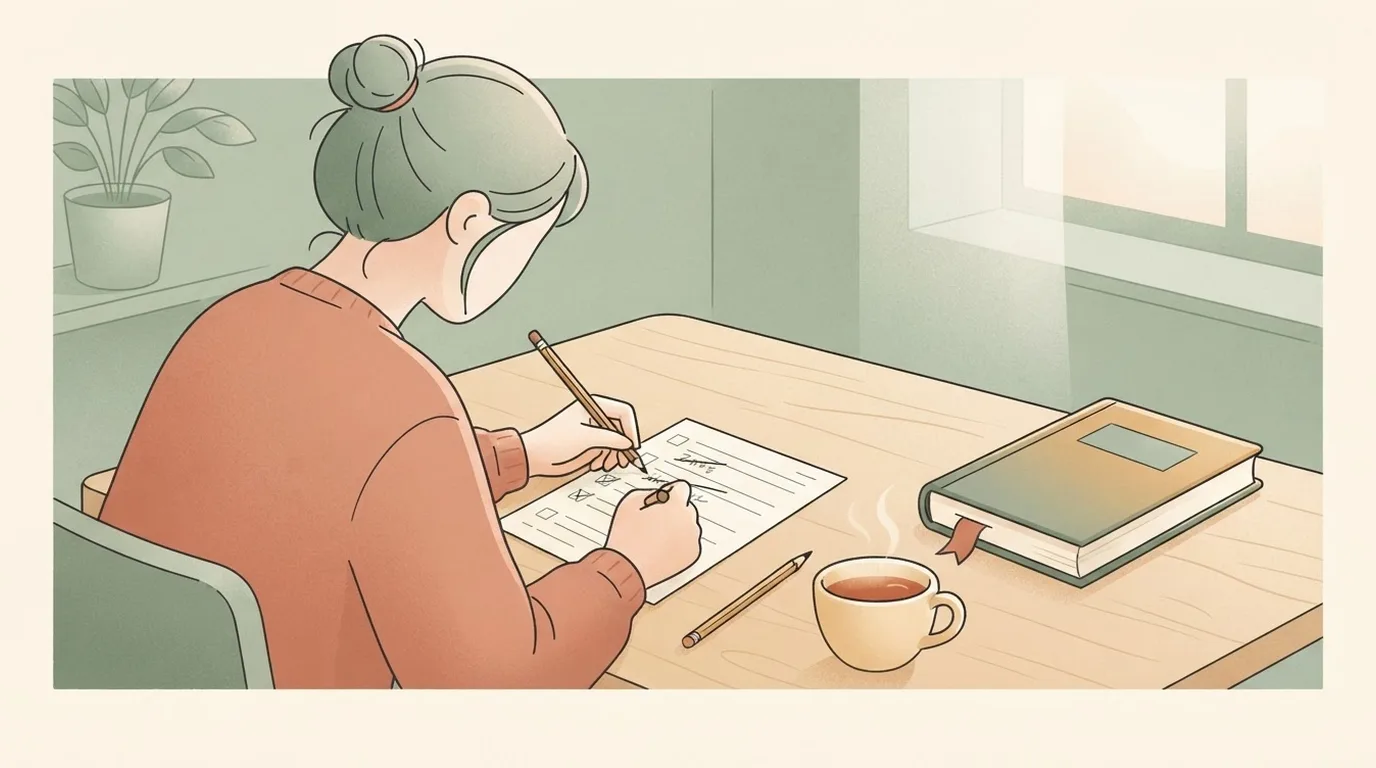
Don't reread. After your first pass through material, close it. Write down everything you can recall in your own words. When you're done, open the book and check what you missed. Focus your attention on those gaps.

2. Use free recall, not flashcards.

Flashcards have their place, but they often reduce learning to recognition. Write full responses. Explain concepts as if you're teaching someone. This forces you to construct knowledge, not just match it.

3. Space your retrieval sessions.

Don't cram all your practice into one session. Retrieval works best when you spread it out over time. Twenty minutes of retrieval practice across three days beats two hours of cramming the night before.

4. Embrace the struggle.

If retrieval feels easy, you're probably not retrieving deeply enough. Work from memory first. Only check your notes after you've genuinely tried. The difficulty is doing the work.

5. Quiz yourself before reviewing notes.

Most students take notes and then review them. Try reversing this. After class, write down everything you remember. Only then look at your notes to fill the holes. You'll see what you actually know.

The Gap Between Knowing and Doing

Here's the part that frustrates researchers. They keep finding that retrieval practice works. And students keep avoiding it.

Why? Because it feels bad. Because it's harder to track than page counts or highlighter streaks. Because immediate feedback is often negative, and humans avoid negative feedback.

But you're not most students. You're reading this because something about your current approach isn't working. Maybe you need to trust the discomfort. Maybe the answer that won't come easily is the one worth fighting for.

The next time you sit down to study, stop before you reach for your notes. Close the book. Write what you know.

What happens when you try?

Ready to try Piply?

Turn this article into your reality. Start studying faster today.

Try Piply for Free