Retrieval Practice and Knowledge Flexibility: Why Testing Yourself Builds Real Understanding
You've been there. You read a chapter, highlighted some passages, maybe flipped through your notes one more time before bed. You felt ready. Then the exam came and the questions looked nothing like you expected. You froze. The information was there somewhere, but you couldn't grab it.
Here's what's happening. Passive review feels productive because it requires almost no effort. Your eyes move across familiar text, your brain registers "yes, I've seen this," and you mistake that fluency for learning. But fluency is a liar.
Real learning, the kind that lets you explain a concept to a confused friend or apply it to a new problem, requires something harder. It requires you to pull knowledge out of your head without looking at the source.
That's retrieval practice. And it's one of the most well-supported findings in cognitive psychology.
The Testing Effect
In 2006, researchers Roediger and Karpicke ran a simple experiment. College students read a short text passage once. Then they divided into two groups. One group studied the passage again. The other group closed the book and tried to recall everything they could in writing.
After a short delay, the restudy group performed better. But after one week, something flipped. The students who had tested themselves remembered significantly more than those who had simply re-read the material.
Karpicke and Roediger extended this work in a 2008 study published in Science. They found that the testing effect grows stronger over time. The harder you work to retrieve something, the more that effort pays off days or weeks later.
This isn't intuitive. Most students assume that if they can't recall something immediately, they didn't learn it well enough. They re-read, they highlight, they skim. These strategies feel correct because they're comfortable. But comfort is not the point.
Why Retrieval Works
When you attempt to recall something, you're not just accessing stored information. You're reconstructing it. Your brain strengthens the pathways used during that act of recall. The mental effort is itself the mechanism of learning.
Think of it like physical exercise. If you watch someone lift weights, your muscles don't grow. You have to do the work. Retrieval practice is mental weightlifting.
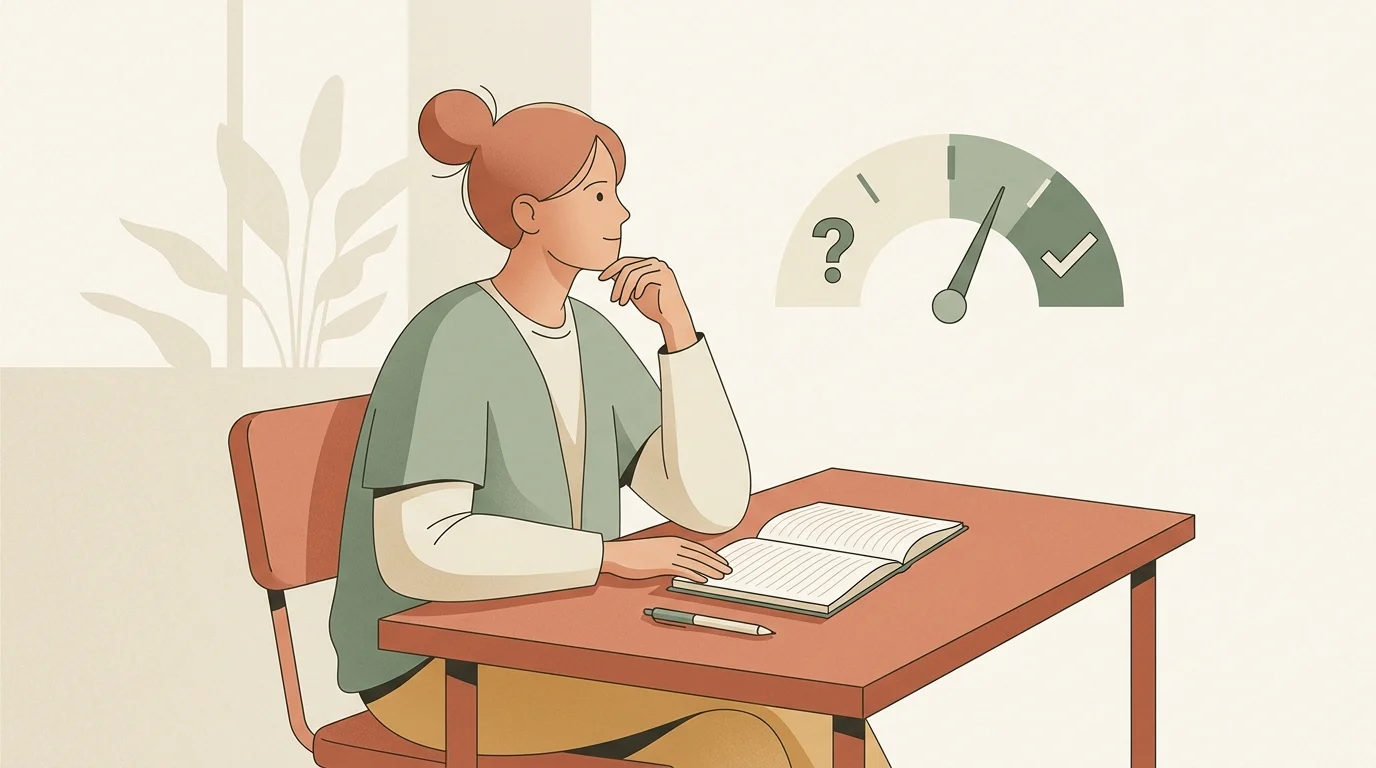
There's another benefit. When you can't retrieve something, you've identified a gap. That struggle signals your brain: this needs more work. The information gets flagged for deeper processing. Bjork and Bjork (2011) called these "desirable difficulties." The difficulty isn't a sign you're doing it wrong. It's a sign you're doing something right.
Testing also builds flexible knowledge. If you learn something through repeated retrieval, you're not just memorizing a single route to that information. You're building multiple pathways, strengthening the underlying conceptual network. That means you can access and apply what you know in new contexts, not just recognize it in familiar formats.
The Flexibility Problem
Here's where most study methods fall short. You can recognize the definition of natural selection when it's right in front of you. But can you explain it to someone who's never heard of Darwin? Can you apply the concept to understand antibiotic resistance?
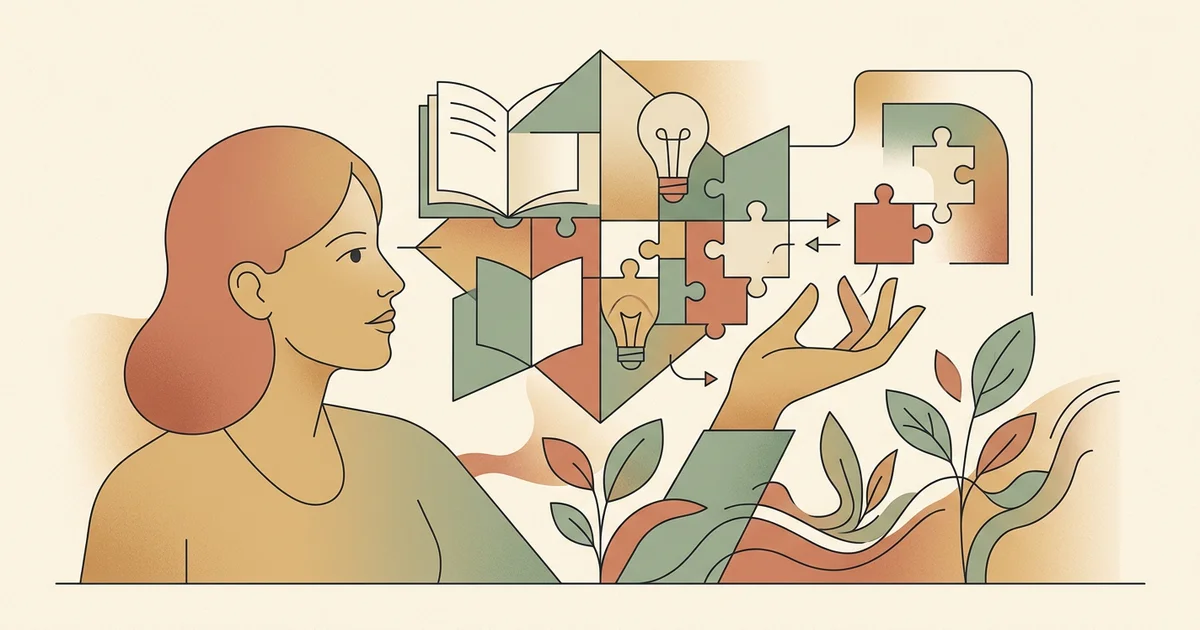
Retrieval practice builds this kind of understanding. When you practice explaining concepts from memory, you're forced to organize information, identify what matters, and express it in your own words. You're not just storing facts. You're building a coherent mental model.
That model is flexible because it's been constructed, not just absorbed. You can take it apart and reassemble it for different purposes.
How to Use This
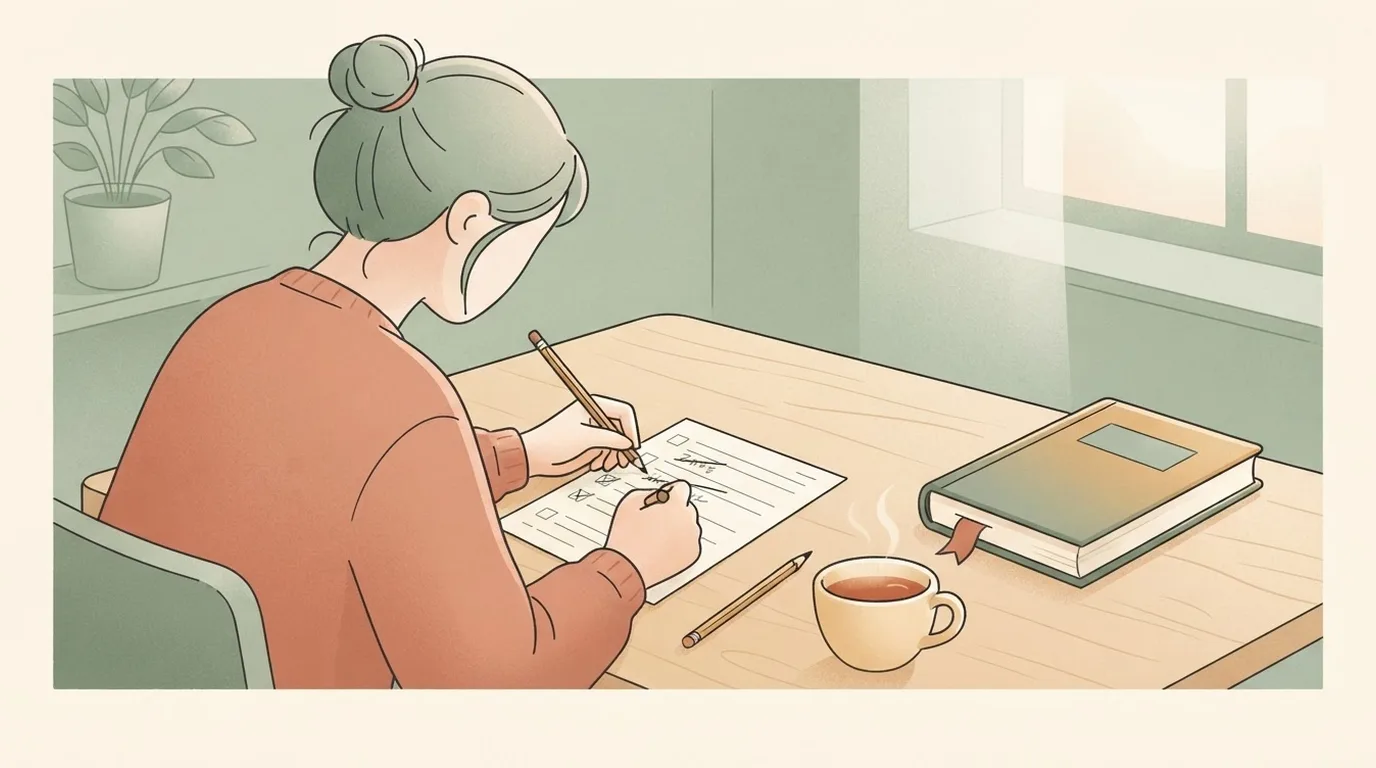
Try retrieval first, not last. Before you open your textbook or notes for a new section, close everything and write down everything you already know about the topic. This seems wrong. Why would you write about something you haven't learned yet? Because the attempt identifies what's already in your head and primes your brain to notice what's missing when you do read.
Make mistakes on purpose. When you test yourself and get something wrong, that's valuable data. The error signals a gap. The act of trying and failing, then seeing the correct answer, creates stronger memory traces than simply reading the material again.
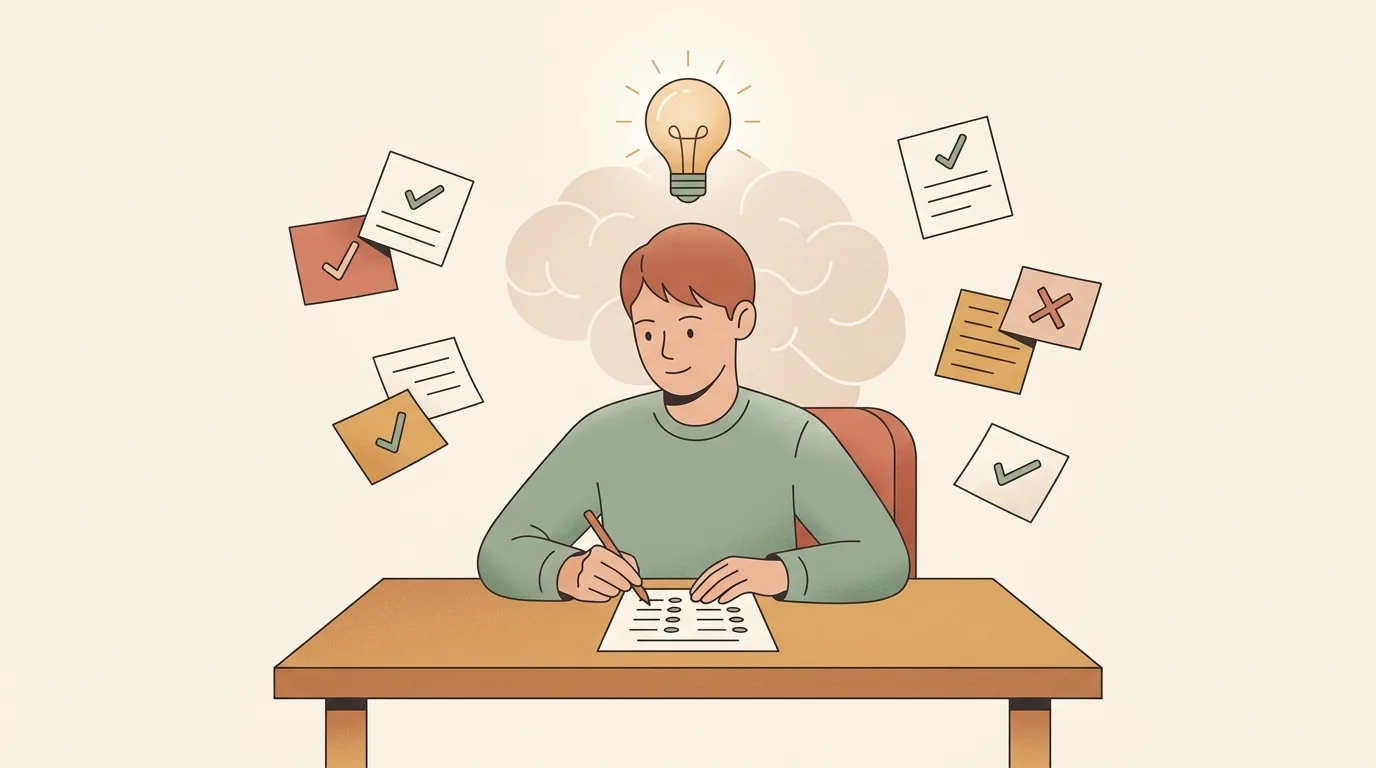
Write your own questions. Don't wait for quizzes. After reading a section, cover the text and generate questions you might be asked. Ask yourself to explain concepts in plain language, not just define terms. Connect ideas to things you already understand.
Use flashcards the hard way. Look at the prompt, try to recall the answer before flipping. If you just scan cards until the answer looks familiar, you're using recognition, not retrieval. Recognition is weak. Recall is strong.
Space your practice. Retrieval works better when it's distributed over time. A single round of testing is good. Returning to the same material a day later and testing again is dramatically better. Kornell and Bjork (2009) found that spacing boosts long-term retention even when it makes short-term performance feel harder.
What the Research Shows
The studies are consistent. Roediger and Karpicke (2006) demonstrated that repeated testing produced better long-term retention than repeated studying. Bjork and Bjork (2011) explained why difficulty is not an obstacle to learning, but rather a feature of it. Kornell and Bjork (2009) showed that spaced retrieval outpaces massed practice for durable memory.
These findings have been replicated across domains. Students who incorporate retrieval practice outperform those who rely on passive review, even when they spend the same amount of time studying.
Retrieval practice is not a trick or a hack. It's a fundamental mechanism of how memory works. When you pull something out of your mind, you're not just accessing it. You're changing it.
The Takeaway
Most of what students call studying is actually rereading. It feels productive. It rarely is.
Retrieval practice is uncomfortable. It makes you aware of everything you don't know. That discomfort is the point. The struggle is not wasted effort. It's the mechanism.
So before your next study session, close the book. Write down what you remember. Wrestle with the hard parts. Get things wrong. Then look, and try again.
The knowledge that sticks is the knowledge you worked for.
Ready to try Piply?
Turn this article into your reality. Start studying faster today.
Try Piply for Free