Piply Logo
Piply
study-tips

Why Rereading Feels Like Learning (And Actually Isn't)

Why Rereading Feels Like Learning (And Actually Isn't)

You sit down to study.

You open the chapter. You read it carefully.

You highlight key passages. You read the highlighted sections again. It clicks. You feel like you understand it.

Two weeks later, the exam comes. You sit down.

You read the first question. You recognize the topic. You open your mouth to answer and nothing comes out.

This isn't a mystery. It's a documented cognitive phenomenon with a name, years of research, and a straightforward fix.

It's called the Illusion of Competence.

Why Familiarity Is Not Understanding

Your brain is a pattern-recognition machine. When you encounter something you've already seen, a specific signal fires: this is known. The cognitive system registers it as low-effort, which your brain interprets as "already learned."

This is why rereading feels productive. The material flows.

You recognize terms. You follow the logic. But what you're experiencing isn't learning, it's fluency of exposure.

The psychologist Nate Kornell calls this "rerereading illusion." You read something once, it feels vaguely familiar. You read it again, it feels even more familiar.

Your brain mistakes that familiarity for mastery.

The key word: mistakes.

The Difference Between Recognition and Retrieval

There're two ways your brain accesses information: recognition and retrieval.

Recognition is what happens when you see something and think "I know this." Recognition requires context, the thing you learned has to be present in front of you for your brain to trigger that signal.

Retrieval is what happens when you access information without any prompts. You pull it from memory. You generate it yourself.

The difference matters enormously for how well you remember something.

When you reread a chapter, you're exercising recognition. The text is right there. Your brain recognizes the content and gives you a false signal of mastery.

When you practice retrieval, testing yourself, explaining without looking, writing from memory, you're exercising the actual skill you need on exam day.

The exam doesn't give you a highlighted textbook to scan. It asks you questions.

Retrieval practice trains you for that.

This is why Roediger and Karpicke (2011) found that students who spent time testing themselves remembered substantially more than students who spent equivalent time rereading. The testing group was doing retrieval practice. The rereading group was doing recognition fluency.

The Highlighting Trap

Highlighting is one of the most widespread study habits and one of the least effective.

When you highlight, you're marking information you already recognize. You aren't testing yourself. You aren't retrieving. You're identifying, in the moment, what seemed important. But the act of marking a passage requires almost no cognitive effort, so it registers as easy. Easy feels like progress.

Then you go back to the highlighted passages and read them again.

Recognition fires. You feel good.

You close the book.

What you've not done is retrieve anything. You've not pulled the concept from memory.

You've not reconstructed the argument without the text in front of you. You've simply re-exposed yourself to information you already recognized.

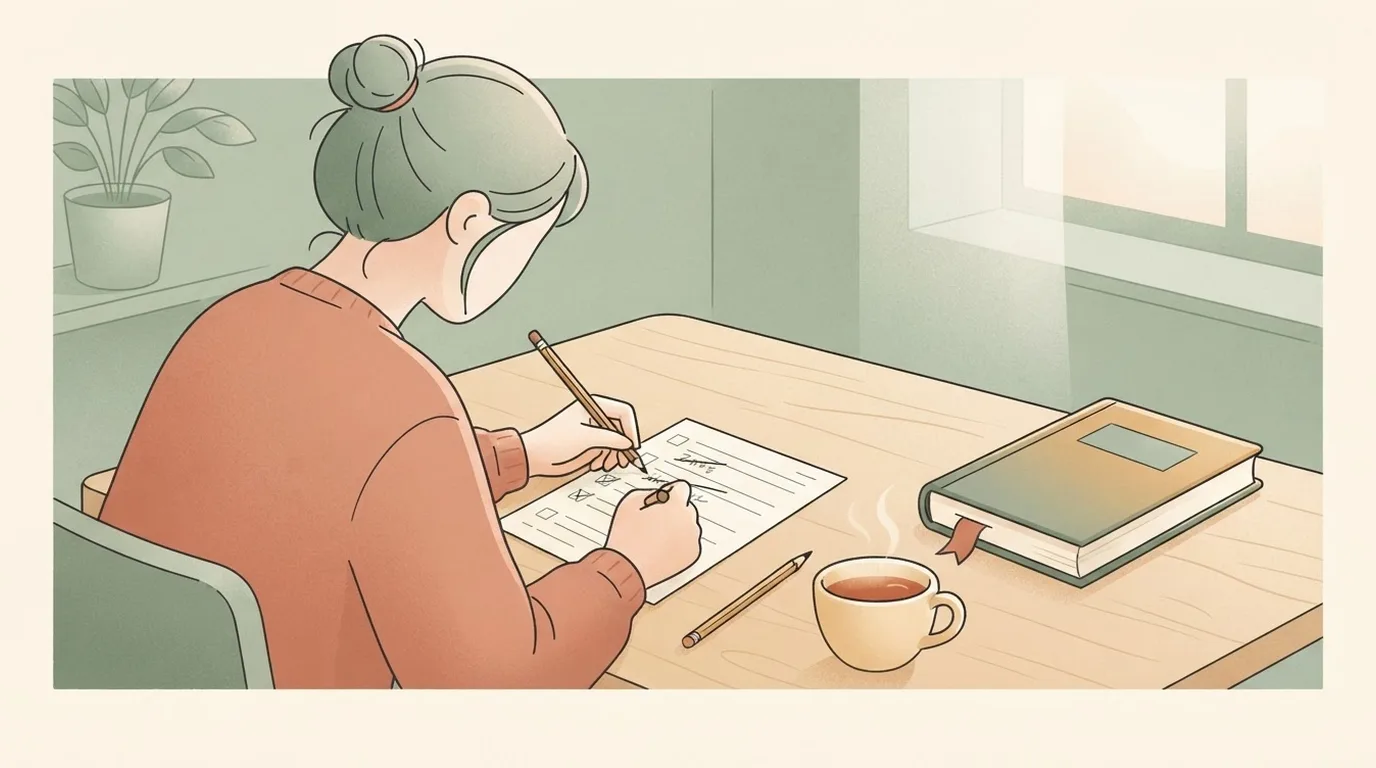
The fix is simple but feels wrong: instead of rereading highlights, close the book and write everything you remember about that section. Then open the book and check what you got right. That gap, the discomfort of not knowing, is where the actual learning happens.

Cognitive psychologists call this "desirable difficulty." The effort of retrieval, combined with the feedback of checking against the source, produces durable memory. The ease of rereading produces the illusion of competence.

Why Desirable Difficulty Works

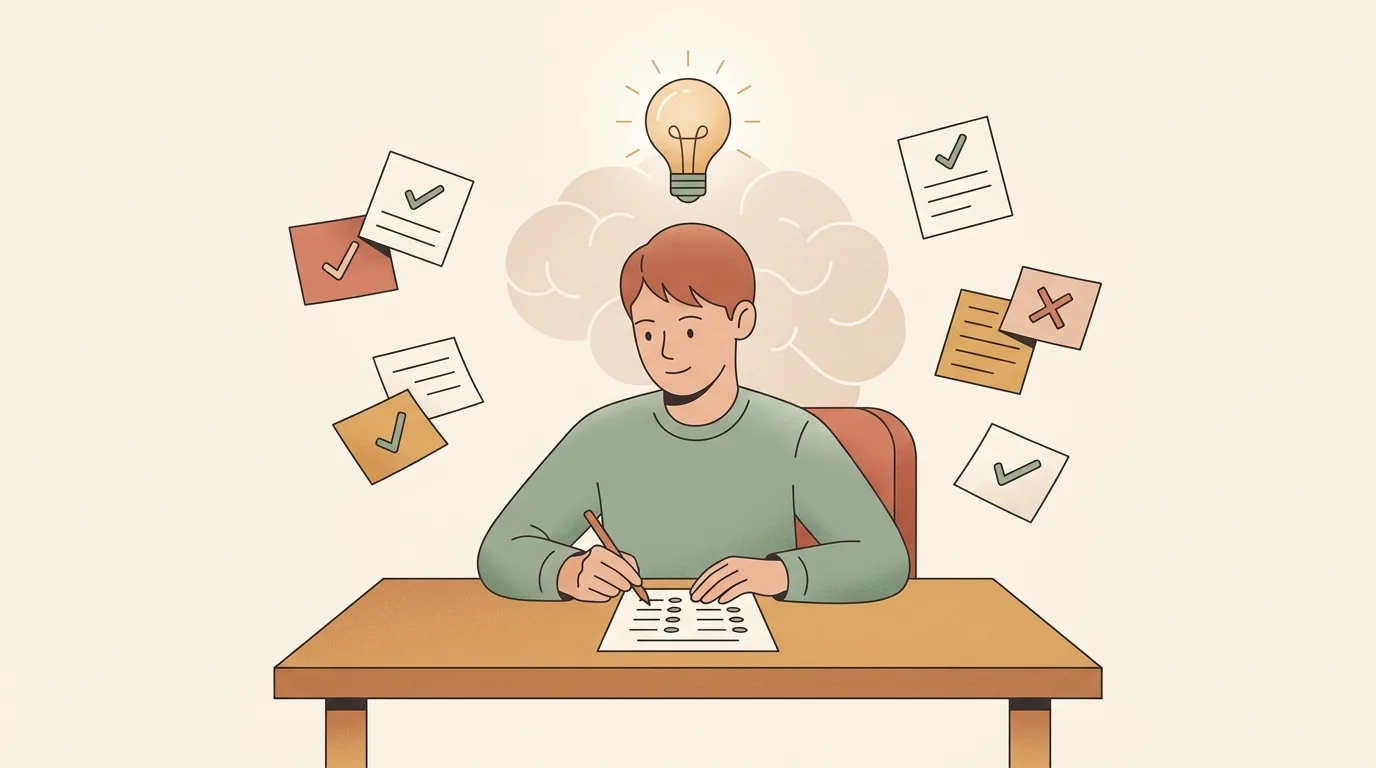
Every time you successfully retrieve something from memory, you strengthen the memory trace. The act of retrieval itself is what encodes the information more deeply. The struggle isn't a sign that you should give up and look at the book, it's the mechanism by which learning happens.

This runs counter to how most students approach studying. Most students want to reduce difficulty.

They want it to feel easy. They want to reduce anxiety about the material by re-exposing themselves until it feels familiar.

But familiarity and mastery aren't the same thing. And the more familiar something feels, the less likely you're to recognize that you still don't know it.

The One Question That Fixes This

Next time you finish a section, close everything and ask yourself one question:

What would I say if someone asked me to explain this in two minutes without looking?

Don't just think about it. Actually say it out loud, or write it down.

No peeking. Then go back and check what you missed.

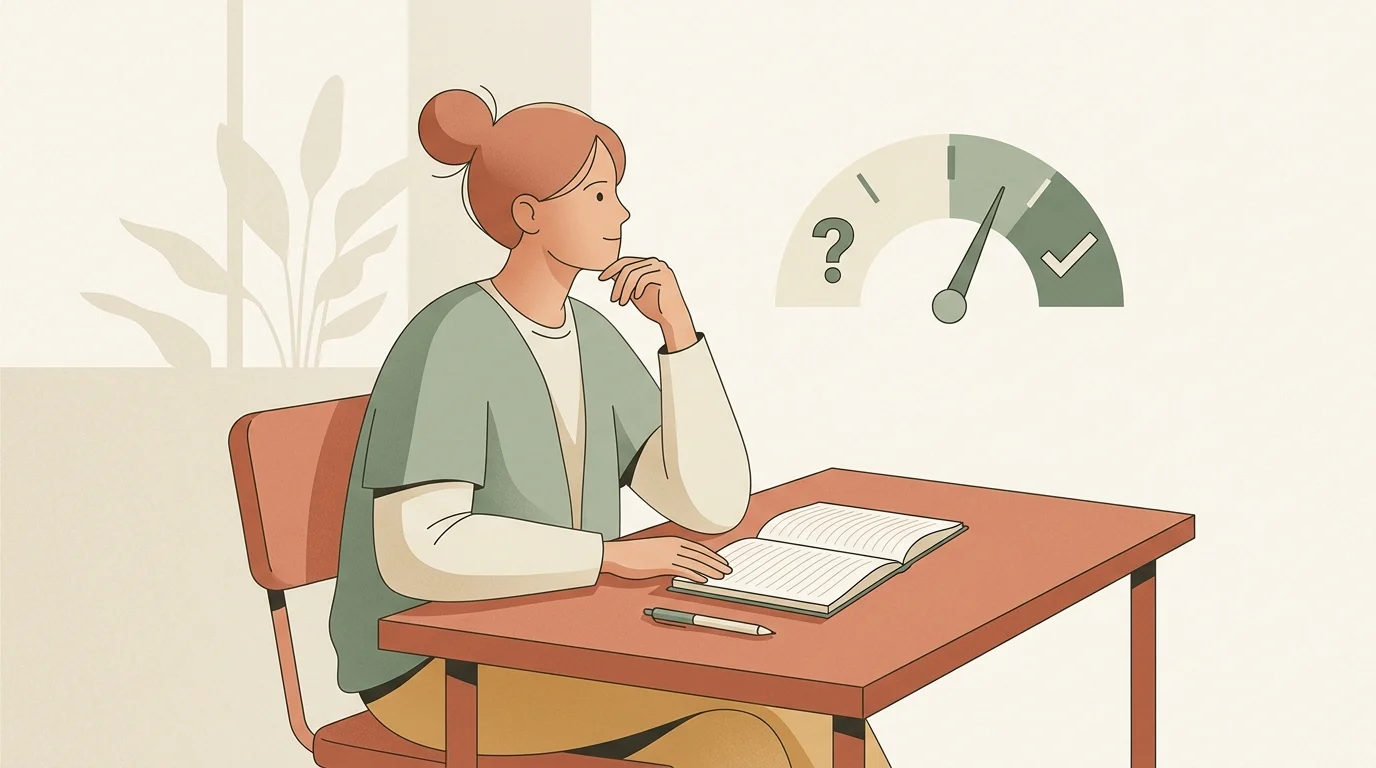
That gap, what you could and couldn't recall, is a precise map of what you actually know versus what just feels familiar.

You'll probably be surprised by how much falls into the "felt familiar, can't actually explain" category.

That surprise is the moment real learning starts.


Want a system that makes retrieval practice automatic? Piply generates flashcards from your documents and schedules them for you, so the effort is built in, not manual. Try it at app.piply.ai

Ready to try Piply?

Turn this article into your reality. Start studying faster today.

Try Piply for Free